1. Specifications Comparison
| Feature | Tecno Spark 10 Pro | Xiaomi Poco F6 Pro | Practical Impact |
|---|---|---|---|
| Design | |||
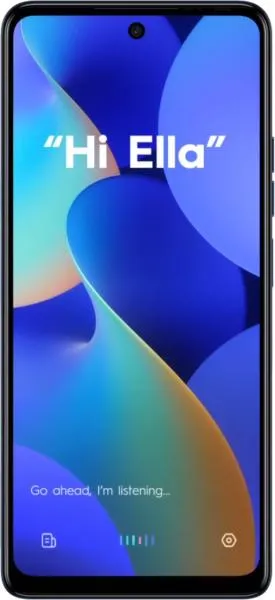
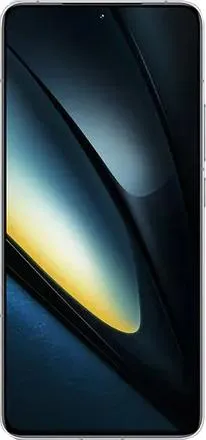
| Dimensions (mm) | 168.4 x 76.2 x 8.4 | 160.9 x 75 x 8.2 | Poco F6 Pro is slightly smaller and may feel more comfortable in hand. |
| Weight (g) | 208 | 209 | Negligible weight difference. |
| Build | Not specified | Not specified | Build quality and materials unknown, limiting comparison. |
| Display | |||
| Display Type | IPS LCD, 90Hz | AMOLED, 120Hz | Poco F6 Pro offers superior contrast, deeper blacks, and smoother scrolling due to AMOLED technology and higher refresh rate. |
| Size (inches) | 6.8 | 6.67 | Tecno offers a slightly larger screen, but the difference is minimal. |
| Resolution | 1080 x 2460 | 1440 x 3200 | Poco F6 Pro boasts significantly sharper visuals due to higher resolution. |
| Brightness | Not specified | Up to 4000 nits peak | Poco F6 Pro's much higher peak brightness ensures better visibility in sunlight. Missing peak brightness for Spark 10 Pro limits comparison. |
| HDR | No | HDR10+, Dolby Vision | Poco F6 Pro supports HDR content for a wider dynamic range and richer colors in compatible media. |
| Performance | |||
| Chipset | Mediatek Helio G88 (12nm) | Snapdragon 8 Gen 2 (4nm) | Poco F6 Pro offers vastly superior performance and efficiency due to a flagship-level processor. |
| CPU | Octa-core (2x2.0 GHz A75 & 6x1.8 GHz A55) | Octa-core (1x3.2 GHz X3 & 2x2.8 GHz A715 & 2x2.8 GHz A710 & 3x2.0 GHz A510) | Poco F6 Pro's CPU architecture provides significantly faster processing speeds for demanding tasks and multitasking. |
| GPU | Mali-G52 MC2 | Adreno 740 | Poco F6 Pro's GPU provides a substantial leap in graphics performance for gaming and visually intensive applications. |
| RAM | 8GB | 12GB/16GB | Poco F6 Pro offers more RAM, enabling smoother multitasking and better handling of demanding apps. |
| Camera | |||
| Main Camera | 50MP | 50MP (Omnivision OV50E) with OIS | Sensor details for Spark 10 Pro are limited. Poco F6 Pro benefits from Optical Image Stabilization (OIS) for steadier shots and videos. |
| Video Recording | 1440p@30fps | 8K@24fps | Poco F6 Pro offers much higher resolution video recording capabilities. |
| Battery | |||
| Capacity | 5000 mAh | 5000 mAh | Similar battery capacity. |
| Fast Charging | 18W | 120W | Poco F6 Pro offers significantly faster charging speeds, drastically reducing downtime. |
2. Key Differences Analysis
Tecno Spark 10 Pro Advantages:
- Slightly larger display: Offers marginally more screen real estate.
Xiaomi Poco F6 Pro Advantages:
- Significantly faster performance: Snapdragon 8 Gen 2 provides a substantial performance advantage for demanding tasks and gaming.
- Superior display: AMOLED technology with 120Hz refresh rate delivers vibrant colors, deeper blacks, and smoother scrolling.
- Sharper visuals: Higher resolution screen provides greater clarity and detail.
- Faster charging: 120W fast charging drastically reduces charging time.
- Better camera features: OIS enables steadier shots and videos, and 8K video recording offers higher resolution.
Trade-offs:
- Price: The Poco F6 Pro is significantly more expensive.
3. User Profiles & Recommendations
Tecno Spark 10 Pro: Budget-conscious users who prioritize basic smartphone functionality for everyday tasks like calling, texting, and social media browsing.
Xiaomi Poco F6 Pro: Users who demand top-tier performance for gaming, content creation, and multitasking, and value a premium display and fast charging. Power users, mobile photographers, and videographers would benefit from the F6 Pro's capabilities.
4. Decision Framework
Key Questions for Buyers:
- What is your budget? The Spark 10 Pro is a budget-friendly option, while the Poco F6 Pro is a premium device.
- What are your primary use cases? Basic tasks vs. demanding applications and multimedia consumption.
- How important are display quality and performance? The Poco F6 Pro significantly outperforms the Spark 10 Pro in these areas.
My Choice: Xiaomi Poco F6 Pro
While the Tecno Spark 10 Pro offers decent value for its price, the Xiaomi Poco F6 Pro is the clear winner for me. The superior performance, stunning AMOLED display with 120Hz, incredibly fast charging, and advanced camera features make it a much more compelling device. While the price difference is substantial, the Poco F6 Pro offers a significant upgrade in almost every aspect of the user experience. The Snapdragon 8 Gen 2 future-proofs the device for demanding applications and ensures smooth performance for years to come. The investment in the Poco F6 Pro would provide a noticeable and lasting improvement in my daily smartphone usage.
