1. Specifications Comparison
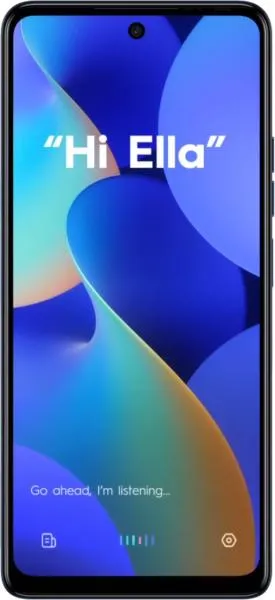
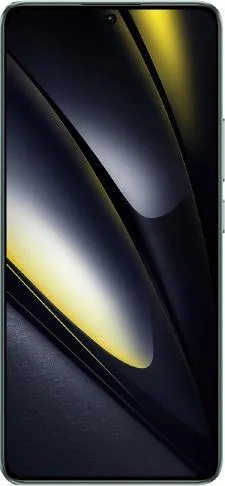
| Feature | Tecno Spark 10 Pro | Xiaomi Poco F6 | Practical Impact |
|---|---|---|---|
| Design | |||
| Dimensions (mm) | 168.4 x 76.2 x 8.4 | 160.5 x 74.5 x 8 | Poco F6 is slightly smaller and more compact. |
| Weight (g) | 208 | 179 | Poco F6 is noticeably lighter, improving one-handed use. |
| Build Material | Not specified | Not specified | Cannot compare build quality and durability. |
| Display | |||
| Display Type | IPS LCD | AMOLED | Poco F6 offers superior contrast, deeper blacks, and potentially better outdoor visibility. |
| Display Size (inches) | 6.8 | 6.67 | Negligible size difference. |
| Resolution | 1080 x 2460 | 1220 x 2712 | Poco F6 has a sharper display with higher pixel density (446 ppi vs 396 ppi). |
| Refresh Rate (Hz) | 90 | 120 | Poco F6 provides smoother scrolling and animations. |
| HDR | No | HDR10+, Dolby Vision | Poco F6 supports HDR content for a wider dynamic range and richer colors in compatible media. |
| Performance | |||
| Chipset | Mediatek Helio G88 (12nm) | Snapdragon 8s Gen 3 (4nm) | Poco F6 boasts significantly faster processing power and better efficiency due to a more advanced chipset. |
| CPU | Octa-core (2x2.0 GHz A75 & 6x1.8 GHz A55) | Octa-core (1x3.0 GHz X4 & 4x2.8 GHz A720 & 3x2.0 GHz A520) | Poco F6 has a more powerful CPU architecture, leading to significantly improved performance in demanding tasks and multitasking. |
| GPU | Mali-G52 MC2 | Adreno 735 | Poco F6 offers considerably better graphics performance for gaming and visually intensive applications. |
| RAM (GB) | 8 | 8/12 | Poco F6 offers a 12GB RAM option for even smoother multitasking. |
| Camera | |||
| Main Camera (MP) | 50 | 50 | Similar resolution, but sensor quality and other features impact overall performance. Poco F6 uses a Sony IMX882 sensor known for good performance. |
| Ultrawide (MP) | Not specified | 8 | Poco F6 offers an ultrawide lens for broader perspective shots. |
| Selfie Camera (MP) | 32 | 20 | Tecno Spark has a higher resolution selfie camera. |
| Video Recording | 1440p@30fps | 4K@60fps with EIS | Poco F6 offers superior video recording capabilities with higher resolution and Electronic Image Stabilization (EIS) for smoother footage. |
| Battery | |||
| Capacity (mAh) | 5000 | 5000 | Similar battery capacity. |
| Fast Charging | 18W | 90W | Poco F6 offers significantly faster charging, minimizing downtime. |
2. Key Differences Analysis
Tecno Spark 10 Pro Advantages:
- Lower Price: Expected to be more affordable.
- Higher Resolution Selfie Camera: Potentially better for selfie enthusiasts.
Xiaomi Poco F6 Advantages:
- Superior Performance: Significantly faster processor and graphics for demanding tasks and gaming.
- Better Display: AMOLED with HDR support, higher resolution, and faster refresh rate for a more vibrant and smoother visual experience.
- Faster Charging: 90W fast charging dramatically reduces charging time.
- More Advanced Camera System: Higher quality sensors, ultrawide lens, and better video recording capabilities. Optical Image Stabilization (OIS) is present, providing smoother videos and better low-light photos.
3. User Profiles & Recommendations
Tecno Spark 10 Pro: Budget-conscious users who prioritize basic functionality, casual social media use, and a decent selfie camera.
Xiaomi Poco F6: Users who demand high performance for gaming, content creation, multitasking, and appreciate a premium display and fast charging.
4. Decision Framework
Key Questions for Buyers:
- What is your budget? The Poco F6 is significantly more expensive.
- What are your primary use cases? Gaming, photography/videography, or basic everyday tasks?
- How important is display quality and performance?
My Choice: Xiaomi Poco F6
While the Tecno Spark 10 Pro offers a budget-friendly option, the Xiaomi Poco F6 provides a significantly better overall user experience due to its vastly superior performance, stunning AMOLED display, and incredibly fast charging. The improved camera system with OIS and the inclusion of an ultrawide lens further solidify its position as the better choice for most users willing to invest a bit more. The performance difference between the Helio G88 and the Snapdragon 8s Gen 3 is substantial and will be noticeable in everyday use. The faster refresh rate and AMOLED display on the Poco F6 are also major advantages for a more enjoyable user experience.
