1. Specifications Comparison
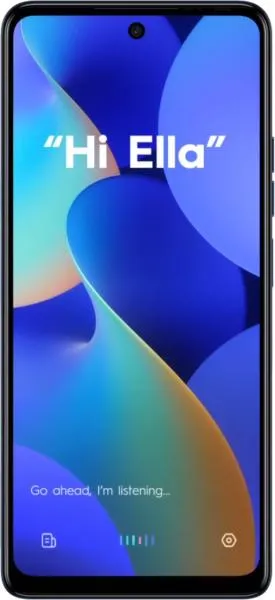
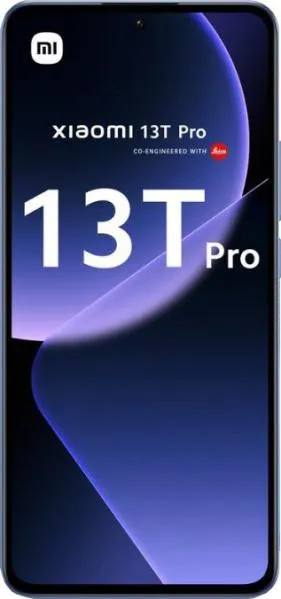
| Feature | Tecno Spark 10 Pro | Xiaomi 13T Pro | Practical Impact |
|---|---|---|---|
| Design | |||
| Dimensions (mm) | 168.4 x 76.2 x 8.4 | 162.2 x 75.7 x 8.5 | Xiaomi 13T Pro is slightly smaller and may feel more comfortable in hand. |
| Weight (g) | 208 | 200 | Negligible weight difference. |
| Build | Not specified | Not specified | Build quality and materials cannot be compared without more information. |
| Display | |||
| Display Type | IPS LCD, 90Hz | AMOLED, 144Hz | Xiaomi's AMOLED offers significantly better contrast, deeper blacks, and more vibrant colors. The much higher refresh rate provides smoother animations and scrolling. |
| Size (inches) | 6.8 | 6.67 | Tecno offers slightly larger screen real estate. |
| Resolution | 1080 x 2460 | 1220 x 2712 | Xiaomi has a sharper display with higher pixel density (446 ppi vs 396 ppi). |
| HDR | No | HDR10+, Dolby Vision | Xiaomi supports HDR content for a superior viewing experience with compatible media. |
| Peak Brightness | Not specified | 2600 nits | Xiaomi's much higher peak brightness ensures better visibility in direct sunlight. The lack of this specification for the Tecno makes a direct comparison impossible. |
| Performance | |||
| Chipset | Mediatek Helio G88 (12nm) | Mediatek Dimensity 9200+ (4nm) | Xiaomi's significantly more powerful and efficient processor enables much better performance in demanding tasks and gaming, as well as potentially better battery life. |
| CPU | Octa-core (2x2.0 GHz A75 & 6x1.8 GHz A55) | Octa-core (1x3.35 GHz X3 & 3x3.0 GHz A715 & 4x2.0 GHz A510) | Xiaomi's CPU features a more powerful core architecture for significantly improved performance. |
| GPU | Mali-G52 MC2 | Immortalis-G715 MC11 | Xiaomi's GPU offers dramatically better graphics performance for gaming and other visually demanding applications. |
| RAM | 8GB | 12GB/16GB | Xiaomi offers significantly more RAM, enabling smoother multitasking and better performance with memory-intensive applications. |
| Camera | |||
| Main Camera | 50MP | 50MP (Sony IMX707) | While both have the same resolution, the Xiaomi utilizes a superior sensor (Sony IMX707) likely resulting in better image quality, especially in low light. |
| Other Cameras | 2MP Depth, 0.3MP unspecified | 50MP Telephoto, 13MP Wide Angle | Xiaomi offers more versatile camera options with telephoto and wide-angle lenses. |
| Video Recording | 1440p@30fps | 8K@24fps | Xiaomi allows for much higher resolution video recording. |
| Battery | |||
| Capacity | 5000 mAh | 5000 mAh | Similar battery capacity. |
| Fast Charging | 18W | 120W | Xiaomi offers significantly faster charging, drastically reducing downtime. |
2. Key Differences Analysis
Xiaomi 13T Pro Advantages:
- Significantly superior performance: The Dimensity 9200+ chipset, more RAM, and a powerful GPU provide a vastly better experience for gaming, multitasking, and demanding applications.
- Much better display: The AMOLED panel with 144Hz refresh rate, HDR support, and higher brightness delivers vibrant colors, deep blacks, smooth visuals, and excellent outdoor visibility.
- Faster Charging: 120W fast charging significantly reduces charging time.
- More versatile camera system: Telephoto and wide-angle lenses provide greater creative flexibility. Superior main sensor likely results in better image quality.
- Better Connectivity: Supports newer WiFi standards (WiFi 7) and Bluetooth 5.4.
Tecno Spark 10 Pro Advantages:
- Slightly larger display: Offers marginally more screen real estate.
- Lower price: Significantly more affordable.
3. User Profiles & Recommendations
Tecno Spark 10 Pro: Budget-conscious users who prioritize basic functionality for everyday tasks like calling, messaging, social media, and light web browsing.
Xiaomi 13T Pro: Users who demand high performance for gaming, content creation, multitasking, and appreciate a premium display and camera system.
4. Decision Framework
Key Questions:
- What is your budget? The Tecno is significantly more affordable.
- What are your primary use cases? Basic tasks vs. demanding applications and gaming.
- How important is display and camera quality? The Xiaomi offers a superior experience in both areas.
My Choice: Xiaomi 13T Pro
While significantly more expensive, the Xiaomi 13T Pro offers a vastly superior user experience in almost every aspect. The performance difference is substantial, and the display and camera quality are significantly better. The faster charging is a huge convenience. For me, these improvements justify the higher price. The Tecno Spark 10 Pro is a viable option only for extremely budget-constrained users who are willing to compromise significantly on performance and features.
