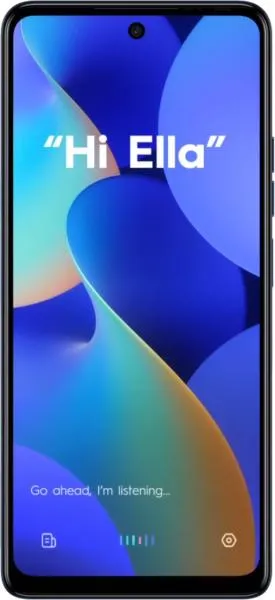
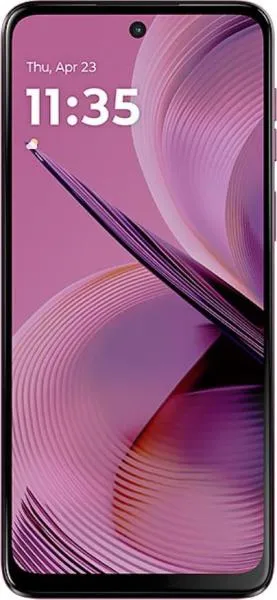
1. Specifications Comparison
| Feature | Tecno Spark 10 Pro | Motorola Moto G55 | Practical Impact |
|---|---|---|---|
| Design | |||
| Dimensions (mm) | 168.4 x 76.2 x 8.4 | 161.6 x 73.8 x 8.1 | Moto G55 is slightly smaller and may feel more comfortable in hand. |
| Weight (g) | 208 | 179 | Moto G55 is noticeably lighter, reducing hand fatigue during extended use. |
| Display | |||
| Size (inches) | 6.8 | 6.49 | Spark 10 Pro offers a larger screen for more immersive media consumption. |
| Resolution (px) | 1080 x 2460 | 1080 x 2400 | Negligible difference in sharpness. |
| Refresh Rate (Hz) | 90 | 120 | Moto G55's 120Hz display provides smoother scrolling and animations. |
| Display Type | IPS LCD | IPS LCD | Both use IPS LCD technology, offering good color reproduction and viewing angles. |
| Performance | |||
| Chipset | Mediatek Helio G88 (12nm) | Mediatek Dimensity 7025 (6nm) | Moto G55's 6nm chipset offers significantly better performance and power efficiency. |
| CPU | Octa-core (2x2.0 GHz Cortex-A75 & 6x1.8 GHz Cortex-A55) | Octa-core (2x2.5 GHz Cortex-A78 & 6x2.0 GHz Cortex-A55) | Moto G55 has more powerful CPU cores, resulting in faster app loading and multitasking. |
| GPU | Mali-G52 MC2 | IMG BXM-8-256 | Moto G55 likely has a more powerful GPU, leading to better gaming performance, though specific benchmarks are needed for confirmation. |
| RAM (GB) | 8 | 8 | Both offer ample RAM for smooth multitasking. |
| OS | Android 13 | Android 14 | Moto G55 comes with a newer Android version, offering potential feature and security advantages. |
| Camera | |||
| Main Camera (MP) | 50 | 50 | Similar resolution, but image quality depends on sensor size and processing (unspecified for both). |
| Selfie Camera (MP) | 32 | 16 | Spark 10 Pro has a higher resolution selfie camera. |
| Video Recording | 1440p@30fps | 1080p@60fps | Spark 10 Pro can record at a higher resolution, while Moto G55 offers smoother 60fps recording at 1080p. |
| Battery | |||
| Capacity (mAh) | 5000 | 5000 | Both have large batteries, likely providing all-day battery life. |
| Fast Charging (W) | 18 | 30 | Moto G55 supports significantly faster charging. |
2. Key Differences Analysis
Motorola Moto G55 Advantages:
- Significantly faster performance: Due to a more powerful and efficient chipset (Dimensity 7025 built on a 6nm process).
- Smoother display: 120Hz refresh rate provides a more fluid user experience.
- Faster charging: 30W fast charging significantly reduces downtime.
- Newer Android version: Android 14 offers the latest features and security updates.
- More advanced Bluetooth features: aptX, LDAC, and AAC support enhances wireless audio quality.
- Improved Connectivity: Supports 5G network and wider range of GPS technologies.
Tecno Spark 10 Pro Advantages:
- Larger display: Offers a more immersive experience for media consumption.
- Higher resolution selfie camera: Potentially better for video calls and self-portraits.
- Higher resolution video recording: Captures more detail in videos, though limited to 30fps.
- Lower Price: Offers a potentially significantly lower price for budget-conscious buyers.
Trade-offs:
- Performance vs. Price: Spark 10 Pro compromises performance for affordability.
- Display Smoothness vs. Size: Moto G55 prioritizes smoothness with a 120Hz refresh rate, while Spark 10 Pro offers a larger display.
3. User Profiles & Recommendations
Tecno Spark 10 Pro: Ideal for budget-conscious users who prioritize a large display for media consumption and casual gaming. Suitable for users who don't require top-tier performance or the latest features.
Motorola Moto G55: Ideal for users who value smooth performance, fast charging, and a more up-to-date software experience. Suitable for gamers, multi-taskers, and those who demand a responsive phone.
4. Decision Framework
Key Questions for Buyers:
- What is your budget? The Spark 10 Pro is significantly more affordable.
- What is your priority: performance or display size? Moto G55 excels in performance, while Spark 10 Pro offers a larger screen.
- How important is having the latest features and software updates? Moto G55 comes with Android 14 and more advanced connectivity features.
My Choice: Motorola Moto G55
While the Tecno Spark 10 Pro offers a larger display and a higher resolution front-facing camera, the Motorola Moto G55 is the superior choice for me due to its significantly better performance, smoother 120Hz display, faster charging, newer Android OS, and more comprehensive connectivity. The more powerful processor, efficient chipset, and updated software experience outweigh the benefits of a slightly larger screen and higher resolution selfie camera in my personal use case. I prioritize a fluid and responsive user experience, making the Moto G55 the clear winner. The price difference is justifiable for the substantial upgrade in overall quality and longevity.
