1. Specifications Comparison
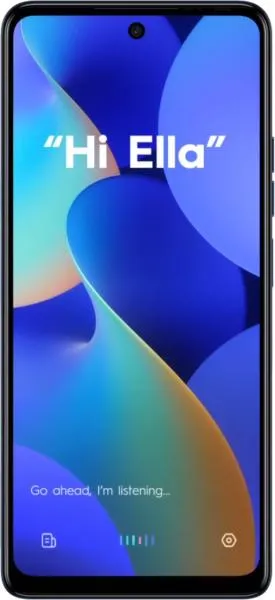
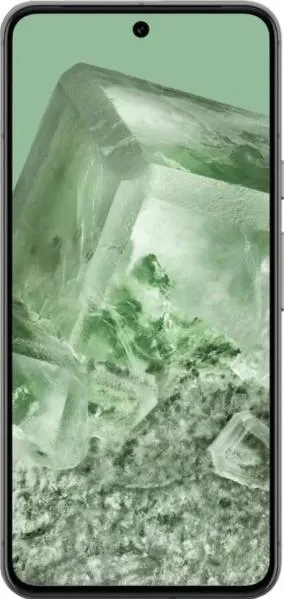
| Feature | Tecno Spark 10 Pro | Google Pixel 8 | Practical Impact |
|---|---|---|---|
| Design | |||
| Dimensions (mm) | 168.4 x 76.2 x 8.4 | 150.5 x 70.8 x 8.9 | Pixel 8 is noticeably smaller and potentially more pocketable. |
| Weight (g) | 208 | 187 | Pixel 8 is lighter, improving one-handed use. |
| Build Material | Not specified | Not specified | Cannot compare build quality and durability. |
| Display | |||
| Display Type | IPS LCD | OLED | Pixel 8's OLED offers deeper blacks, higher contrast, and potentially better power efficiency. |
| Display Size (inches) | 6.8 | 6.2 | Spark 10 Pro provides a larger viewing area for media consumption; Pixel 8 is more compact. |
| Resolution | 1080 x 2460 | 1080 x 2400 | Similar sharpness due to Pixel 8's smaller display size. |
| Refresh Rate (Hz) | 90 | 120 | Pixel 8 offers smoother scrolling and animations. |
| Peak Brightness (nits) | Not specified | 2000 | Pixel 8's higher brightness ensures better outdoor visibility. |
| Performance | |||
| Chipset | Mediatek Helio G88 (12nm) | Google Tensor G3 (4nm) | Tensor G3 significantly outperforms Helio G88 in speed, efficiency, and AI capabilities. |
| CPU | Octa-core (2x2.0 GHz A75 & 6x1.8 GHz A55) | Nona-core (1x3.0 GHz X3 & 4x2.45 GHz A715 & 4x2.15 GHz A510) | Pixel 8 will handle demanding tasks and multitasking much more efficiently. |
| GPU | Mali-G52 MC2 | Immortalis-G715s MC10 | Pixel 8 boasts a considerably more powerful GPU for gaming and graphics-intensive applications. |
| RAM (GB) | 8 | 8 | Comparable RAM capacity. |
| OS | Android 13 | Android 14 | Pixel 8 runs the latest Android version with guaranteed updates for longer. |
| Camera | |||
| Rear Camera | 50MP Main, 2MP Depth, 0.3MP unspecified | 50MP Main (Samsung GNV), 12MP Ultrawide (Sony IMX386) | Pixel 8 offers a superior camera system with a higher quality main sensor and a useful ultrawide lens, leveraging Google's advanced image processing. |
| Selfie Camera | 32MP | 10.8MP | Higher resolution on Spark 10 Pro, but Pixel 8 likely produces better image quality due to processing. |
| Video Recording | 1440p@30fps | 4K@60fps with HDR, OIS, EIS | Pixel 8 offers significantly better video recording capabilities with higher resolution, frame rates, and stabilization. |
| Battery | |||
| Capacity (mAh) | 5000 | 4575 | Spark 10 Pro has a larger battery capacity, potentially offering longer battery life. |
| Charging | 18W Fast Charging | 27W Fast Charging | Pixel 8 charges faster. |
2. Key Differences Analysis
Tecno Spark 10 Pro Advantages:
- Larger Display: Provides a more immersive experience for media consumption.
- Larger Battery: Potentially longer battery life, but real-world usage will depend on optimization.
- Lower Price: Offers a more budget-friendly option.
Google Pixel 8 Advantages:
- Significantly Superior Performance: Faster processor, more powerful GPU, smoother user experience.
- Better Camera System: Higher quality sensors, ultrawide lens, Google's advanced image processing.
- Higher Quality Display: OLED technology delivers better contrast, colors, and viewing angles.
- Software Updates: Guaranteed longer software updates and new features.
- Faster Charging: Reduces downtime.
3. User Profiles & Recommendations
Tecno Spark 10 Pro: Budget-conscious users who prioritize a large display for media consumption and long battery life. Suitable for casual gaming and everyday tasks.
Google Pixel 8: Users who value performance, camera quality, and a premium software experience. Ideal for demanding tasks, gaming, photography, and videography.
4. Decision Framework
Key Questions for Buyers:
- What is your budget? The Spark 10 Pro is significantly cheaper.
- What are your primary use cases? (e.g., gaming, photography, media consumption)
- How important are performance and software updates?
Scenario-Based Recommendations:
- Limited Budget, Casual Use: Tecno Spark 10 Pro
- Balanced Budget, All-Around Use: Google Pixel 8 (if within budget)
- Performance and Camera Focused: Google Pixel 8
My Choice: Google Pixel 8
While the Tecno Spark 10 Pro offers a larger display and battery, the Google Pixel 8's significant advantages in performance, camera quality, software updates, and overall user experience make it the clear winner for me. The Tensor G3 chip provides a substantial performance leap, ensuring smooth multitasking and future-proofing the device. Google's commitment to software updates ensures a longer lifespan with the latest features and security patches. The superior camera system, powered by Google's computational photography, is a major draw. While the Pixel 8 comes at a higher price, the long-term benefits and overall user experience justify the investment. The smaller display size is a trade-off I'm willing to make for the significant performance and feature upgrades.
