1. Specifications Comparison
| Feature | Tecno Spark 10 5G | Xiaomi Redmi Note 13 Pro 4G | Practical Impact |
|---|---|---|---|
| Design | |||
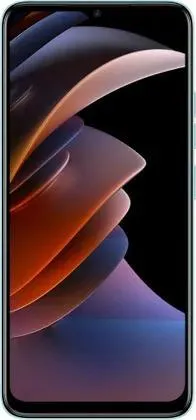
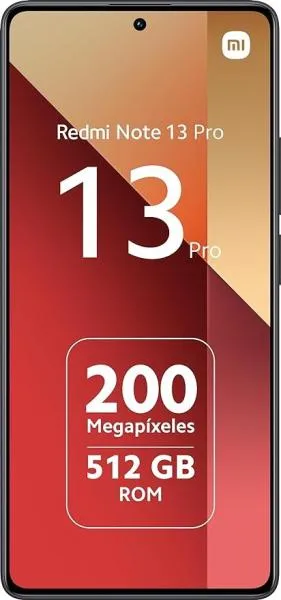
| Dimensions (mm) | 164.4 x 75.5 x 8.4 | 161.1 x 75 x 8 | Redmi is slightly smaller and potentially more pocketable. |
| Weight (g) | 0 (Missing Data) | 188 | Can't compare weight without Spark 10's data, but Redmi's weight is average for its size. |
| Build | Not specified | Not specified | Build materials impact durability and premium feel; information lacking for both. |
| Display | |||
| Display Type | IPS LCD, 90Hz | AMOLED, 120Hz | Redmi offers superior contrast, deeper blacks, and smoother scrolling due to AMOLED and higher refresh rate. |
| Size (inches) | 6.6 | 6.67 | Negligible size difference. |
| Resolution | 720 x 1612 | 1080 x 2400 | Redmi has a significantly sharper and more detailed display. |
| PPI | 267 | 395 | Redmi's higher pixel density results in crisper text and images. |
| Peak Brightness | Not specified | 1300 nits | Redmi's high peak brightness ensures better visibility in sunlight. Spark's missing data hinders comparison. |
| Performance | |||
| Chipset | Mediatek Dimensity 6020 (7 nm) | Mediatek Helio G99 Ultra | Both use similar CPUs, but "Ultra" suggests potential performance tuning advantages for the Redmi, though benchmarks are needed to confirm. |
| CPU | Octa-core (2x2.2 GHz Cortex-A76 & 6x2.0 GHz Cortex-A55) | Octa-core (2x2.2 GHz Cortex-A76 & 6x2.0 GHz Cortex-A55) | Identical CPU core configurations suggest similar performance in everyday tasks. |
| GPU | Mali-G57 MC2 | Mali-G57 MC2 | Same GPU indicates comparable graphics performance; real-world gaming differences may exist due to other factors. |
| RAM | 8GB | 8GB/12GB | Redmi offers a 12GB RAM option for better multitasking and future-proofing. |
| Camera | |||
| Main Camera | 50MP | 200MP | Redmi boasts a much higher resolution main sensor, potentially capturing more detail. Sensor size and other factors significantly impact image quality, and this information is partially missing. |
| Front Camera | 8MP | 16MP | Redmi's higher resolution selfie camera likely produces better quality self-portraits. |
| Video Recording | 1080p@30fps | 1080p@30/60fps | Redmi offers more video recording options, including 60fps for smoother footage. |
| Battery | |||
| Capacity | 5000 mAh | 5000 mAh | Identical battery capacities suggest similar battery life, but actual usage will vary. |
| Charging Speed | Not specified | Not specified | Charging speed significantly impacts usability; this crucial data is missing. |
2. Key Differences Analysis
Tecno Spark 10 5G Advantages:
- 5G Connectivity: Offers faster download and upload speeds in areas with 5G coverage.
- Potentially Lower Price: Generally positioned in a more budget-friendly segment.
Xiaomi Redmi Note 13 Pro 4G Advantages:
- Superior Display: AMOLED with 120Hz refresh rate offers a vastly improved visual experience.
- Higher Resolution Cameras: Potentially better image quality, especially in the main camera.
- More RAM Options: 12GB RAM option provides smoother multitasking and better performance for demanding applications.
- NFC: Enables contactless payments and other convenient features.
3. User Profiles & Recommendations
Tecno Spark 10 5G: Budget-conscious users who prioritize 5G connectivity over other features. Suitable for basic tasks like web browsing, social media, and communication.
Xiaomi Redmi Note 13 Pro 4G: Users who value a premium display, better camera performance, and smoother overall experience. Ideal for multimedia consumption, mobile gaming, and multitasking.
4. Decision Framework
Key Questions for Buyers:
- Is 5G connectivity crucial? If yes, the Spark 10 5G is the only option.
- What is your budget? The Spark 10 5G is likely more affordable.
- Which features matter most? Prioritize display quality, camera, and performance? Choose the Redmi. Prioritize price and 5G? Choose the Spark.
My Choice: Xiaomi Redmi Note 13 Pro 4G
While lacking 5G might be a drawback for some, the Redmi Note 13 Pro 4G offers a significantly better overall user experience. The AMOLED display with a 120Hz refresh rate is a major upgrade, providing smoother scrolling, richer colors, and deeper blacks. The higher resolution cameras, potentially faster processor, extra RAM option, and NFC functionality further solidify its advantage. While the Tecno offers 5G and likely a lower price, the significantly improved display, camera, and overall user experience of the Redmi make it the better choice for me, as I prioritize these aspects in a smartphone. The missing data points (weight for Tecno, build materials, and charging speeds for both) make a fully informed decision difficult, but based on the available information, the Redmi is superior.
