1. Specifications Comparison
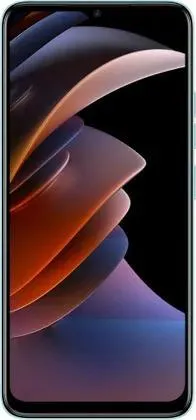
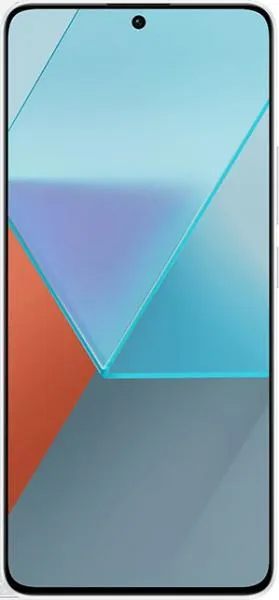
| Feature | Tecno Spark 10 5G | Xiaomi Redmi Note 13 Pro | Practical Impact |
|---|---|---|---|
| Design | |||
| Dimensions (mm) | 164.4 x 75.5 x 8.4 | 161.2 x 74.2 x 8 | Redmi Note 13 Pro is slightly smaller and potentially more pocketable. |
| Weight (g) | 0 (Missing Data) | 187 | Can't compare weight without Spark 10 5G's data, but Redmi's weight is typical for its size. |
| Build | Not specified | Not specified | Build quality and materials impact durability and premium feel; cannot compare without data. |
| Display | |||
| Display Type | IPS LCD, 90Hz | AMOLED, 120Hz, Dolby Vision | Redmi offers superior contrast, deeper blacks, smoother scrolling, and HDR support for richer visuals. |
| Display Size | 6.6" | 6.67" | Negligible size difference in real-world usage. |
| Resolution | 720 x 1612 (267 ppi) | 1220 x 2712 (446 ppi) | Redmi has significantly sharper text and images due to much higher resolution and pixel density. |
| Peak Brightness | Not specified | 1800 nits | Redmi's higher peak brightness ensures better visibility outdoors. |
| Performance | |||
| Chipset | Mediatek Dimensity 6020 (7 nm) | Qualcomm Snapdragon 7s Gen 2 (4 nm) | Redmi likely offers better performance and efficiency due to a more advanced chipset built on a smaller process node. |
| CPU | Octa-core (2x2.2 GHz A76 & 6x2.0 GHz A55) | Octa-core (4x2.4 GHz A78 & 4x1.95 GHz A55) | Redmi features faster and more powerful CPU cores, leading to smoother multitasking and app loading. |
| GPU | Mali-G57 MC2 | Adreno 710 | Redmi's GPU is generally considered more powerful, resulting in better gaming performance. |
| RAM | 8GB | 8GB/12GB/16GB | Redmi offers configurations with more RAM, enabling better multitasking and handling demanding apps. |
| Camera | |||
| Main Camera | 50MP, f/1.6 | 200MP, f/1.65, OIS | Redmi boasts a much higher resolution sensor with Optical Image Stabilization (OIS) for sharper images and improved low-light performance. |
| Video Recording | 1080p@30fps | 4K@30fps with EIS | Redmi offers superior video recording capabilities with higher resolution and Electronic Image Stabilization (EIS). |
| Battery | |||
| Capacity | 5000 mAh | 5100 mAh | Marginally larger battery on the Redmi; actual battery life depends on optimization and usage. |
2. Key Differences Analysis
Redmi Note 13 Pro Advantages:
- Superior Display: AMOLED with higher resolution, refresh rate, and HDR support provides a significantly better visual experience.
- Enhanced Performance: More powerful chipset and GPU translates to smoother performance in demanding tasks and gaming.
- Advanced Camera System: Higher resolution main sensor with OIS and better video recording capabilities.
- More RAM Options: Configurations with up to 16GB RAM for power users.
- NFC: Enables contactless payments and data transfer.
Tecno Spark 10 5G Advantages:
- Potentially Lower Price: Likely more affordable, although exact pricing comparison is needed (assuming similar storage configurations).
Trade-offs:
- The Redmi Note 13 Pro's superior features come at a higher price.
- The Tecno Spark 10 5G prioritizes affordability over premium features.
3. User Profiles & Recommendations
Tecno Spark 10 5G: Budget-conscious users prioritizing basic functionality and 5G connectivity. Suitable for:
- Casual users primarily focused on calling, texting, and social media.
- Users seeking an affordable entry point into 5G.
Xiaomi Redmi Note 13 Pro: Users seeking a well-rounded phone with a strong emphasis on multimedia consumption, gaming, and photography. Suitable for:
- Mobile gamers seeking smooth performance.
- Photography enthusiasts who value high-resolution images and OIS.
- Users who prioritize a vibrant and sharp display.
4. Decision Framework
Key Questions for Buyers:
- What is your budget? The Redmi Note 13 Pro is more expensive.
- What are your primary smartphone usage patterns? Casual use vs. demanding tasks/gaming/photography.
- Which features are most important to you? Display quality, performance, camera, battery life.
My Choice: Xiaomi Redmi Note 13 Pro
Reasoning: The Redmi Note 13 Pro offers a significantly better overall experience due to its superior display, performance, camera system, and feature set like NFC. While the Tecno Spark 10 5G might be more budget-friendly, the Redmi's advantages in key areas like display and performance are substantial enough to justify the price difference for most users seeking a long-term investment. The jump in display quality alone (AMOLED, higher resolution, 120Hz) significantly impacts daily usage. Moreover, the superior camera system and faster processor make the Redmi a more versatile and future-proof device.
