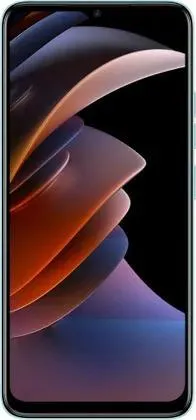
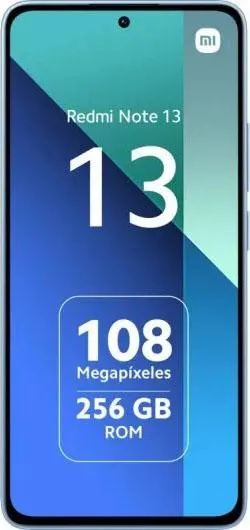
1. Specifications Comparison
| Feature | Tecno Spark 10 5G | Xiaomi Redmi Note 13 4G | Practical Impact |
|---|---|---|---|
| Design | |||
| Dimensions (mm) | 164.4 x 75.5 x 8.4 | 162.3 x 75.6 x 8.0 | Negligible size difference; both are large phones. |
| Weight (g) | 0 (Missing data) | 188.5 | Redmi's weight is typical for its size; Tecno's missing weight limits comparison. |
| Display | |||
| Display Type | IPS LCD, 90Hz | AMOLED, 120Hz | Redmi offers richer colors, deeper blacks, and smoother scrolling due to AMOLED and higher refresh rate. Tecno's LCD might be brighter outdoors. |
| Resolution | 720 x 1612 (267 ppi) | 1080 x 2400 (395 ppi) | Redmi's significantly sharper display provides a more detailed and enjoyable viewing experience for media consumption and general use. |
| Size | 6.6" | 6.67" | Negligible size difference. |
| Performance | |||
| Chipset | Mediatek Dimensity 6020 (7 nm) | Qualcomm Snapdragon 685 (6 nm) | Both offer similar mid-range performance. Snapdragon 685 might have slightly better efficiency due to the 6nm process. Real-world difference likely minimal for average users. |
| CPU | Octa-core (2x2.2 GHz Cortex-A76 & 6x2.0 GHz Cortex-A55) | Octa-core (4x2.8 GHz Cortex-A73 & 4x1.9 GHz Cortex-A53) | Redmi's CPU features faster Cortex-A73 cores, potentially offering better performance in demanding tasks. |
| GPU | Mali-G57 MC2 | Adreno 610 | Performance differences likely minimal for casual gaming; more demanding games might run better on the Adreno 610. |
| RAM | 8GB | 8GB | Equal RAM capacity ensures smooth multitasking on both devices. |
| Camera | |||
| Main Camera | 50MP | 108MP | Redmi's higher resolution main camera potentially captures more detail, especially in good lighting. Image quality depends on sensor and processing, not just megapixels. |
| Selfie Camera | 8MP | 16MP | Redmi's higher resolution selfie camera likely produces more detailed self-portraits. |
| Video Recording | 1080p@30fps | 1080p@30fps | Both offer basic video recording capabilities. |
| Battery | |||
| Capacity | 5000 mAh | 5000 mAh | Similar battery capacities suggest comparable battery life, although real-world usage will vary. |
| Other | |||
| NFC | No | Yes | Redmi allows for contactless payments and other NFC functionalities. |
| OS Updates | Up to Android 13 (unclear) | Up to Android 16 | Redmi has a confirmed longer software update cycle, providing security and feature updates for a longer period. |
2. Key Differences Analysis
Redmi Note 13 4G Advantages:
- Superior Display: AMOLED with 120Hz refresh rate offers vibrant colors, smooth scrolling, and better power efficiency compared to Tecno's LCD.
- Higher Resolution Display:Sharper visuals for a more enjoyable viewing experience.
- Potentially Better Performance: Faster CPU cores in the Snapdragon 685 may provide a slight edge in demanding tasks.
- Higher Resolution Cameras: The 108MP main and 16MP selfie cameras have the potential for more detailed photos.
- NFC: Enables contactless payments and data transfer.
- Longer Software Support: Confirmed updates up to Android 16.
Tecno Spark 10 5G Advantages:
- 5G Connectivity: Offers faster download and upload speeds in areas with 5G coverage. This is a significant advantage if 5G is available in your area.
3. User Profiles & Recommendations
Tecno Spark 10 5G: Best suited for budget-conscious users who prioritize 5G connectivity over other features. Ideal for users in areas with good 5G coverage who primarily use their phone for basic tasks like browsing, social media, and communication.
Xiaomi Redmi Note 13 4G: Better choice for users who value a high-quality display, overall performance, and camera capabilities. Suitable for multimedia consumption, gaming, and photography enthusiasts. The longer software update cycle also adds value.
4. Decision Framework
Key Questions for Buyers:
- Is 5G crucial? If access to high-speed internet is paramount, the Tecno Spark 10 5G is the only option.
- What is your budget? Both phones are in the medium price range, but minor price differences may exist.
- Which features matter most? Prioritize display quality, performance, camera, and software updates if those are important to you – leaning towards the Redmi. If connectivity trumps all, choose the Tecno.
Scenario-Based Recommendations:
- Limited budget, 5G needed: Tecno Spark 10 5G
- Student needing a good all-around phone: Redmi Note 13 4G
- Multimedia enthusiast: Redmi Note 13 4G
My Choice: Xiaomi Redmi Note 13 4G
While the Tecno Spark 10 5G offers 5G, the Redmi Note 13 4G provides a significantly better overall user experience. The superior AMOLED display, higher resolution, potential performance advantages, better camera system, NFC functionality, and longer software support make it a more compelling device for my needs. I value a smooth and visually appealing display, and the Redmi delivers that. While 5G is attractive, the overall daily experience offered by the Redmi outweighs the benefits of 5G in my usage scenario, where I have reliable access to high-speed Wi-Fi. The confirmed software updates also ensure the phone will remain secure and up-to-date for a longer period.
