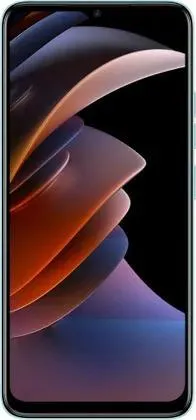
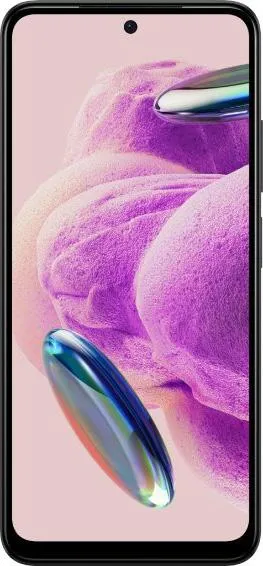
1. Specifications Comparison
| Feature | Tecno Spark 10 5G | Xiaomi Redmi Note 12S | Practical Impact |
|---|---|---|---|
| Design | |||
| Dimensions (mm) | 164.4 x 75.5 x 8.4 | 159.9 x 73.9 x 8.1 | Redmi Note 12S is slightly smaller and may feel more comfortable in hand. |
| Weight (g) | 0 (Missing Data) | 176 | Cannot compare weight without Tecno's data. |
| Display | |||
| Display Type | IPS LCD, 90Hz | AMOLED, 90Hz | Redmi Note 12S's AMOLED offers deeper blacks, more vibrant colors, and potentially better power efficiency. |
| Display Size (inches) | 6.6 | 6.43 | Negligible size difference. |
| Resolution | 720 x 1612 | 1080 x 2400 | Redmi Note 12S has a significantly sharper display, resulting in clearer text and images. |
| PPI | 267 | 409 | Noticeably higher pixel density on the Redmi Note 12S leads to a much crisper viewing experience. |
| Peak Brightness (nits) | Missing Data | 1000 | Cannot compare peak brightness without Tecno's data, impacting outdoor visibility. |
| Performance | |||
| Chipset | Mediatek Dimensity 6020 (7 nm) | Mediatek Helio G96 (12 nm) | Dimensity 6020 is built on a smaller node, potentially offering better power efficiency and slightly improved performance. |
| CPU | Octa-core (2x2.2 GHz Cortex-A76 & 6x2.0 GHz Cortex-A55) | Octa-core (2x2.05 GHz Cortex-A76 & 6x2.0 GHz Cortex-A55) | Very similar CPU configurations, minor performance differences expected. |
| GPU | Mali-G57 MC2 | Mali-G57 MC2 | Same GPU, similar graphical performance expected. |
| RAM | 8GB | 6GB/8GB | 8GB variant of both phones will provide smoother multitasking. |
| Camera | |||
| Main Camera | 50MP | 108MP | Redmi Note 12S boasts higher resolution, potentially capturing more detail. Practical image quality depends on sensor size and processing. |
| Selfie Camera | 8MP | 16MP | Redmi Note 12S has a higher resolution selfie camera. |
| Video Recording | 1080p@30fps | 1080p@30fps | Both offer similar video recording capabilities. |
| Battery | |||
| Capacity | 5000 mAh | 5000 mAh | Similar battery capacities, actual battery life depends on optimization and usage. |
| Other | |||
| NFC | No | Yes | Redmi Note 12S supports contactless payments and data transfer via NFC. |
| OS | Android 13 | Android 13 | Both run on the latest Android version. |
2. Key Differences Analysis
Tecno Spark 10 5G Advantages:
- Potentially better power efficiency: Due to the 7nm chipset.
- 5G Connectivity: Offers faster mobile data speeds in areas with 5G coverage.
Xiaomi Redmi Note 12S Advantages:
- Superior Display: AMOLED technology provides better contrast, colors, and viewing angles. Higher resolution (1080p) leads to significantly sharper visuals.
- Higher Resolution Cameras: Both main and selfie cameras offer more megapixels.
- NFC: Enables contactless payments and data transfer.
- More readily available: Xiaomi phones have wider global availability and established customer support.
3. User Profiles & Recommendations
Tecno Spark 10 5G: Budget-conscious users prioritizing 5G connectivity and long battery life. Suitable for basic tasks like browsing, social media, and communication.
Xiaomi Redmi Note 12S: Users who value a high-quality display and camera experience. Suitable for multimedia consumption, gaming, and photography enthusiasts.
4. Decision Framework
Key Questions for Buyers:
- Is 5G connectivity crucial? If yes, the Tecno Spark 10 5G is the only option.
- How important is display quality? If a vibrant and sharp display is a priority, the Redmi Note 12S is the better choice.
- What is your budget? Compare prices in your region to determine the best value proposition.
Scenario-Based Recommendations:
- Limited Budget, Need 5G: Tecno Spark 10 5G
- Prioritize Display and Camera: Xiaomi Redmi Note 12S
- Balanced Needs, Best Value: Depends on regional pricing, but Redmi Note 12S generally offers more features for the price.
My Choice: Xiaomi Redmi Note 12S
Reasons:
The Redmi Note 12S offers a significantly better display and camera experience, which are crucial for my daily usage. The AMOLED screen with 1080p resolution is a major upgrade over the Tecno's 720p IPS LCD. While 5G is a nice feature, widespread availability and stable 4G speeds are sufficient for my needs. The inclusion of NFC for contactless payments is a welcome addition. While I acknowledge the potential power efficiency benefit of the Tecno's 7nm chipset, the superior overall user experience of the Redmi Note 12S makes it the clear winner for me. The lack of weight information for the Tecno also prevents a complete comparison. Finally, Xiaomi's wider global availability and established support network provide added peace of mind.
