1. Specifications Comparison
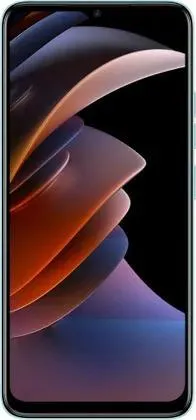
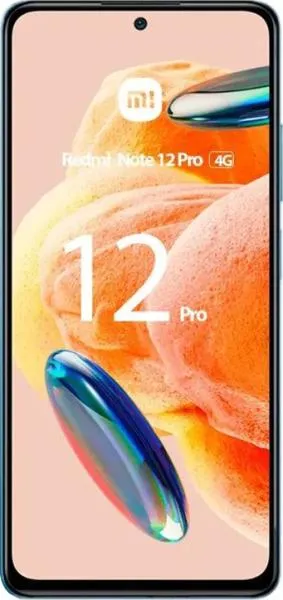
| Feature | Tecno Spark 10 5G | Xiaomi Redmi Note 12 Pro 4G | Practical Impact |
|---|---|---|---|
| Design | |||
| Dimensions (mm) | 164.4 x 75.5 x 8.4 | 164.2 x 76.1 x 8.1 | Negligible size difference in practical use. |
| Weight (g) | 0 (Missing data) | 201.8 | Redmi's weight is typical for its size; Tecno's missing weight limits comparison. |
| Display | |||
| Display Type | IPS LCD, 90Hz | AMOLED, 120Hz, Dolby Vision | Redmi offers superior contrast, deeper blacks, and smoother scrolling due to AMOLED and higher refresh rate. Dolby Vision enhances HDR content viewing. |
| Size (inches) | 6.6 | 6.67 | Negligible size difference. |
| Resolution | 720 x 1612 | 1080 x 2400 | Redmi offers significantly sharper visuals due to much higher resolution (395 ppi vs 267 ppi). |
| Performance | |||
| Chipset | Mediatek Dimensity 6020 (7 nm) | Qualcomm Snapdragon 732G (8 nm) | Snapdragon 732G generally offers better performance in demanding tasks and gaming compared to Dimensity 6020. |
| CPU | Octa-core (2x2.2 GHz Cortex-A76 & 6x2.0 GHz Cortex-A55) | Octa-core (2x2.2 GHz Kryo 470 Gold & 6x1.8 GHz Kryo 470 Silver) | While core configurations differ, Snapdragon's architecture and Adreno GPU typically provide a smoother, faster user experience. |
| RAM (GB) | 8 | 8 | Both phones offer ample RAM for multitasking. |
| Camera | |||
| Main Camera (MP) | 50 | 108 | Redmi boasts a much higher resolution main sensor, potentially capturing more detail. However, megapixels alone don't guarantee image quality. Sensor size and processing are crucial. |
| Front Camera (MP) | 8 | 16 | Redmi has a higher resolution selfie camera. |
| Video Recording | 1080p@30fps | 4K@30fps, 1080p@60fps | Redmi offers superior video recording capabilities with 4K resolution and higher frame rate options. |
| Battery | |||
| Capacity (mAh) | 5000 | 5000 | Similar battery capacities suggest comparable battery life, but actual usage varies depending on factors like display type and processor efficiency. |
| Other | |||
| NFC | No | Yes | Redmi supports contactless payments and data transfer via NFC. |
| OS | Android 13 | Android 11 | Tecno ships with a newer Android version, potentially offering longer software support and newer features. However, Xiaomi's MIUI skin adds features not found in stock Android. |
2. Key Differences Analysis
Tecno Spark 10 5G Advantages:
- Newer Android OS: Potentially longer software updates and newer features.
- 5G Connectivity: Future-proofed for faster mobile data speeds where available.
Xiaomi Redmi Note 12 Pro 4G Advantages:
- Superior Display: AMOLED with 120Hz refresh rate and Dolby Vision offers a significantly better visual experience.
- Better Performance: Snapdragon 732G and Adreno 618 provide smoother performance for demanding tasks and gaming.
- Higher Resolution Cameras: Potential for more detailed photos and videos.
- 4K Video Recording: Captures higher quality video.
- NFC: Enables contactless payments and data transfer.
Trade-offs:
- Tecno sacrifices display quality and performance for 5G connectivity and a lower price point.
- Redmi lacks 5G but offers a more premium multimedia experience.
3. User Profiles & Recommendations
Tecno Spark 10 5G: Budget-conscious users prioritizing 5G connectivity over other features. Suitable for basic tasks like web browsing, social media, and casual gaming.
Xiaomi Redmi Note 12 Pro 4G: Users who value a great multimedia experience with a vibrant display, smooth performance, and good cameras. Ideal for content consumption, gaming, and photography enthusiasts.
4. Decision Framework
Key Questions for Buyers:
- Is 5G connectivity a must-have? If yes, the Tecno is the only option.
- How important is display quality and performance? If these are priorities, the Redmi offers a substantial upgrade.
- What is your budget? The Tecno is likely more affordable.
Scenario-Based Recommendations:
- Limited Budget, Needs 5G: Tecno Spark 10 5G
- Prioritizes Multimedia and Performance: Xiaomi Redmi Note 12 Pro 4G
My Choice: Xiaomi Redmi Note 12 Pro 4G
While 5G is appealing, the Redmi Note 12 Pro 4G offers a significantly better overall user experience. The AMOLED display, higher performance, superior cameras, and NFC functionality outweigh the lack of 5G for my needs. I prioritize daily usability and a premium multimedia experience, and the Redmi delivers in those areas. The significantly sharper display, smoother performance due to the better processor and higher refresh rate, and enhanced camera capabilities make it a more compelling device. While the Tecno offers a newer Android version, Xiaomi's MIUI provides a feature-rich experience that often compensates for this difference. Ultimately, I am willing to forgo 5G for a more enjoyable and versatile smartphone experience.
