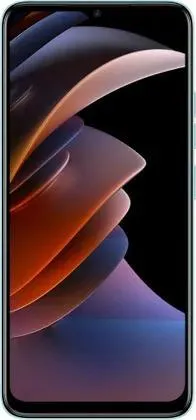
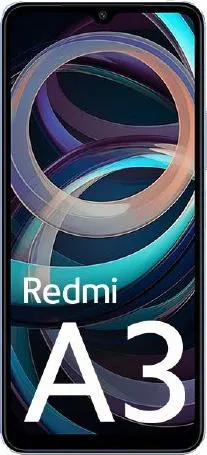
1. Specifications Comparison
| Feature | Tecno Spark 10 5G | Xiaomi Redmi A3 | Practical Impact |
|---|---|---|---|
| Design | |||
| Dimensions (mm) | 164.4 x 75.5 x 8.4 | 168.3 x 76.3 x 8.3 | Redmi A3 is slightly larger and heavier. |
| Weight (g) | 0 (Missing Data) | 193 | Can't compare weight without Spark 10's data. |
| Build Material | Not specified | Not specified | Build quality and durability are unknown. |
| Display | |||
| Size (inches) | 6.6 | 6.71 | Negligible difference in screen real estate. |
| Resolution | 720 x 1612 | 720 x 1650 | Both have similar HD+ resolution; slight sharpness advantage to Redmi A3 due to larger size and pixel count. |
| Refresh Rate | 90Hz | 90Hz | Both offer smooth scrolling and animations. |
| Display Type | IPS LCD | IPS LCD | Similar color accuracy and viewing angles. |
| Performance | |||
| Chipset | Mediatek Dimensity 6020 (7nm) | Mediatek Helio G36 (12nm) | Dimensity 6020 is significantly more powerful and efficient due to smaller fabrication process (7nm vs 12nm). This translates to better performance in demanding tasks and games, along with improved battery life. |
| CPU | Octa-core (2x2.2 GHz A76 & 6x2.0 GHz A55) | Octa-core (4x2.2 GHz A53 & 4x1.6 GHz A53) | Spark 10 has more powerful cores (A76 vs A53), resulting in much better multi-tasking and responsiveness. |
| GPU | Mali-G57 MC2 | PowerVR GE8320 | Spark 10 has a superior GPU, offering better gaming performance and smoother graphics rendering. |
| RAM | 8GB | 3GB/4GB/6GB | Spark 10's 8GB RAM ensures smooth multitasking and app switching. Redmi A3 offers different RAM variants, but even the 6GB option is less than the Spark 10. Lower RAM can lead to performance bottlenecks. |
| Camera | |||
| Rear Camera | 50MP Main, 2MP Macro | 8MP Main, 0.3MP (unknown) | Spark 10 boasts a much higher resolution main sensor, likely producing better image quality. The secondary sensor on Redmi A3 is unclear and potentially insignificant. |
| Front Camera | 8MP | 5MP | Spark 10 likely offers better selfie quality with higher resolution. |
| Battery | |||
| Capacity | 5000 mAh | 5000 mAh | Similar battery capacity, but Spark 10's more efficient processor likely results in longer battery life. |
| Other | |||
| OS | Android 13 | Android 14 | Redmi A3 runs a newer Android version out of the box, potentially offering newer features and longer software support. |
| NFC | No | Yes | Redmi A3 supports contactless payments and data transfer via NFC. |
| Price | Medium | Low | Redmi A3 is significantly cheaper. |
2. Key Differences Analysis
Tecno Spark 10 5G Advantages:
- Significantly better performance: The Dimensity 6020 chipset, combined with 8GB of RAM, provides a much smoother and more responsive user experience.
- Superior camera: The 50MP main camera offers significantly better image quality compared to the Redmi A3's 8MP.
- Likely better battery life: While both have the same battery capacity, the Spark 10's more efficient chipset should provide longer usage time.
Xiaomi Redmi A3 Advantages:
- Lower price: Significantly more affordable.
- NFC support: Enables contactless payments.
- Newer Android version: Android 14 offers potential advantages in features and longevity of software updates.
Trade-offs:
- Performance vs. Price: Redmi A3 sacrifices performance for affordability.
- Camera Quality vs. Price: Redmi A3 compromises camera quality for a lower price point.
3. User Profiles & Recommendations
Tecno Spark 10 5G: Users who prioritize performance, gaming, camera quality, and overall smoothness. Suitable for:
- Mobile gamers
- Photography enthusiasts
- Users who multitask heavily
Xiaomi Redmi A3: Budget-conscious users who prioritize basic functionality and NFC. Suitable for:
- Users primarily using their phone for calls, messaging, and social media.
- Users who require NFC for contactless payments.
4. Decision Framework
Key Questions for Buyers:
- What is your budget? The Redmi A3 is significantly cheaper.
- What are your primary phone usage patterns? For basic tasks, the Redmi A3 is sufficient. For demanding tasks or gaming, the Spark 10 is essential.
- Which features are most important to you? Prioritize performance, camera, and battery life with the Spark 10, or NFC and affordability with the Redmi A3.
My Choice: Tecno Spark 10 5G
While the Redmi A3 is appealing for its price and NFC, the Tecno Spark 10 5G is the better overall phone due to its significantly superior performance, camera, and expected battery life. The Dimensity 6020 provides a much better user experience compared to the Helio G36. 8GB of RAM is also a huge advantage for multitasking. The lack of NFC on the Spark 10 is a drawback, but the substantial performance gains and better camera make it a worthwhile trade-off for me. The difference in day-to-day usability would be significant. I would be willing to pay the price premium for a more enjoyable and frustration-free smartphone experience.
