1. Specifications Comparison
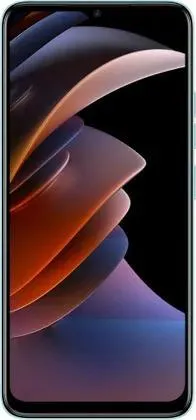
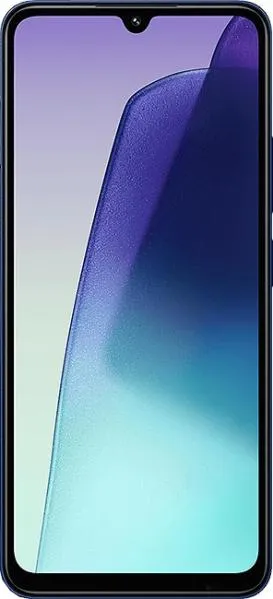
| Feature | Tecno Spark 10 5G | Xiaomi Redmi 14C | Practical Impact |
|---|---|---|---|
| Design | |||
| Dimensions (mm) | 164.4 x 75.5 x 8.4 | 171.9 x 77.8 x 8.2 | Redmi 14C is noticeably larger and heavier. Spark 10 5G might be more pocketable and comfortable for one-handed use. |
| Weight (g) | 0 (Missing Data) | 211 | Can't compare weight without Spark 10 5G's data. 211g is relatively heavy for a modern smartphone. |
| Build Material | Not specified | Not specified | Material impacts durability and premium feel. Unable to compare without data. |
| Display | |||
| Size (inches) | 6.6 | 6.88 | Redmi 14C offers a larger screen for media consumption and multitasking, but may be less comfortable for one-handed use. |
| Resolution | 720 x 1612 | 720 x 1640 | Both have similar HD+ resolution, resulting in comparable sharpness on a screen of this size. |
| Refresh Rate | 90Hz | 120Hz | Redmi 14C's 120Hz display provides smoother scrolling and animations, resulting in a more fluid user experience. |
| Display Type | IPS LCD | IPS LCD | Both use IPS LCD technology, offering good color reproduction and viewing angles but lacking the deep blacks of OLED displays. |
| Performance | |||
| Chipset | Mediatek Dimensity 6020 (7 nm) | Mediatek Helio G81 Ultra | Dimensity 6020 generally offers better performance and efficiency due to its superior manufacturing process (7nm vs. older technology for the G81). |
| CPU | Octa-core (2x2.2 GHz Cortex-A76 & 6x2.0 GHz Cortex-A55) | Octa-core (2x2.0 GHz Cortex-A75 & 6x1.8 GHz Cortex-A55) | Spark 10 5G likely has a slight edge in CPU performance due to faster clock speeds and newer core architecture. |
| GPU | Mali-G57 MC2 | Mali-G52 MC2 | Mali-G57 is a more powerful GPU, leading to better gaming performance and smoother graphics rendering on the Spark 10 5G. |
| RAM | 8GB | 4GB/6GB/8GB (Variant Dependent) | 8GB RAM on the Spark 10 allows for smoother multitasking and better performance with demanding apps compared to the base 4GB Redmi 14C. |
| Camera | |||
| Main Camera | 50MP | 50MP | Both have 50MP main cameras; image quality will depend on sensor size, aperture, and software processing, which are not fully specified. |
| Selfie Camera | 8MP | 13MP | Redmi 14C has a higher resolution selfie camera, potentially capturing more detailed self-portraits. |
| Video Recording | 1080p@30fps | 1080p@30fps | Both offer similar video recording capabilities. |
| Battery | |||
| Capacity | 5000mAh | 5160mAh | Redmi 14C has a slightly larger battery, potentially offering marginally longer battery life. Real-world usage will vary. |
| Other | |||
| NFC | No | Yes | Redmi 14C supports NFC for contactless payments and other functionalities. |
| OS | Android 13 | Android 14 | Redmi 14C ships with a newer Android version, potentially offering newer features and longer software support. |
| 5G Connectivity | Yes | No | Spark 10 5G offers faster cellular data speeds and future-proof connectivity where 5G networks are available. |
2. Key Differences Analysis
Tecno Spark 10 5G Advantages:
- Superior Performance: The Dimensity 6020 chipset and Mali-G57 GPU provide a noticeable performance advantage for gaming and demanding tasks.
- 5G Connectivity: Future-proofs the device for faster data speeds.
- Generally Smoother Experience: Combination of faster processor, GPU, and higher RAM capacity.
Xiaomi Redmi 14C Advantages:
- Larger Display: Provides more screen real estate for media consumption.
- Higher Refresh Rate Display: Smoother scrolling and animations (120Hz vs. 90Hz).
- Slightly Larger Battery: Potentially slightly longer battery life.
- NFC: Enables contactless payments.
- Newer Android Version: Potentially longer software updates and new features out of the box.
Trade-offs:
- Redmi 14C: Larger display size might make one-handed use less comfortable. Lacks 5G connectivity.
- Spark 10 5G: Smaller battery capacity. Lacks NFC.
3. User Profiles & Recommendations
Tecno Spark 10 5G: Users who prioritize performance, gaming, and future-proof connectivity (5G) over screen size and NFC. Good for budget-conscious gamers and those in areas with 5G coverage.
Xiaomi Redmi 14C: Users who prioritize a large display for media consumption, NFC functionality for contactless payments, and the latest Android features. Suitable for users who primarily use their phones for browsing, video watching, and casual tasks.
4. Decision Framework
Key Questions for Buyers:
- Is 5G connectivity crucial? If yes, the Spark 10 5G is the only option.
- Do you prioritize performance or screen size? Gamers and power users will prefer the Spark 10 5G. Media consumers might prefer the Redmi 14C.
- Is NFC a must-have? If contactless payments are essential, choose the Redmi 14C.
My Choice: Tecno Spark 10 5G
While the Redmi 14C offers a larger display, NFC, and a newer Android version, the Tecno Spark 10 5G's superior performance due to its more powerful chipset and GPU, along with the future-proofing of 5G connectivity, are more compelling factors for me. I value a smooth and responsive user experience, especially for gaming and multitasking, which the Spark 10 5G is more likely to deliver. The absence of NFC is less of a concern for me personally than performance limitations. The missing weight for the Spark 10 5G is a significant data gap, but the performance advantages outweigh the potential downsides for my use case.
