1. Specifications Comparison
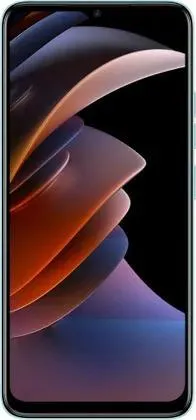
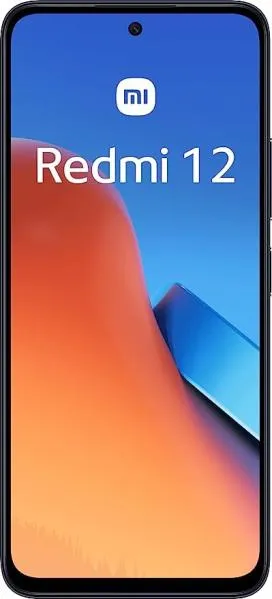
| Feature | Tecno Spark 10 5G | Xiaomi Redmi 12 | Practical Impact |
|---|---|---|---|
| Design | |||
| Dimensions (mm) | 164.4 x 75.5 x 8.4 | 168.6 x 76.3 x 8.2 | Redmi 12 is slightly larger and heavier. |
| Weight (g) | 0 (Missing data) | 198.5 | Cannot compare weight without Spark 10's data. |
| Display | |||
| Size (inches) | 6.6 | 6.79 | Redmi 12 has a slightly larger screen. |
| Resolution | 720 x 1612 | 1080 x 2460 | Redmi 12 has a significantly sharper display, resulting in clearer text and images. |
| Display Type | IPS LCD, 90Hz | IPS LCD, 90Hz | Both offer smooth scrolling due to 90Hz refresh rate, but Redmi 12's LTPS technology may offer slightly better color accuracy and power efficiency. |
| PPI | 267 | 396 | Redmi 12's higher pixel density provides a much sharper and more detailed visual experience. |
| Performance | |||
| Chipset | Mediatek Dimensity 6020 (7 nm) | Mediatek Helio G88 (12 nm) | Dimensity 6020 is built on a smaller node, likely resulting in better power efficiency and potentially slightly better performance. |
| CPU | Octa-core (2x2.2 GHz Cortex-A76 & 6x2.0 GHz Cortex-A55) | Octa-core (2x2.0 GHz Cortex-A75 & 6x1.8 GHz Cortex-A55) | While core architectures differ slightly, the Dimensity 6020's higher clock speeds suggest better performance in demanding tasks. |
| GPU | Mali-G57 MC2 | Mali-G52 MC2 | Mali-G57 is a more powerful GPU, offering smoother gaming and faster graphics rendering compared to the Mali-G52. |
| RAM | 8GB | 4GB/8GB (Variant Dependent) | 8GB RAM on the Spark 10 allows for smoother multitasking and better performance with multiple apps open. The Redmi 12 offers both 4GB and 8GB variants, impacting multitasking capability. |
| Camera | |||
| Main Camera | 50MP | 50MP | While both have the same resolution, the Redmi 12 provides more sensor details (Samsung S5KJN1), suggesting potentially better image quality. |
| Other Cameras | 2MP Macro, 8MP Selfie | 8MP Wide, 2MP Macro, 8MP Selfie | Redmi 12 offers a dedicated wide-angle lens, expanding creative photography options. |
| Battery | |||
| Capacity | 5000 mAh | 5000 mAh | Similar battery capacities suggest comparable battery life, although real-world usage will vary depending on other factors. |
| Other | |||
| NFC | No | Yes | Redmi 12 supports contactless payments and data transfer via NFC. |
| OS | Android 13 | Android 13 (upgradable to 14) | Redmi 12 has a confirmed OS upgrade path, offering longer software support. |
2. Key Differences Analysis
Tecno Spark 10 5G Advantages:
- Potentially better performance: The Dimensity 6020, combined with 8GB RAM, likely offers smoother performance for demanding tasks and gaming.
- More power-efficient: The 7nm chipset should translate to longer battery life under similar usage patterns.
Xiaomi Redmi 12 Advantages:
- Sharper display: Significantly higher resolution and pixel density provide a much better visual experience.
- Wider camera versatility: The inclusion of a wide-angle lens enhances photographic capabilities.
- NFC support: Enables contactless payments and data transfer.
- Confirmed OS upgrade: Longer software support and access to newer features.
Trade-offs:
- Redmi 12: Potentially slightly lower performance compared to the Spark 10 5G.
- Spark 10 5G: Lower resolution display significantly impacts visual clarity. Lacks NFC functionality.
3. User Profiles & Recommendations
Tecno Spark 10 5G: Users prioritizing performance on a budget, particularly for gaming or multitasking, but who are less concerned about display sharpness or NFC.
Xiaomi Redmi 12: Users who value a high-quality display, camera versatility (including wide-angle shots), and NFC functionality for everyday convenience. Suitable for general use, social media, content consumption, and casual photography.
4. Decision Framework
Key Questions for Buyers:
- Is display quality a top priority? If yes, the Redmi 12 is the clear winner.
- Do you need NFC for contactless payments? If yes, the Redmi 12 is the only option.
- Is raw performance crucial for gaming or heavy multitasking? If yes, lean towards the Spark 10 5G.
My Choice: Xiaomi Redmi 12
While the Tecno Spark 10 5G might offer slightly better performance, the Redmi 12's superior display, NFC functionality, wider camera versatility, and confirmed OS upgrade make it a more compelling overall package for my needs. The significantly sharper display is a major factor, as I value a good visual experience for media consumption and general use. NFC is essential for contactless payments, a feature I use frequently. The added benefit of a wide-angle lens expands creative possibilities. While I acknowledge the potential performance difference, the Redmi 12's other advantages outweigh this for my personal usage pattern. The longer software support offered by the Redmi 12 also contributes to its long-term value.
