1. Specifications Comparison
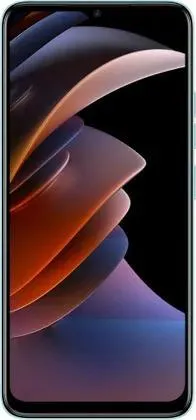
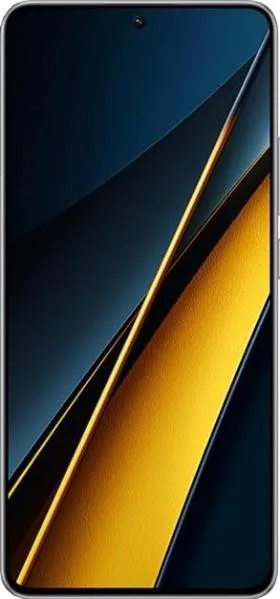
| Feature | Tecno Spark 10 5G | Xiaomi Poco X6 Pro | Practical Impact |
|---|---|---|---|
| Design | |||
| Dimensions (mm) | 164.4 x 75.5 x 8.4 | 160.5 x 74.3 x 8.3 | Poco X6 Pro is slightly smaller and more compact. |
| Weight (g) | 0 (Missing data) | 186 | Cannot compare weight without Spark 10 5G's data. |
| Build | Not specified | Not specified | Build quality and materials cannot be compared. |
| Display | |||
| Display Type | IPS LCD, 90Hz | AMOLED, 120Hz, HDR10+, Dolby Vision | Poco X6 Pro offers significantly better contrast, colors, and smoother scrolling with its AMOLED display and higher refresh rate. HDR10+ and Dolby Vision support provide superior dynamic range in compatible content. |
| Size (inches) | 6.6 | 6.67 | Negligible size difference. |
| Resolution | 720 x 1612 | 1220 x 2712 | Poco X6 Pro has a much sharper and more detailed display. |
| PPI | 267 | 446 | Text and images will be noticeably clearer on the Poco X6 Pro. |
| Peak Brightness | Not specified | 1800 nits | Poco X6 Pro should offer superior outdoor visibility. |
| Performance | |||
| Chipset | Mediatek Dimensity 6020 (7 nm) | Mediatek Dimensity 8300 Ultra (4 nm) | Poco X6 Pro boasts a significantly more powerful and efficient processor, resulting in smoother multitasking, faster app loading, and better gaming performance. |
| CPU | Octa-core (2x2.2 GHz A76 & 6x2.0 GHz A55) | Octa-core (1x3.35 GHz A715 & 3x3.2 GHz A715 & 4x2.2 GHz A510) | The Poco X6 Pro's CPU architecture and higher clock speeds provide a significant performance advantage. |
| GPU | Mali-G57 MC2 | Mali G615-MC6 | Poco X6 Pro offers better graphics performance for gaming and demanding applications. |
| RAM | 8GB | 8/12GB | Poco X6 Pro offers a 12GB RAM option for even smoother multitasking. |
| OS | Android 13 | Android 14 (upgradable to 17) | Poco X6 Pro comes with a newer Android version and has longer software support guaranteed. |
| Camera | |||
| Main Camera | 50MP, f/1.6 | 64MP, f/1.7, OIS | Poco X6 Pro has a higher resolution sensor with Optical Image Stabilization (OIS) for sharper images and videos, especially in low light. |
| Front Camera | 8MP, f/1.8 | 16MP, f/2.4 | Poco X6 Pro has a higher resolution front camera for better selfies. |
| Video Recording | 1080p@30fps | 4K@30fps with EIS | Poco X6 Pro offers much higher video resolution and Electronic Image Stabilization (EIS) for smoother footage. |
| Battery | |||
| Capacity | 5000 mAh | 5000 mAh | Similar battery capacity. Real-world battery life will depend on usage and efficiency of each phone. |
2. Key Differences Analysis
Xiaomi Poco X6 Pro Advantages:
- Significantly superior display: AMOLED with higher resolution, refresh rate, HDR10+, Dolby Vision, and peak brightness.
- Much more powerful performance: Dimensity 8300 Ultra chipset, faster CPU and GPU, and more RAM options.
- Better camera system: Higher resolution main and selfie cameras, OIS for the main camera, 4K video recording.
- Newer software with longer support: Android 14 upgradable to Android 17.
- NFC: Offers contactless payment and data transfer.
Tecno Spark 10 5G Advantages:
- Potentially lower price: While pricing can fluctuate, Tecno devices are generally more budget-friendly.
3. User Profiles & Recommendations
Xiaomi Poco X6 Pro: Users who prioritize performance, display quality, camera features, and future-proof software. Ideal for gamers, content creators, and those who consume multimedia heavily.
Tecno Spark 10 5G: Budget-conscious users who prioritize basic functionality and 5G connectivity over high-end features. Suitable for light users primarily focused on communication, social media, and web browsing.
4. Decision Framework
Key Questions for Buyers:
- What is your budget? The Poco X6 Pro is more expensive.
- What are your primary smartphone usage patterns? Gamers and power users will appreciate the Poco X6 Pro, while light users might find the Spark 10 5G sufficient.
- Which features are most important to you? Prioritize display quality, performance, camera, or battery life based on your needs.
My Choice: Xiaomi Poco X6 Pro
The Xiaomi Poco X6 Pro is the clear winner for me. While the Tecno Spark 10 5G offers 5G connectivity at a potentially lower price, the Poco X6 Pro provides a vastly superior user experience across the board. The significant improvements in display, performance, camera, and software make it a much more compelling device. The higher price is justified by the substantial upgrade in features and overall quality. Even if budget is a concern, I would recommend saving up for the Poco X6 Pro as it offers a much better long-term investment. The longer software updates, superior performance, and excellent display will ensure a more enjoyable and future-proof experience.
