1. Specifications Comparison
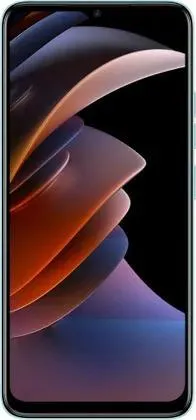
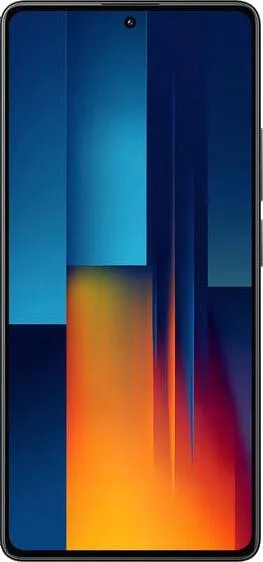
| Feature | Tecno Spark 10 5G | Xiaomi Poco M6 Pro | Practical Impact |
|---|---|---|---|
| Design | |||
| Dimensions (mm) | 164.4 x 75.5 x 8.4 | 161.1 x 75 x 8 | Poco M6 Pro is slightly smaller and more compact. |
| Weight (g) | 0 (Missing Data) | 179 | Cannot compare weight without Spark 10 5G's data. |
| Build | Not specified | Not specified | Build quality and materials cannot be compared. |
| Display | |||
| Display Type | IPS LCD, 90Hz | AMOLED, 120Hz | Poco M6 Pro offers superior contrast, deeper blacks, and smoother scrolling due to AMOLED and higher refresh rate. Spark 10 5G's IPS LCD might be brighter outdoors. |
| Display Size | 6.6" | 6.67" | Negligible size difference. |
| Resolution | 720 x 1612 | 1080 x 2400 | Poco M6 Pro has a significantly sharper and more detailed display. |
| PPI | 267 | 395 | Much sharper visuals and text on the Poco M6 Pro. |
| Peak Brightness | Not specified | 1800 nits | Poco M6 Pro's higher peak brightness ensures better visibility in direct sunlight. Spark's brightness is unknown. |
| Performance | |||
| Chipset | Mediatek Dimensity 6020 (7 nm) | Mediatek Helio G99 Ultra | Both have similar CPUs, but "Ultra" designation suggests potential performance enhancements in the Poco M6 Pro - further benchmarks needed for definitive comparison. |
| CPU | Octa-core (2x2.2 GHz Cortex-A76 & 6x2.0 GHz Cortex-A55) | Octa-core (2x2.2 GHz Cortex-A76 & 6x2.0 GHz Cortex-A55) | Similar CPU architecture suggests comparable performance in everyday tasks. Real-world usage might reveal minor differences due to optimizations. |
| GPU | Mali-G57 MC2 | Mali-G57 MC2 | Similar GPUs suggest comparable gaming performance. Optimization differences may exist. |
| RAM | 8GB | 8GB (as compared) | Same RAM capacity should provide similar multitasking capabilities. |
| Camera | |||
| Rear Camera | 50MP Main, 2MP Macro | 64MP Main, 8MP Wide, 2MP Depth | Poco M6 Pro boasts a higher resolution main sensor and a dedicated wide-angle lens, offering greater versatility. |
| Front Camera | 8MP | 16MP | Poco M6 Pro has a significantly higher resolution front camera for better selfies. |
| Video Recording | 1080p@30fps | 1080p@30/60fps with EIS | Poco M6 Pro offers video recording at 60fps and Electronic Image Stabilization (EIS) for smoother videos. |
| Battery | |||
| Capacity | 5000 mAh | 5000 mAh | Similar battery capacity suggests comparable battery life, though real-world usage may vary due to display and processor efficiency differences. |
| Charging Speed | Not specified | Not specified | Cannot compare charging speeds without specific data. |
| Other | |||
| NFC | No | Yes | Poco M6 Pro supports contactless payments and data transfer via NFC. |
| OS | Android 13 | Android 13 | Both run on the same OS version, offering similar software features. |
2. Key Differences Analysis
Tecno Spark 10 5G Advantages:
- Potentially Lower Price: While pricing can vary, Tecno phones generally target a more budget-conscious market.
Xiaomi Poco M6 Pro Advantages:
- Superior Display: AMOLED with 120Hz refresh rate provides a significantly better visual experience.
- Higher Resolution: Sharper display with more detail.
- More Versatile Camera System: Includes a wide-angle lens and a higher resolution main sensor.
- Better Video Recording: 60fps recording and EIS for smoother videos.
- NFC: Enables contactless payments.
- Higher Peak Brightness: Ensures better outdoor visibility.
3. User Profiles & Recommendations
Tecno Spark 10 5G: Users on a tight budget who prioritize basic functionality and 5G connectivity. Suitable for calling, texting, web browsing, and casual social media use.
Xiaomi Poco M6 Pro: Users who value a superior multimedia experience, smoother performance, and a more versatile camera system. Ideal for gaming, content consumption, photography, and mobile payments.
4. Decision Framework
Key Questions for Buyers:
- What is your budget? The Tecno Spark 10 5G is likely more affordable.
- What are your primary use cases? The Poco M6 Pro excels in multimedia and gaming.
- How important is display quality? The Poco M6 Pro's AMOLED display is a major advantage.
My Choice: Xiaomi Poco M6 Pro
While the Tecno Spark 10 5G might offer a lower price point (though we lack concrete pricing data), the Xiaomi Poco M6 Pro offers a significantly better overall package. The superior AMOLED display, higher resolution, more versatile camera system with OIS, NFC functionality, and potential performance advantages make it a more compelling device for a wider range of users. The improved video recording capabilities with EIS also add value. Even if the Poco M6 Pro is slightly more expensive, the enhancements in display, camera, and overall user experience justify the price difference for most users. The lack of weight information for the Spark 10 5G makes a complete comparison impossible, but even without it, the Poco M6 Pro stands out as the superior device based on available information.
