1. Specifications Comparison
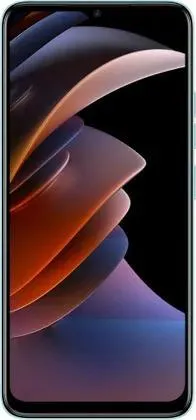
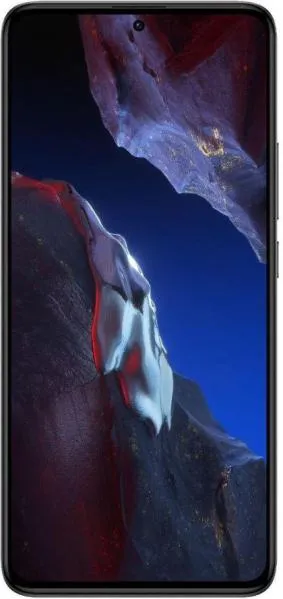
| Feature | Tecno Spark 10 5G | Xiaomi Poco F5 Pro | Practical Impact |
|---|---|---|---|
| Design | |||
| Dimensions (mm) | 164.4 x 75.5 x 8.4 | 162.8 x 75.4 x 8.6 | Poco F5 Pro is slightly shorter and narrower, but negligibly thicker. Real-world difference in size is minimal. |
| Weight (g) | 0 (Missing Data) | 204 | Cannot compare weight without Tecno's data. However, 204g is average for a phone this size. |
| Build | Not specified | Not specified | Build materials affect durability and premium feel. This information is missing for both. |
| Display | |||
| Display Type | IPS LCD, 90Hz | AMOLED, 120Hz | Poco F5 Pro's AMOLED offers deeper blacks, more vibrant colors, and higher peak brightness. The 120Hz refresh rate provides smoother animations than the 90Hz on the Spark 10 5G. |
| Display Size | 6.6" | 6.67" | Negligible difference in screen real estate. |
| Resolution | 720 x 1612 (267 ppi) | 1440 x 3200 (526 ppi) | Poco F5 Pro has significantly sharper and more detailed visuals due to much higher resolution and pixel density. |
| HDR | No | HDR10+, Dolby Vision | Poco F5 Pro supports HDR content resulting in a noticeably improved viewing experience for compatible videos and games with better dynamic range. |
| Performance | |||
| Chipset | Mediatek Dimensity 6020 (7 nm) | Qualcomm Snapdragon 8+ Gen 1 (4 nm) | Poco F5 Pro boasts a significantly more powerful processor, resulting in much faster performance in demanding tasks, gaming, and multitasking. |
| CPU | Octa-core (2x2.2 GHz A76 & 6x2.0 GHz A55) | Octa-core (1x3.0 GHz X2 & 3x2.5 GHz A710 & 4x1.80 GHz A510) | The Poco F5 Pro's CPU architecture is more powerful and efficient, leading to a substantial performance advantage. |
| GPU | Mali-G57 MC2 | Adreno 730 | Poco F5 Pro offers significantly better graphics performance, enabling higher frame rates and smoother gameplay in demanding games. |
| RAM | 8GB | 8/12GB | Poco F5 Pro offers a 12GB RAM option, providing even better multitasking and demanding application performance. |
| Camera | |||
| Main Camera | 50MP, f/1.6 | 64MP, f/1.79, OIS | Poco F5 Pro's main camera has a slightly higher resolution and Optical Image Stabilization (OIS) for steadier photos and videos, especially in low light. |
| Video Recording | 1080p@30fps | 8K@24fps, 4K@60fps | Poco F5 Pro offers significantly higher resolution video recording capabilities. |
| Battery | |||
| Capacity | 5000 mAh | 5160 mAh | Marginally larger battery on the Poco F5 Pro, but real-world battery life depends on optimization and usage patterns. |
2. Key Differences Analysis
Tecno Spark 10 5G Advantages:
- Potentially Lower Price: Based on the "medium price" designation and limited availability information, it's likely considerably cheaper than the Poco F5 Pro.
Xiaomi Poco F5 Pro Advantages:
- Significantly Superior Performance: The Snapdragon 8+ Gen 1 chip offers a massive performance leap over the Dimensity 6020.
- Much Better Display: The AMOLED display with 120Hz and HDR support provides a dramatically better viewing experience.
- Enhanced Camera Capabilities: OIS, higher resolution sensor, and 8K video recording offer substantial improvements.
- More Features: NFC for contactless payments.
3. User Profiles & Recommendations
Tecno Spark 10 5G: Budget-conscious users who prioritize basic functionality: calling, texting, social media, light web browsing. Not recommended for demanding tasks or gaming.
Xiaomi Poco F5 Pro: Users who demand top-tier performance, a premium display, and advanced camera features. Ideal for mobile gamers, content creators, and power users.
4. Decision Framework
Key Questions:
- What is your budget? The Poco F5 Pro is significantly more expensive.
- What are your primary use cases? Basic tasks vs. demanding games/apps.
- How important is display quality? The AMOLED screen on the Poco F5 Pro is a significant upgrade.
My Choice: Xiaomi Poco F5 Pro
While the Tecno Spark 10 5G likely has a lower price point, the Poco F5 Pro offers vastly superior performance, display, and camera capabilities. The Snapdragon 8+ Gen 1, the AMOLED display with 120Hz, and the OIS-enabled camera make it a significantly better device for a wider range of users. Even though the price is higher, the value proposition leans heavily towards the Poco F5 Pro for its future-proof performance and premium features. The substantial improvements in core areas like performance and display justify the price difference for me. I prioritize a smooth and enjoyable user experience, which the Poco F5 Pro delivers in spades.
