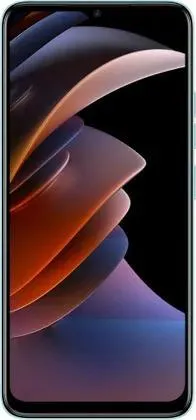
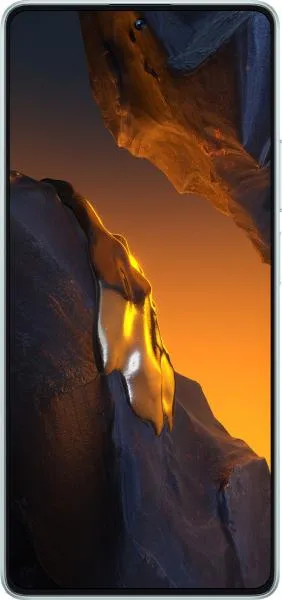
1. Specifications Comparison
| Feature | Tecno Spark 10 5G | Xiaomi Poco F5 | Practical Impact |
|---|---|---|---|
| Design | |||
| Dimensions (mm) | 164.4 x 75.5 x 8.4 | 161.1 x 75 x 7.9 | Poco F5 is slightly smaller and thinner. |
| Weight (g) | 0 (Missing data) | 181 | Cannot compare weight without Spark 10's data, but Poco F5's weight is typical for its size. |
| Build | Not specified | Not specified | Build quality and materials cannot be compared. |
| Display | |||
| Display Type | IPS LCD, 90Hz | AMOLED, 120Hz | Poco F5 offers superior contrast, deeper blacks, and smoother scrolling due to AMOLED and higher refresh rate. |
| Display Size | 6.6" | 6.67" | Negligible difference in size. |
| Resolution | 720 x 1612 (267 ppi) | 1080 x 2400 (395 ppi) | Poco F5 has significantly sharper and more detailed visuals. |
| HDR | No | HDR10+, Dolby Vision | Poco F5 supports HDR content for a wider dynamic range and richer colors in compatible media. |
| Performance | |||
| Chipset | Mediatek Dimensity 6020 (7 nm) | Qualcomm Snapdragon 7+ Gen 2 (4 nm) | Poco F5 boasts a significantly more powerful and efficient processor, resulting in much faster performance for demanding tasks and gaming. |
| CPU | Octa-core (2x2.2 GHz A76 & 6x2.0 GHz A55) | Octa-core (1x2.91 GHz X2 & 3x2.49 GHz A710 & 4x1.8 GHz A510) | Poco F5's CPU architecture is more modern and powerful, delivering a noticeable performance advantage. |
| GPU | Mali-G57 MC2 | Adreno 725 | Poco F5's GPU offers substantially better graphics performance for gaming and visually demanding applications. |
| RAM | 8GB | 8GB/12GB | Both offer ample RAM for multitasking, but the Poco F5 offers a 12GB option for even more headroom. |
| Camera | |||
| Main Camera | 50MP, f/1.6 | 64MP, f/1.79, OIS | Poco F5's main camera has a higher resolution and Optical Image Stabilization (OIS) for sharper images and videos, especially in low light. |
| Ultrawide | No | 8MP, f/2.2 | Poco F5 offers ultrawide photography for capturing broader scenes. |
| Macro | 2MP, f/2.4 | 2MP, f/2.4 | Macro camera specifications are similar. |
| Selfie | 8MP, f/2.0 | 16MP, f/2.45 | Poco F5 has a higher resolution selfie camera. |
| Battery | |||
| Capacity | 5000 mAh | 5000 mAh | Similar battery capacity. Real-world battery life will depend on usage and the Poco F5's more efficient processor might offer better longevity. |
| Charging Speed | Not specified | Not specified | Cannot compare charging speeds without specific data. |
| Other | |||
| NFC | No | Yes | Poco F5 supports contactless payments and data transfer via NFC. |
| OS | Android 13 | Android 13 (upgradable to 14) | Poco F5 offers longer software support with the guaranteed upgrade to Android 14. |
2. Key Differences Analysis
Poco F5 Advantages:
- Significantly superior performance: The Snapdragon 7+ Gen 2 chipset offers a substantial performance leap over the Dimensity 6020.
- Better display: AMOLED technology, higher resolution, 120Hz refresh rate, and HDR support result in a vastly improved visual experience.
- Enhanced camera system: OIS, higher resolution main sensor, and an ultrawide lens enhance photographic capabilities.
- Longer software updates: Guaranteed upgrade to Android 14 ensures longer-term security and feature updates.
- NFC: Enables contactless payments and data transfer.
Tecno Spark 10 5G Advantages:
- Potentially lower price: While specific pricing isn't available, Tecno devices generally target a more budget-conscious market.
3. User Profiles & Recommendations
Poco F5: Ideal for users who prioritize performance, a high-quality display, a versatile camera, and longer software support. Suitable for demanding tasks like gaming, content creation, and media consumption.
Tecno Spark 10 5G: Suitable for users on a tight budget who prioritize basic functionality and 5G connectivity. Best for light usage like web browsing, social media, and casual photography.
4. Decision Framework
Key Questions:
- What is your budget? The Poco F5 is likely more expensive.
- What are your primary use cases? Gaming and demanding tasks favor the Poco F5.
- How important is display quality? The Poco F5's AMOLED display is significantly better.
My Choice: Xiaomi Poco F5
The Poco F5 is the clear winner due to its superior performance, display, camera, and features like NFC and longer software support. While the Tecno Spark 10 5G might offer a lower price point, the substantial improvements across the board make the Poco F5 a much more compelling device for most users. The performance difference alone would significantly impact the day-to-day user experience, making the Poco F5 a more future-proof investment. The lack of weight information for the Spark 10 5G and build materials for both phones prevents a complete analysis, but doesn't detract from the Poco F5's clear advantages based on the available data.
