1. Specifications Comparison
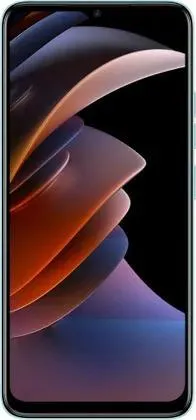
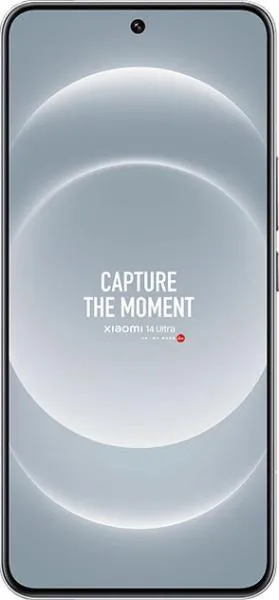
| Feature | Tecno Spark 10 5G | Xiaomi 14 Ultra | Practical Impact |
|---|---|---|---|
| Design | |||
| Dimensions (mm) | 164.4 x 75.5 x 8.4 | 161.4 x 75.3 x 9.2 | Xiaomi 14 Ultra is slightly shorter, narrower, but thicker. Tecno Spark 10 5G might feel slightly lighter in hand, but the weight for the Spark is missing. |
| Weight (g) | 0 (Missing) | 229.5 | Xiaomi is heavier, likely due to premium materials and camera hardware. |
| Display | |||
| Display Type | IPS LCD, 90Hz | LTPO AMOLED, 120Hz | Xiaomi offers significantly better display quality with deeper blacks, richer colors, smoother scrolling, and higher peak brightness for better outdoor visibility. LTPO allows for dynamic refresh rate adjustment, saving battery. |
| Display Size | 6.6" | 6.73" | Negligible size difference. |
| Resolution | 720 x 1612 | 1440 x 3200 | Xiaomi boasts much sharper and more detailed visuals due to significantly higher resolution. |
| Refresh Rate | 90Hz | 120Hz | Xiaomi provides a smoother and more responsive user experience, especially noticeable in gaming and scrolling. |
| Performance | |||
| Chipset | Mediatek Dimensity 6020 (7 nm) | Qualcomm Snapdragon 8 Gen 3 (4 nm) | Xiaomi significantly outperforms in processing power, enabling smoother multitasking, faster app loading, and better gaming performance. |
| CPU | Octa-core (2x2.2 GHz A76 & 6x2.0 GHz A55) | Octa-core (1x3.3 GHz X4 & 3x3.2 GHz A720 & 2x3.0 GHz A720 & 2x2.3 GHz A520) | Xiaomi's CPU architecture is newer and more powerful. |
| GPU | Mali-G57 MC2 | Adreno 750 | Xiaomi's GPU offers significantly better graphics performance for demanding games and applications. |
| RAM | 8GB | 16GB | Xiaomi offers double the RAM, enabling smoother multitasking and preventing apps from closing in the background. |
| Camera | |||
| Rear Camera | 50MP Main, 2MP Macro | 50MP Main (1" Sensor), 50MP Wide, 50MP Telephoto (3.2x), 50MP Periscope Telephoto (5x) | Xiaomi offers a vastly superior camera system with a larger main sensor, multiple zoom lenses for versatility, and advanced features like variable aperture. |
| Front Camera | 8MP | 32MP | Xiaomi's front-facing camera offers significantly higher resolution for better selfies and video calls. |
| Battery | |||
| Capacity | 5000 mAh | 5000 mAh | Similar battery capacity, but Xiaomi's LTPO display and more efficient processor might result in better battery life. |
2. Key Differences Analysis
Xiaomi 14 Ultra Advantages:
- Superior Display: Significantly better quality, resolution, refresh rate, and brightness.
- Flagship Performance: Much more powerful processor and GPU for demanding tasks and gaming.
- Advanced Camera System: Versatile with multiple lenses, larger sensor, and advanced features.
- Premium Build: Likely utilizes higher quality materials (although specifics are missing).
Tecno Spark 10 5G Advantages:
- Potentially Lighter: May be lighter in hand, depending on the actual weight (missing specification).
- Lower Price: Likely significantly more affordable.
3. User Profiles & Recommendations
Tecno Spark 10 5G: Budget-conscious users who prioritize basic functionality (calling, texting, social media) and light gaming.
Xiaomi 14 Ultra: Users who demand top-tier performance, a premium display, an advanced camera system, and are willing to pay a premium price. Ideal for power users, mobile photographers, and gamers.
4. Decision Framework
Key Questions for Buyers:
- What is your budget? The Xiaomi 14 Ultra is significantly more expensive.
- What are your primary use cases? Basic tasks vs. demanding applications, gaming, photography.
- How important is display and camera quality? The Xiaomi vastly outperforms in these areas.
Scenario-Based Recommendations:
- Limited Budget: Tecno Spark 10 5G
- Best Possible Camera: Xiaomi 14 Ultra
- Smooth Gaming Performance: Xiaomi 14 Ultra
My Choice: Xiaomi 14 Ultra
While significantly more expensive, the Xiaomi 14 Ultra offers a substantial upgrade in every aspect. The superior display, flagship performance, and advanced camera system make it a clear winner for me. I prioritize a smooth and responsive user experience, high-quality visuals, and the ability to capture stunning photos and videos. The price difference is justified by the significant leap in capabilities. Even if budget were a major concern, I would save up for the Xiaomi 14 Ultra rather than compromising on these key features.
