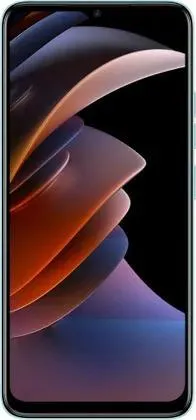
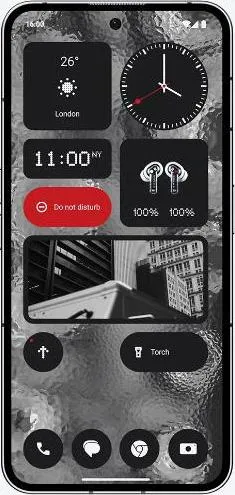
1. Specifications Comparison
| Feature | Tecno Spark 10 5G | Nothing Phone (2) | Practical Impact |
|---|---|---|---|
| Design | |||
| Dimensions (mm) | 164.4 x 75.5 x 8.4 | 162.1 x 76.4 x 8.6 | Negligible size difference; Nothing Phone (2) slightly heavier (201g vs. unknown for Spark) |
| Weight (g) | 0 (Missing Data) | 201.2 | Weight impacts comfort; can't compare without Spark 10's weight. |
| Display | |||
| Display Type | IPS LCD, 90Hz | LTPO OLED, 120Hz | OLED offers deeper blacks, better contrast, and potential power savings due to LTPO; 120Hz provides smoother scrolling than 90Hz. |
| Resolution | 720 x 1612 | 1080 x 2412 | Significantly sharper and more detailed visuals on the Nothing Phone (2). |
| PPI | 267 | 394 | Noticeably crisper text and images on the Nothing Phone (2). |
| Peak Brightness (nits) | Missing Data | 1600 | Brightness impacts outdoor visibility; can't compare without Spark 10's data. |
| Performance | |||
| Chipset | Mediatek Dimensity 6020 (7 nm) | Qualcomm Snapdragon 8+ Gen 1 (4 nm) | Significantly faster and more powerful performance on the Nothing Phone (2), enabling smoother multitasking and demanding gaming. |
| CPU | Octa-core (2x2.2 GHz A76 & 6x2.0 GHz A55) | Octa-core (1x3.0 GHz X2 & 3x2.5 GHz A710 & 4x1.8 GHz A510) | Faster CPU in Nothing Phone (2) results in snappier app loading and responsiveness. |
| GPU | Mali-G57 MC2 | Adreno 730 | Much more powerful GPU in the Nothing Phone (2) allows for higher graphic settings in games and smoother graphics rendering. |
| RAM | 8GB | 8/12GB | 12GB option on Nothing Phone (2) enables better multitasking and background app retention. |
| Camera | |||
| Main Camera | 50MP, f/1.6 | 50MP, f/1.88, Sony IMX890 | Both have 50MP sensors, but the Nothing Phone (2) utilizes a known high-quality sensor (Sony IMX890) with optical image stabilization (OIS) for potentially superior image quality, especially in low light. |
| Ultrawide/Macro | 2MP | 50MP, Samsung S5KJN1 | Significantly better ultrawide/macro camera on the Nothing Phone (2) with a higher resolution sensor. |
| Video Recording | 1080p@30fps | 4K@60fps with HDR, OIS, EIS | Nothing Phone (2) offers much higher resolution video recording with advanced stabilization and HDR for superior video quality. |
| Battery | |||
| Capacity | 5000 mAh | 4700 mAh | Slightly larger battery in the Spark 10 5G; however, real-world battery life depends on optimization and usage patterns. |
2. Key Differences Analysis
Tecno Spark 10 5G Advantages:
- Potentially longer battery life: The larger battery capacity suggests potential for longer usage, though real-world results can vary.
- More affordable: Belongs to a "medium price" range, suggesting a lower cost than the Nothing Phone (2).
Nothing Phone (2) Advantages:
- Significantly superior performance: The Snapdragon 8+ Gen 1 offers a substantial performance advantage for demanding tasks and gaming.
- Higher quality display: The OLED display with 120Hz refresh rate and HDR support provides a significantly better visual experience.
- More capable camera system: Improved sensors, OIS, and 4K video recording capabilities offer superior photo and video quality.
- More premium features: NFC for contactless payments, faster charging, and software updates guaranteed for longer.
3. User Profiles & Recommendations
Tecno Spark 10 5G: Budget-conscious users prioritizing basic communication, social media, and light web browsing. Ideal for users seeking long battery life without demanding performance.
Nothing Phone (2): Users who prioritize performance, high-quality display, a good camera, and a more premium overall experience. Suitable for demanding tasks, gaming, content creation, and mobile photography.
4. Decision Framework
Key Questions for Buyers:
- What is your budget? The Nothing Phone (2) is significantly more expensive.
- What are your primary smartphone uses? Basic tasks vs. demanding applications and gaming.
- How important are display quality and camera performance? The Nothing Phone (2) significantly excels in these areas.
My Choice: Nothing Phone (2)
While the Tecno Spark 10 5G might offer better battery life and a lower price, the Nothing Phone (2) is the superior device overall. The significant performance difference, higher quality display, more versatile camera system, and inclusion of NFC make it a much more compelling option for my needs. I prioritize a smooth and responsive user experience, a great display for media consumption, and a capable camera. The price difference is justified by the significant upgrade in features and overall quality. Even without knowing the Spark 10 5G's weight or peak display brightness, the Nothing Phone (2)'s advantages in key areas are decisive.
