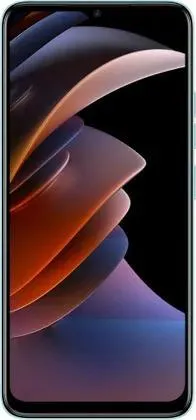
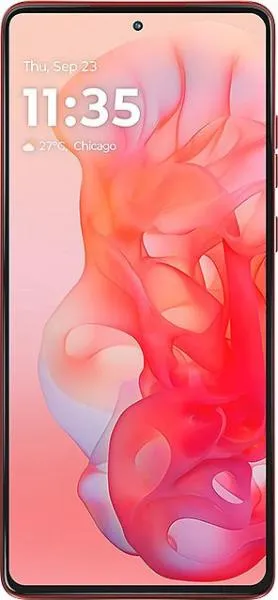
1. Specifications Comparison
| Feature | Tecno Spark 10 5G | Motorola Moto G Stylus 5G (2024) | Practical Impact |
|---|---|---|---|
| Design | |||
| Dimensions (mm) | 164.4 x 75.5 x 8.4 | 162.6 x 74.8 x 8.3 | Moto G Stylus is slightly smaller and may feel more comfortable in hand. |
| Weight (g) | 0 (Missing Data) | 190 | Cannot compare weight without Tecno's data. |
| Build Material | Not specified | Not specified | Build quality and durability cannot be compared. |
| Display | |||
| Display Type | IPS LCD | P-OLED | Moto G Stylus will have deeper blacks, more vibrant colors, and potentially better power efficiency. |
| Size (inches) | 6.6 | 6.7 | Moto G Stylus offers a slightly larger screen. |
| Resolution | 720 x 1612 | 1080 x 2400 | Moto G Stylus has a significantly sharper and more detailed display. |
| Refresh Rate (Hz) | 90 | 120 | Moto G Stylus provides smoother scrolling and animations. |
| Peak Brightness (nits) | Not specified | 1200 | Moto G Stylus likely offers better outdoor visibility. |
| Performance | |||
| Chipset | Mediatek Dimensity 6020 (7nm) | Qualcomm Snapdragon 6 Gen 1 (4nm) | Snapdragon 6 Gen 1 generally offers better performance and efficiency. |
| CPU | Octa-core (2x2.2 GHz A76 & 6x2.0 GHz A55) | Octa-core (4x2.2 GHz A78 & 4x1.8 GHz A55) | Moto G Stylus has a more powerful CPU architecture leading to better performance in demanding tasks. |
| GPU | Mali-G57 MC2 | Adreno 710 | Adreno 710 offers superior graphics performance for gaming and media consumption. |
| RAM (GB) | 8 | 8 | RAM is equal, but the Moto G Stylus's superior processor will likely utilize it more effectively. |
| Camera | |||
| Main Camera (MP) | 50 | 50 | Similar megapixel count, but sensor quality and other factors determine actual image quality. Moto G Stylus has OIS for better stabilization. |
| Selfie Camera (MP) | 8 | 32 | Moto G Stylus has a significantly better selfie camera. |
| Video Recording | 1080p@30fps | 4K@30fps, 1080p@120fps | Moto G Stylus offers higher resolution and frame rate video recording capabilities. |
| Battery | |||
| Capacity (mAh) | 5000 | 5000 | Battery capacities are the same; real-world battery life will depend on software optimization and display efficiency. |
| Charging Speed | Not specified | Not specified | Charging speeds cannot be compared. |
| Other | |||
| OS | Android 13 | Android 14 | Moto G Stylus comes with a newer Android version out-of-the-box, offering potential feature and security advantages. |
| NFC | No | Yes | Moto G Stylus supports contactless payments and data transfer. |
| Stylus | No | Yes | Moto G Stylus includes a stylus for note-taking and drawing. |
2. Key Differences Analysis
Motorola Moto G Stylus 5G (2024) Advantages:
- Significantly better display: Higher resolution, refresh rate, OLED technology.
- More powerful processor and GPU: Smoother performance in demanding tasks and gaming.
- Higher quality cameras: Better selfie camera, 4K video recording, Optical Image Stabilization.
- Newer Android version: Access to latest features and security updates.
- Included Stylus: Enables note-taking and drawing.
- NFC: Enables contactless payments.
Tecno Spark 10 5G Advantages:
- Potentially lower price: While not explicitly stated, Tecno phones are generally more budget-friendly.
3. User Profiles & Recommendations
Tecno Spark 10 5G: Budget-conscious users who prioritize basic functionality like calling, texting, and web browsing.
Motorola Moto G Stylus 5G (2024): Users who value a high-quality display, smooth performance, good cameras, the latest Android features, and the utility of a stylus. This phone is suitable for content consumption, mobile gaming, note-taking, and creative tasks.
4. Decision Framework
Key Questions:
- What is your budget? The Tecno is likely cheaper.
- What are your primary smartphone uses? Basic tasks vs. demanding apps, gaming, or creative work.
- Do you value display quality, camera performance, and having a stylus?
Scenario-Based Recommendations:
- Tight budget, basic usage: Tecno Spark 10 5G.
- Balanced budget, all-around good phone: Motorola Moto G Stylus 5G (2024).
- Student or creative professional needing a stylus: Motorola Moto G Stylus 5G (2024).
My Choice: Motorola Moto G Stylus 5G (2024)
Reasons:
While the Tecno Spark 10 5G might be more budget-friendly, the Motorola Moto G Stylus 5G (2024) offers significantly more value for the likely price difference. The vastly superior display, more powerful performance, better camera system, newer Android version, NFC functionality, and included stylus make it a much more compelling device for a wider range of users. The performance difference alone would drastically improve daily usability, and the stylus adds unique functionality. I prioritize a smooth user experience and a high-quality display, making the Moto G Stylus the clear winner for me.
