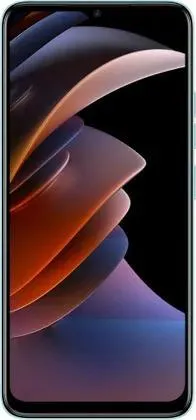
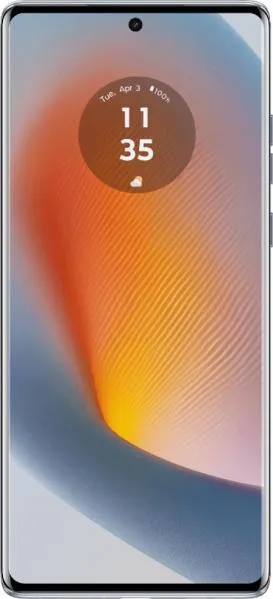
1. Specifications Comparison
| Feature | Tecno Spark 10 5G | Motorola Edge 50 Fusion | Practical Impact |
|---|---|---|---|
| Design | |||
| Dimensions (mm) | 164.4 x 75.5 x 8.4 | 161.9 x 73.1 x 7.9 | Edge 50 Fusion is slightly smaller and thinner. |
| Weight (g) | 0 (Missing Data) | 174.9 | Can't compare weight without Spark 10's data. |
| Build Materials | Not specified | Not specified | Build quality and durability comparison not possible. |
| Display | |||
| Display Type | IPS LCD, 90Hz | P-OLED, 120/144Hz | Edge 50 Fusion offers deeper blacks, more vibrant colors, and smoother scrolling thanks to OLED and higher refresh rate. Potentially better outdoor visibility with higher peak brightness (1600 nits on Edge 50 Fusion). |
| Size | 6.6" | 6.7" | Negligible size difference. |
| Resolution | 720 x 1612 | 1080 x 2400 | Edge 50 Fusion has significantly sharper visuals due to higher resolution. |
| PPI | 267 | 393 | Sharper text and images on the Edge 50 Fusion. |
| Performance | |||
| Chipset | Mediatek Dimensity 6020 (7 nm) | Qualcomm Snapdragon 7s Gen 2 (4 nm) | Edge 50 Fusion will likely have significantly better performance and efficiency due to a more powerful and newer chipset. |
| CPU | Octa-core (2x2.2 GHz A76 & 6x2.0 GHz A55) | Octa-core (4x2.4 GHz A78 & 4x1.95 GHz A55) | Edge 50 Fusion has faster and more powerful CPU cores, leading to smoother multitasking and faster app loading. |
| GPU | Mali-G57 MC2 | Adreno 710 | Edge 50 Fusion should offer better gaming performance and graphics rendering. |
| RAM | 8GB | 8GB | Similar RAM capacity. |
| OS | Android 13 | Android 14 (upgradable to 17) | Edge 50 Fusion comes with a newer Android version and longer software update support, ensuring newer features and security patches. |
| Camera | |||
| Main Camera | 50MP, f/1.6 | 50MP, f/1.8, OIS | Edge 50 Fusion benefits from Optical Image Stabilization (OIS) for sharper images and videos, especially in low light. More detailed sensor information available for Edge 50 Fusion allows for a better technical assessment. |
| Selfie Camera | 8MP, f/1.8 | 32MP, f/2.45 | Significantly higher resolution selfie camera on the Edge 50 Fusion. |
| Video Recording | 1080p@30fps | Up to 4K@30fps with EIS | Edge 50 Fusion offers higher resolution video recording with electronic image stabilization. |
| Battery | |||
| Capacity | 5000 mAh | 5000 mAh | Similar battery capacity. Real-world battery life will depend on software optimization and usage patterns. |
2. Key Differences Analysis
Motorola Edge 50 Fusion Advantages:
- Superior Display: OLED technology with higher resolution, refresh rate, and peak brightness.
- Significantly Better Performance: More powerful and efficient chipset.
- More Advanced Camera System: OIS on the main camera, higher resolution selfie camera, 4K video recording.
- Longer Software Support: Comes with Android 14 and guaranteed updates to Android 17.
- More Connectivity Features: NFC enabled, Wi-Fi 6E, Bluetooth 5.3.
Tecno Spark 10 5G Advantages:
- Potentially Lower Price: (Based on general brand positioning, but specific price comparison is not possible with the provided data.)
3. User Profiles & Recommendations
Tecno Spark 10 5G: Budget-conscious users who prioritize basic functionality and 5G connectivity. Suitable for light usage like calling, texting, web browsing, and social media.
Motorola Edge 50 Fusion: Users who value a premium multimedia experience, smooth performance, better camera quality, and longer software support. Suitable for gaming, content creation, and demanding tasks.
4. Decision Framework
Key Questions for Buyers:
- What is your budget?
- What are your primary smartphone usage patterns?
- Which features are most important to you (e.g., display quality, performance, camera)?
Scenario-Based Recommendations:
- Limited Budget, Basic Usage: Tecno Spark 10 5G might be a better option.
- Prioritize Performance and Multimedia: Motorola Edge 50 Fusion is the clear winner.
My Choice: Motorola Edge 50 Fusion
The Motorola Edge 50 Fusion is a significantly better phone overall. While pricing information is incomplete, even with a potentially higher price, the Edge 50 Fusion offers superior value due to its significantly better display, performance, camera system, and longer software support. The improvements in these crucial areas far outweigh any potential price difference for most users. The Tecno Spark 10 5G might be acceptable for extremely budget-conscious buyers who only need basic functionality, but the lack of weight and build material information prevents a complete assessment of its value proposition. The Edge 50 Fusion's clear advantages in key areas make it the better choice for a broader range of users.
