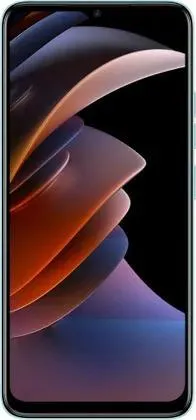
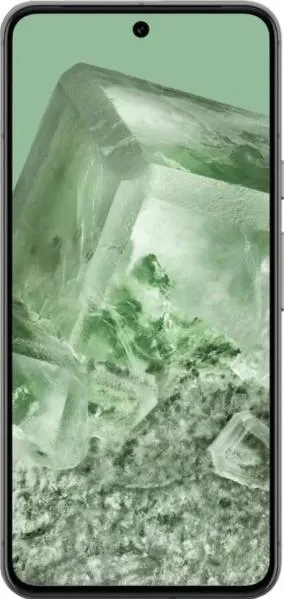
1. Specifications Comparison
| Feature | Tecno Spark 10 5G | Google Pixel 8 | Practical Impact |
|---|---|---|---|
| Design | |||
| Dimensions (mm) | 164.4 x 75.5 x 8.4 | 150.5 x 70.8 x 8.9 | Pixel 8 is noticeably smaller and more pocketable. |
| Weight (g) | 0 (Missing Data) | 187 | Cannot compare weight without Spark 10's data, but Pixel 8's weight is typical for its size. |
| Build | Not specified | Not specified | Build quality and materials impact durability and premium feel; information lacking for both. |
| Display | |||
| Display Type | IPS LCD, 90Hz | OLED, 120Hz | Pixel 8's OLED offers deeper blacks, higher contrast, and smoother scrolling thanks to the 120Hz refresh rate. Spark 10's 90Hz IPS is still smooth but less vibrant. |
| Size (inches) | 6.6 | 6.2 | Spark 10 offers a larger screen for media consumption, while Pixel 8 is more one-hand friendly. |
| Resolution | 720 x 1612 (267 ppi) | 1080 x 2400 (428 ppi) | Pixel 8 has significantly sharper and more detailed visuals due to much higher resolution. |
| HDR | No | HDR10+, 1400 nits (HBM), 2000 nits (peak) | Pixel 8 supports HDR content with much higher peak brightness, resulting in a superior viewing experience in bright conditions and for HDR videos. |
| Performance | |||
| Chipset | Mediatek Dimensity 6020 (7 nm) | Google Tensor G3 (4 nm) | Tensor G3 is a significantly more powerful and efficient chip, enabling faster performance, smoother multitasking, and advanced AI capabilities. |
| CPU | Octa-core (2x2.2 GHz A76 & 6x2.0 GHz A55) | Nona-core (1x3.0 GHz X3 & 4x2.45 GHz A715 & 4x2.15 GHz A510) | Pixel 8's CPU architecture is more modern and powerful, especially for demanding tasks. |
| GPU | Mali-G57 MC2 | Immortalis-G715s MC10 | Pixel 8's GPU offers a major leap in graphics performance, crucial for gaming and graphically demanding applications. |
| RAM | 8GB | 8GB | RAM is equal, but the faster processor in Pixel 8 will likely result in better RAM management. |
| OS | Android 13 | Android 14 (guaranteed updates to 21) | Pixel 8 runs the latest Android version with much longer software support, ensuring security and new features for years. |
| Camera | |||
| Main Camera | 50MP, f/1.6 | 50MP, f/1.69, Samsung GNV sensor | Similar resolution, but Pixel 8 benefits from Google's advanced image processing and a higher quality sensor, likely resulting in superior image quality. |
| Ultrawide | Not specified | 12MP, f/2.2 | Pixel 8 offers ultrawide photography for broader perspectives, a feature missing on the Spark 10. |
| Selfie | 8MP, f/1.8 | 10.8MP, f/2.2, Samsung S5K3J1 sensor | Pixel 8 has a higher resolution selfie camera with a known high-quality sensor. |
| Video | 1080p@30fps | Up to 4K@60fps with HDR, OIS, EIS | Pixel 8 offers significantly better video recording capabilities with higher resolution, frame rates, HDR, and stabilization. |
| Battery | |||
| Capacity | 5000 mAh | 4575 mAh | Spark 10 has a larger battery capacity on paper, but real-world battery life depends heavily on software optimization and chip efficiency, where Pixel 8 excels. |
| Charging | USB Type-C 2.0 | USB Type-C 3.2 | Pixel 8's USB 3.2 offers potentially faster data transfer speeds, though charging speeds are not specified for either phone. |
2. Key Differences Analysis
Tecno Spark 10 5G Advantages:
- Larger Display: Provides more screen real estate for media consumption.
- Potentially Longer Battery Life: Larger battery capacity suggests potential for longer uptime, but real-world usage will vary.
Google Pixel 8 Advantages:
- Significantly Superior Performance: The Tensor G3 chip offers a substantial performance advantage for demanding tasks and gaming.
- Higher Quality Display: OLED technology with 120Hz, HDR support and higher resolution provides a vastly improved visual experience.
- Advanced Camera System: Google's computational photography and superior sensors likely result in significantly better photos and videos.
- Guaranteed Software Updates: Ensures long-term security and access to new features.
- More Compact Form Factor: Easier to handle and carry.
Trade-offs:
- The Pixel 8's smaller battery capacity might result in shorter battery life compared to the Spark 10, but this depends heavily on usage and optimization.
- The Spark 10's lower price makes it more accessible, but compromises significantly on performance, camera, and display quality.
3. User Profiles & Recommendations
Tecno Spark 10 5G:
- Ideal User: Budget-conscious users prioritizing basic communication, social media, and light content consumption. Users who prioritize a large screen and potential for long battery life above all else.
- Use Cases: Casual web browsing, social media, making calls, watching standard definition videos.
Google Pixel 8:
- Ideal User: Users who value a premium smartphone experience with excellent performance, a great camera, long-term software support, and a vibrant display.
- Use Cases: Demanding mobile gaming, photography and videography, multitasking, utilizing AI-powered features, consuming HDR content.
4. Decision Framework
Key Questions for Buyers:
- What is your budget? The Pixel 8 is significantly more expensive.
- What are your primary smartphone uses? Prioritize features that align with your needs (e.g., camera for photography enthusiasts, performance for gamers).
- How important is long-term software support? The Pixel 8's guaranteed updates provide a longer lifespan and better security.
Scenario-Based Recommendations:
- Limited Budget: Tecno Spark 10 5G
- Best Overall Experience: Google Pixel 8
- Photography Enthusiast: Google Pixel 8
- Mobile Gamer: Google Pixel 8
My Choice: Google Pixel 8
While lacking some specific details like the Spark 10's weight, the Pixel 8 is the clear winner for me. The superior performance, significantly better display and camera system, guaranteed software updates, and compact form factor outweigh the price difference and potentially smaller battery. The Tensor G3, combined with Google's software expertise, offers a level of user experience that the Spark 10 simply cannot match. Even if battery life is slightly shorter, the overall advantages of the Pixel 8 make it a far more compelling device for a broader range of users. The long-term value proposition of the Pixel 8, due to extended software support and superior hardware, solidifies my choice.
