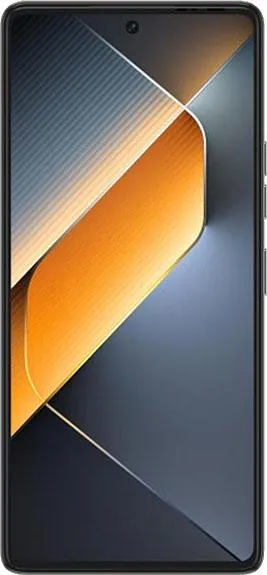
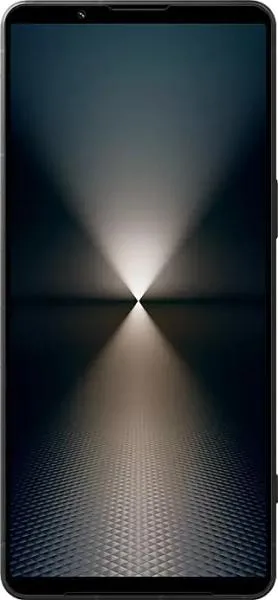
Tecno Pova 6 Pro vs. Sony Xperia 1 VI: A Detailed Comparison
The mid-range smartphone market is heating up, with contenders like the Tecno Pova 6 Pro and Sony Xperia 1 VI vying for your attention. While both fall under the "medium price" category, their strengths and weaknesses cater to distinct user profiles. Let's dissect their specifications and uncover which device reigns supreme for various needs.
1. Specifications Breakdown
| Feature | Tecno Pova 6 Pro | Sony Xperia 1 VI | Real-World Implications |
|---|---|---|---|
| Design | |||
| Dimensions | 165.5 x 76.1 x 7.9 mm | 162 x 74 x 8.2 mm | Xperia 1 VI is slightly more compact and pocketable. Pova 6 Pro is marginally thinner. |
| Weight | 198g | 192g | Xperia 1 VI is slightly lighter, reducing hand fatigue during extended use. |
| Display | |||
| Size | 6.78" | 6.5" | Pova 6 Pro offers a larger screen for immersive media consumption; Xperia 1 VI prioritizes one-handed usability. |
| Type | AMOLED, 120Hz | LTPO OLED, 120Hz | Both offer smooth scrolling and vibrant colors. LTPO on Xperia allows for dynamic refresh rate adjustment, potentially saving battery. |
| Resolution | 1080 x 2436 | 1080 x 2340 | Similar pixel density, resulting in sharp visuals on both devices. |
| Peak Brightness | 1300 nits | N/A | Pova 6 Pro's superior peak brightness ensures excellent outdoor visibility. |
| Performance | |||
| Chipset | Dimensity 6080 | Snapdragon 8 Gen 3 | Xperia 1 VI boasts significantly more powerful CPU and GPU, enabling smoother multitasking and high-end gaming. |
| CPU | Octa-core (2x2.4 GHz A76 & 6x2.0 GHz A55) | Octa-core (1x3.3 GHz X4 & 3x3.2 GHz A720 & 2x3.0 GHz A720 & 2x2.3 GHz A520) | Xperia 1 VI's superior core configuration and clock speeds translate to a substantial performance advantage. |
| RAM | 12GB | 12GB | Both offer ample RAM for smooth multitasking. |
| Storage | 256GB | 512GB | Xperia 1 VI provides double the internal storage. |
| Battery | |||
| Capacity | 6000mAh | 5000mAh | Pova 6 Pro's larger battery likely results in longer battery life. |
2. Key Insights
Performance: The Xperia 1 VI is the clear winner, powered by the flagship Snapdragon 8 Gen 3. This translates to a noticeably smoother experience, especially in demanding tasks like gaming and video editing. The Pova 6 Pro, with its Dimensity 6080, targets everyday usability rather than peak performance.
Display: Both phones offer excellent displays with vibrant colors and smooth 120Hz refresh rates. The Pova 6 Pro's higher peak brightness gives it an edge in outdoor readability. The Xperia 1 VI's LTPO panel potentially offers better battery efficiency through dynamic refresh rate scaling. The Pova 6 Pro offers a slightly larger display, while the Xperia 1 VI is slightly more compact.
Battery Life: The Pova 6 Pro's larger 6000mAh battery likely provides longer endurance. The Xperia's smaller battery is paired with a more power-efficient display technology, potentially mitigating the difference. Real-world battery life will depend on usage patterns.
Price-to-Performance: While both are mid-range, the Xperia 1 VI likely commands a higher price due to its flagship-level processor. The Pova 6 Pro positions itself as a value-for-money option, prioritizing essentials like a large battery and display.
3. User Profiles and Recommendations
Tecno Pova 6 Pro: Ideal for budget-conscious users who prioritize battery life, a large display for media consumption, and reliable everyday performance. Suitable for social media, web browsing, casual gaming, and extended use without frequent charging.
Sony Xperia 1 VI: Geared towards users who demand top-tier performance, appreciate a compact form factor, and value advanced features. Well-suited for demanding tasks like mobile gaming, video editing, and multitasking. A strong contender for photography enthusiasts, although camera details were not provided.
4. Buying Decision Framework
What is your budget? The Xperia 1 VI, with its flagship processor, will likely be more expensive.
What is your primary use case? For everyday tasks and long battery life, the Pova 6 Pro might suffice. For demanding applications and gaming, the Xperia 1 VI is the better choice.
Do you prioritize performance or battery life? The Xperia 1 VI excels in performance, while the Pova 6 Pro likely offers superior battery endurance. The Xperia 1 VI aims to balance performance and battery life with its power-efficient display.
