1. Specifications Comparison
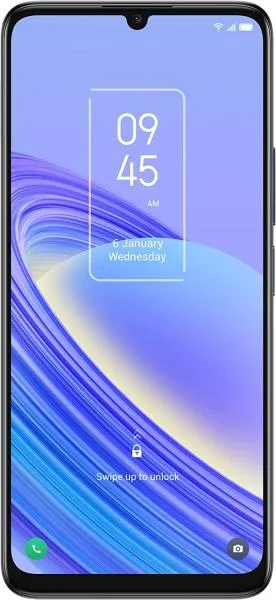
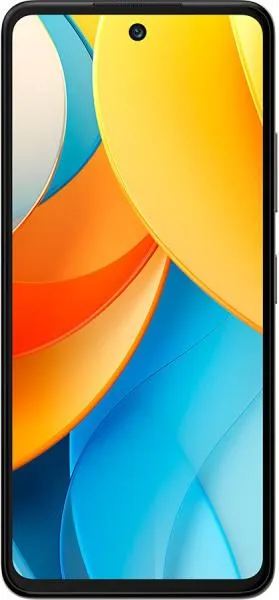
| Feature | TCL 40 SE | ZTE Blade V60 Design | Practical Impact |
|---|---|---|---|
| Design | |||
| Dimensions (mm) | 167.9 x 76.5 x 8.5 | 164.2 x 75.3 x 8.6 | ZTE is slightly smaller and might feel more comfortable in hand. |
| Weight (g) | 190 | 198 | Negligible weight difference; both are relatively lightweight. |
| Display | |||
| Size (inches) | 6.75 | 6.6 | TCL offers a slightly larger screen for more immersive media consumption. |
| Resolution (pixels) | 720 x 1600 | 720 x 1612 | Virtually identical resolution; expect similar sharpness. |
| Refresh Rate (Hz) | 90 | 90 | Both offer smooth scrolling and animations thanks to the 90Hz refresh rate. |
| Display Type | IPS LCD | IPS LCD | Similar display technology; expect comparable color accuracy and viewing angles. TCL specifies 450 nits typical brightness, while ZTE doesn't specify, making brightness comparison impossible. |
| Performance | |||
| Chipset | Mediatek Helio G37 | Unisoc T606 | Both are entry-level chipsets; expect comparable performance for basic tasks. The Unisoc T606, with its Cortex-A75 cores, might offer a slight edge in demanding applications. |
| CPU | Octa-core (4x2.3 GHz Cortex-A53 & 4x1.8 GHz Cortex-A53) | Octa-core (2x1.6 GHz Cortex-A75 & 6x1.6 GHz Cortex-A55) | ZTE's CPU architecture is more modern and potentially more powerful. |
| GPU | PowerVR GE8320 | Mali-G57 MP1 | Difficult to compare GPUs directly without benchmarks. Expect similar performance in casual gaming. |
| RAM (GB) | 4 | 4/6 (depending on version) | ZTE offers a 6GB RAM option, which can improve multitasking and app loading times compared to the 4GB on both. |
| Camera | |||
| Main Camera (MP) | 50 | 50 | Similar megapixel count; image quality will depend on sensor and processing. ZTE uses an ISOCELL sensor, while TCL doesn't specify the sensor type, limiting detailed comparison. |
| Other Cameras | 2MP Depth, 2MP Macro, 8MP Selfie | 2MP Depth, 0.3MP unspecified, 8MP Selfie | ZTE includes a curious 0.3MP camera with an unspecified purpose; its practical use is questionable. |
| Video Recording | 1080p@30fps | 1080p@30fps | Identical video recording capabilities. |
| Battery | |||
| Capacity (mAh) | 5010 | 5000 | Negligible difference in battery capacity; expect similar battery life. |
| Fast Charging | 18W | 22.5W | ZTE offers slightly faster charging. |
2. Key Differences Analysis
TCL 40 SE Advantages:
- Slightly larger display: Offers a more immersive experience for media consumption.
ZTE Blade V60 Design Advantages:
- Potentially more powerful CPU: The Unisoc T606 might offer better performance for demanding tasks and multitasking.
- Faster charging: Reduces downtime.
- 6GB RAM Option: Provides smoother multitasking.
- Gyroscope: Enables certain AR applications and gaming features.
Trade-offs:
- Both phones have low-resolution displays, which may be noticeable to some users.
- Camera quality is uncertain for both devices due to limited sensor information.
3. User Profiles & Recommendations
TCL 40 SE: Suitable for users prioritizing a large screen for media consumption on a budget and who primarily use their phone for basic tasks.
ZTE Blade V60 Design: Better suited for users who want a slightly more powerful device for multitasking and light gaming, and appreciate faster charging. The 6GB RAM option is a plus for power users.
4. Decision Framework
Key Questions for Buyers:
- What is your budget? Both are budget-friendly, but the ZTE might be slightly more expensive depending on the RAM configuration.
- What is your primary use case? Media consumption? Multitasking?
- How important is performance and charging speed?
My Choice: ZTE Blade V60 Design (6GB Version)
While the TCL 40 SE offers a slightly larger screen, the ZTE Blade V60 Design (specifically the 6GB RAM version) provides a more compelling overall package. Its potentially superior CPU architecture, faster charging, and extra RAM for smoother performance make it a more future-proof and versatile device. The slightly smaller screen size is a minor trade-off for these benefits. The price difference, if any, is likely to be small and worth the extra performance. While camera quality is uncertain for both, the inclusion of a gyroscope in the ZTE opens possibilities for certain applications and games that rely on motion sensing. Finally, although subjective, the ZTE comes in a wider variety of color options.
