1. Specifications Comparison
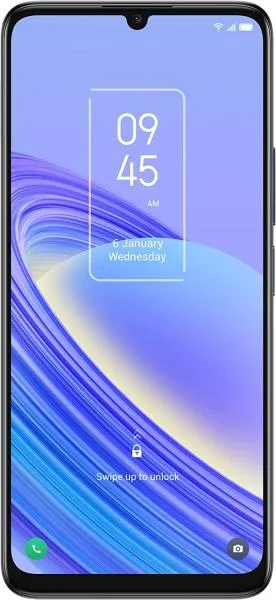
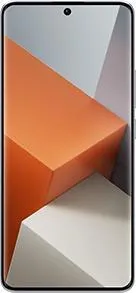
| Feature | TCL 40 SE | Xiaomi Redmi Note 13 Pro+ | Practical Impact |
|---|---|---|---|
| Design | |||
| Dimensions (mm) | 167.9 x 76.5 x 8.5 | 161.4 x 74.2 x 8.9 | Redmi is slightly smaller and thinner, potentially improving one-handed use. |
| Weight (g) | 190 | 199 | Negligible weight difference. |
| Build Material | Not specified | Not specified | Cannot compare build quality and durability. |
| Display | |||
| Display Type | IPS LCD | AMOLED | Redmi offers significantly better contrast, deeper blacks, and potentially brighter outdoor visibility. |
| Display Size (inches) | 6.75 | 6.67 | Virtually identical screen sizes. |
| Resolution | 720 x 1600 | 1220 x 2712 | Redmi has a much sharper display with noticeably higher pixel density, leading to crisper text and images. |
| Refresh Rate (Hz) | 90 | 120 | Redmi provides smoother scrolling and animations. |
| HDR | No | HDR10+, Dolby Vision | Redmi supports HDR content for a wider range of colors and dynamic range in compatible videos. |
| Performance | |||
| Chipset | Mediatek Helio G37 (12nm) | Mediatek Dimensity 7200 Ultra (4nm) | Redmi's significantly more powerful and efficient chipset results in much faster performance in demanding tasks and games. |
| CPU | Octa-core (4x2.3 GHz Cortex-A53 & 4x1.8 GHz Cortex-A53) | Octa-core (2x2.8 GHz Cortex-A715 & 6x2.0 GHz Cortex-A510) | Redmi boasts a newer CPU architecture with higher clock speeds, delivering superior processing power. |
| GPU | PowerVR GE8320 | Mali-G610 MC4 | Redmi offers a substantially more capable GPU, resulting in better gaming performance and smoother graphics rendering. |
| RAM | 4GB/6GB | 8GB/12GB/16GB | Redmi provides significantly more RAM, enabling better multitasking and preventing app closures in the background. |
| Camera | |||
| Main Camera (MP) | 50 | 200 | Redmi has a much higher resolution main camera sensor potentially capturing more detailed images. |
| Video Recording | 1080p@30fps | 4K@30fps with EIS | Redmi offers higher resolution video recording with electronic image stabilization for smoother footage. |
| Battery | |||
| Capacity (mAh) | 5010 | 5000 | Nearly identical battery capacities. |
| Fast Charging | 18W | 120W | Redmi offers dramatically faster charging speeds, minimizing downtime. |
2. Key Differences Analysis
TCL 40 SE Advantages:
- Lower Price: Positioned in the "low price" range, offering budget-conscious buyers an affordable option.
Redmi Note 13 Pro+ Advantages:
- Superior Performance: Significantly faster processor, GPU, and more RAM for smoother multitasking and gaming.
- Better Display: AMOLED display with higher resolution, refresh rate, and HDR support delivers a vibrant and immersive visual experience.
- Faster Charging: 120W fast charging drastically reduces charging time.
- More Capable Camera System: Higher resolution main camera and 4K video recording capabilities.
3. User Profiles & Recommendations
TCL 40 SE: Ideal for users with basic smartphone needs like calling, texting, browsing, and light social media usage. Best suited for budget-conscious buyers who prioritize affordability over performance and features.
Redmi Note 13 Pro+: Suitable for users who demand high performance for gaming, demanding applications, and multimedia consumption. Excellent choice for photography enthusiasts and those who value a premium display and fast charging.
4. Decision Framework
Key Questions for Buyers:
- What is your budget? The TCL 40 SE is significantly cheaper.
- What are your primary smartphone usage patterns? Basic tasks vs. demanding apps and gaming.
- How important are display quality, camera performance, and charging speed? The Redmi Note 13 Pro+ excels in these areas.
My Choice: Xiaomi Redmi Note 13 Pro+
While the TCL 40 SE offers an entry-level option for budget-conscious buyers, the Redmi Note 13 Pro+ is the clear winner for me. The superior performance, stunning AMOLED display, incredibly fast charging, and more capable camera system outweigh the price difference. The improved user experience offered by the Redmi Note 13 Pro+ across various tasks, from gaming to media consumption, makes it a much more compelling device in the long run. I value a smooth and responsive experience, a high-quality display, and fast charging, making the Redmi Note 13 Pro+ the better choice despite the higher price.
