1. Specifications Comparison
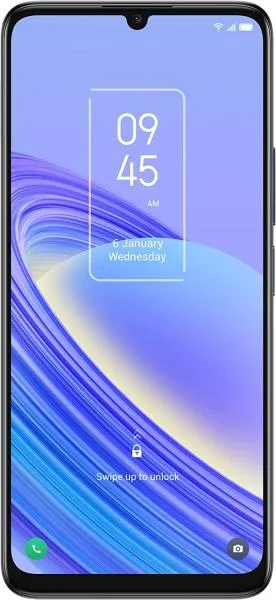
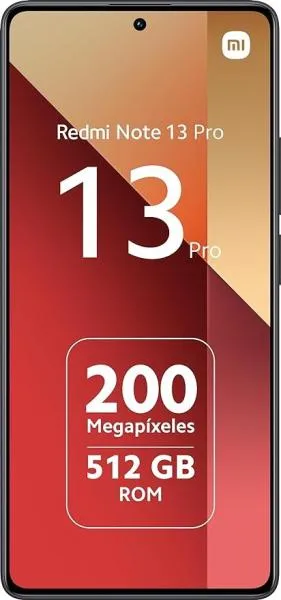
| Feature | TCL 40 SE | Xiaomi Redmi Note 13 Pro 4G | Practical Impact |
|---|---|---|---|
| Design | |||
| Dimensions (mm) | 167.9 x 76.5 x 8.5 | 161.1 x 75 x 8 | Redmi is slightly smaller and may feel more comfortable in hand. |
| Weight (g) | 190 | 188 | Negligible weight difference. |
| Display | |||
| Display Type | IPS LCD | AMOLED | AMOLED offers deeper blacks, more vibrant colors, and better power efficiency in dark mode. |
| Size (inches) | 6.75 | 6.67 | Virtually the same screen size. |
| Resolution | 720 x 1600 | 1080 x 2400 | Redmi has a significantly sharper and more detailed display. |
| Refresh Rate | 90Hz | 120Hz | Redmi provides smoother scrolling and animations. |
| Peak Brightness | 450 nits (typ), 900 nits (peak) | 500 nits (typ), 1300 nits (peak) | Redmi's display will be much more visible in sunlight. |
| Performance | |||
| Chipset | Mediatek Helio G37 | Mediatek Helio G99 Ultra | Redmi's G99 offers significantly better CPU and GPU performance for demanding tasks and gaming. |
| CPU | Octa-core (4x2.3 GHz Cortex-A53 & 4x1.8 GHz Cortex-A53) | Octa-core (2x2.2 GHz Cortex-A76 & 6x2.0 GHz Cortex-A55) | Redmi has more powerful cores for faster processing. |
| GPU | PowerVR GE8320 | Mali-G57 MC2 | Redmi offers a much more capable GPU for gaming and graphics-intensive applications. |
| RAM | 4GB/6GB | 8GB/12GB | Redmi offers more RAM for smoother multitasking and better performance with multiple apps. |
| Camera | |||
| Main Camera | 50MP | 200MP | Redmi boasts a higher resolution main sensor, potentially capturing more detail. However, megapixels alone don't guarantee image quality. |
| Front Camera | 8MP | 16MP | Redmi has a higher resolution front camera for better selfies. |
| Video Recording | 1080p@30fps | 1080p@30/60fps | Redmi offers more video recording options. |
| Battery | |||
| Capacity | 5010 mAh | 5000 mAh | Negligible difference in battery capacity. |
| Fast Charging | 18W | 67W | Redmi charges significantly faster. |
2. Key Differences Analysis
TCL 40 SE Advantages:
- Lower Price: Significantly more affordable.
Xiaomi Redmi Note 13 Pro 4G Advantages:
- Superior Display: AMOLED with higher resolution, refresh rate, and peak brightness.
- Significantly Better Performance: More powerful chipset, CPU, and GPU.
- More RAM: Smoother multitasking and app performance.
- Faster Charging: 67W fast charging drastically reduces charging time.
- Higher Resolution Cameras: Potentially better image quality, especially in the main camera.
3. User Profiles & Recommendations
TCL 40 SE:
- Ideal User: Budget-conscious users who prioritize basic functionality for calls, texting, social media, and light web browsing.
- Use Cases: Casual usage, simple tasks, users who don't play demanding games or require high performance.
Xiaomi Redmi Note 13 Pro 4G:
- Ideal User: Users seeking a well-rounded phone with a great display, strong performance for gaming and multitasking, and fast charging.
- Use Cases: Mobile gaming, demanding applications, content consumption (videos, photos), users who value a premium display and fast charging.
4. Decision Framework
Key Questions for Buyers:
- What is your budget? The TCL 40 SE is a budget option, while the Redmi Note 13 Pro 4G is a mid-range device.
- What are your primary use cases? For basic tasks, the TCL 40 SE is sufficient. For demanding tasks and gaming, the Redmi is much better.
- How important is display quality and performance? The Redmi significantly outperforms the TCL in these areas.
My Choice: Xiaomi Redmi Note 13 Pro 4G
While the TCL 40 SE is a viable option for budget-conscious users, the Xiaomi Redmi Note 13 Pro 4G offers a significantly better overall experience. The superior AMOLED display, much faster performance, greater RAM, faster charging, and improved camera capabilities justify the higher price for most users. The difference in user experience would be substantial, making the Redmi a worthwhile investment for the long term. The improved performance and display alone make it a much more enjoyable device to use daily. While price is a factor, the Redmi's enhanced capabilities provide a greater value proposition in the long run.
