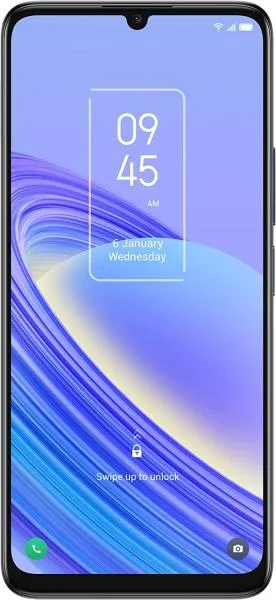
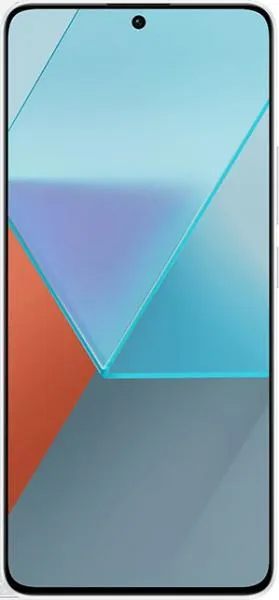
1. Specifications Comparison
| Feature | TCL 40 SE | Xiaomi Redmi Note 13 Pro | Practical Impact |
|---|---|---|---|
| Design | |||
| Dimensions (mm) | 167.9 x 76.5 x 8.5 | 161.2 x 74.2 x 8 | Redmi Note 13 Pro is slightly smaller and more compact. |
| Weight (g) | 190 | 187 | Negligible weight difference. |
| Build Material | Not specified | Not specified | Cannot compare build quality. |
| Display | |||
| Display Type | IPS LCD | AMOLED | Redmi's AMOLED offers significantly better contrast, deeper blacks, and potentially brighter colors. |
| Display Size (inches) | 6.75 | 6.67 | Negligible size difference. |
| Resolution | 720 x 1600 | 1220 x 2712 | Redmi Note 13 Pro has a much sharper and more detailed display. |
| Refresh Rate (Hz) | 90 | 120 | Redmi Note 13 Pro will provide smoother scrolling and animations. |
| Peak Brightness (nits) | 450 (typ) | 1800 (peak) | Redmi Note 13 Pro will be much more readable in direct sunlight. |
| Performance | |||
| Chipset | Mediatek Helio G37 (12 nm) | Qualcomm Snapdragon 7s Gen 2 (4 nm) | Redmi Note 13 Pro offers significantly better performance in demanding tasks and gaming. |
| CPU | Octa-core (4x2.3 GHz Cortex-A53 & 4x1.8 GHz Cortex-A53) | Octa-core (4x2.4 GHz Cortex-A78 & 4x1.9 GHz Cortex-A55) | Redmi's CPU utilizes more powerful cores resulting in a noticeable performance difference. |
| GPU | PowerVR GE8320 | Adreno 710 | Redmi Note 13 Pro's GPU offers significantly better gaming and graphics performance. |
| RAM | 4/6 GB | 8/12/16 GB | Redmi Note 13 Pro offers more RAM for smoother multitasking. |
| Camera | |||
| Main Camera (MP) | 50 | 200 | Redmi Note 13 Pro boasts a higher resolution sensor, potentially capturing more detail. |
| Video Recording | 1080p@30fps | 4K@30fps | Redmi Note 13 Pro can record video at a much higher resolution. |
| Camera Features | Triple Camera, PDAF | Triple Camera, OIS, 4K Video | Redmi offers Optical Image Stabilization (OIS) for steadier videos and potentially better low-light photos. |
| Battery | |||
| Battery Capacity (mAh) | 5010 | 5100 | Negligible difference in battery capacity. |
| Fast Charging | 18W | 67W | Redmi Note 13 Pro charges significantly faster. |
2. Key Differences Analysis
TCL 40 SE Advantages:
- Lower Price: Positioned in the "low price" range, offering budget-conscious buyers an entry-level option.
Xiaomi Redmi Note 13 Pro Advantages:
- Superior Performance: The Snapdragon 7s Gen 2 and higher RAM options deliver significantly better performance for demanding tasks and gaming.
- High-Quality Display: The AMOLED display with a higher resolution, refresh rate, and peak brightness provides a vastly improved visual experience.
- Faster Charging: 67W fast charging significantly reduces charging time.
- Advanced Camera Features: OIS and 4K video recording capabilities enhance the camera experience.
3. User Profiles & Recommendations
TCL 40 SE:
- Ideal User: Budget-conscious users primarily needing basic communication and light web browsing.
- Use Cases: Calling, texting, social media, casual web browsing.
Xiaomi Redmi Note 13 Pro:
- Ideal User: Users seeking a well-rounded phone with good performance, a great display, and capable cameras for a mid-range price.
- Use Cases: Gaming, multimedia consumption, mobile photography, demanding applications.
4. Decision Framework
Key Questions for Buyers:
- What is your budget? The TCL 40 SE is significantly more affordable.
- What are your primary phone usage patterns? For basic tasks, the TCL 40 SE might suffice. For demanding tasks, gaming, and multimedia, the Redmi Note 13 Pro is a better choice.
- How important is display quality and camera performance? The Redmi Note 13 Pro significantly outperforms the TCL 40 SE in these areas.
My Choice: Xiaomi Redmi Note 13 Pro
While the TCL 40 SE offers an enticing price point for budget-conscious buyers, the Xiaomi Redmi Note 13 Pro is the superior device overall. The significantly better performance, vastly improved display quality, faster charging, and enhanced camera features justify the higher price for most users. The performance difference between the Helio G37 and Snapdragon 7s Gen 2 is substantial, impacting everyday usability. The AMOLED display on the Redmi is a major upgrade over the TCL's LCD. Unless budget is an extremely limiting factor, the Redmi Note 13 Pro offers a far more compelling user experience.
