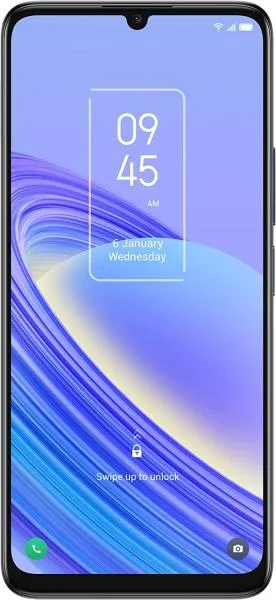
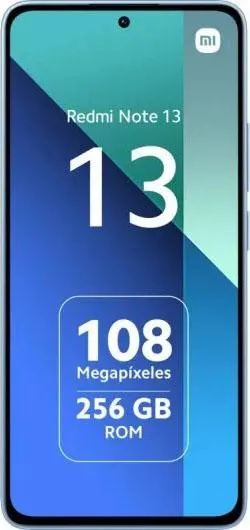
1. Specifications Comparison
| Feature | TCL 40 SE | Xiaomi Redmi Note 13 4G | Practical Impact |
|---|---|---|---|
| Design | |||
| Dimensions (mm) | 167.9 x 76.5 x 8.5 | 162.3 x 75.6 x 8.0 | Redmi Note 13 is slightly smaller and may feel more comfortable in hand. |
| Weight (g) | 190 | 188.5 | Negligible weight difference. |
| Display | |||
| Display Type | IPS LCD | AMOLED | AMOLED offers deeper blacks, vibrant colors, and potentially better power efficiency. |
| Display Size (inches) | 6.75 | 6.67 | Negligible size difference. |
| Resolution | 720 x 1600 | 1080 x 2400 | Redmi Note 13 has a significantly sharper display (395 ppi vs 260 ppi), resulting in clearer text and images. |
| Refresh Rate (Hz) | 90 | 120 | Redmi Note 13's higher refresh rate will provide smoother scrolling and animations. |
| Peak Brightness (nits) | 450 (typ), 900 (peak) | 1800 (peak) | Redmi Note 13's display will be much more visible in direct sunlight. |
| Performance | |||
| Chipset | Mediatek Helio G37 (12 nm) | Qualcomm Snapdragon 685 (6 nm) | Snapdragon 685 offers better performance and efficiency due to its more advanced manufacturing process and architecture. |
| CPU | Octa-core (4x2.3 GHz Cortex-A53 & 4x1.8 GHz Cortex-A53) | Octa-core (4x2.8 GHz Cortex-A73 & 4x1.9 GHz Cortex-A53) | Redmi Note 13 has faster and more powerful CPU cores, leading to smoother multitasking and better performance in demanding apps. |
| GPU | PowerVR GE8320 | Adreno 610 | Adreno 610 offers significantly better graphics performance for gaming and other visually intensive tasks. |
| RAM (GB) | 4/6 | 6/8 | Redmi Note 13 offers more RAM in its base configuration, improving multitasking capabilities. |
| Camera | |||
| Main Camera (MP) | 50 | 108 | Redmi Note 13 has a higher resolution main sensor, potentially capturing more detail. However, megapixels alone don't guarantee image quality. |
| Selfie Camera (MP) | 8 | 16 | Redmi Note 13 offers a higher resolution selfie camera. |
| Video Recording | 1080p@30fps | 1080p@30fps | No difference in resolution or frame rate for video recording, although Redmi offers 60fps slow-motion. Detailed analysis requires examining video samples. |
| Battery | |||
| Capacity (mAh) | 5010 | 5000 | Negligible difference in battery capacity. |
| Fast Charging | 18W | 33W | Redmi Note 13 supports significantly faster charging. |
2. Key Differences Analysis
Redmi Note 13 Advantages:
- Superior Display: AMOLED with higher resolution, refresh rate, and peak brightness.
- Better Performance: More powerful processor, GPU, and more RAM.
- Faster Charging: 33W vs 18W.
- Higher Resolution Cameras: Both main and selfie cameras offer higher megapixel counts.
TCL 40 SE Advantages:
- Potentially Lower Price: Positioned in the "low price" range compared to Redmi Note 13's "medium price" range.
Trade-offs:
- The TCL 40 SE sacrifices performance, display quality, and charging speed for a lower price point. The Redmi Note 13 provides a significantly better user experience but at a higher cost.
3. User Profiles & Recommendations
TCL 40 SE: Budget-conscious users who prioritize basic functionality: calling, texting, browsing, and light social media usage.
Redmi Note 13: Users who value a smooth and responsive experience, enjoy multimedia consumption, play mobile games, and require a good camera.
4. Decision Framework
Key Questions for Buyers:
- What is your budget? The TCL 40 SE is significantly cheaper.
- What are your primary use cases? For basic tasks, the TCL 40 SE might suffice. For demanding tasks, the Redmi Note 13 is better.
- How important is display quality? The Redmi Note 13 offers a vastly superior display.
My Choice: Xiaomi Redmi Note 13 4G
While the TCL 40 SE offers a budget-friendly option, the Redmi Note 13 4G provides a significantly better overall user experience. The superior AMOLED display, faster performance, quicker charging, and improved camera capabilities make it a more compelling device. The price difference is justified by the substantial upgrades across the board. Even if the price difference is significant, the long-term benefits of a smoother, more enjoyable user experience outweigh the initial cost savings for most users. The improved display alone drastically enhances daily usage. A better processor ensures the phone remains usable for a longer period before becoming obsolete.
