1. Specifications Comparison
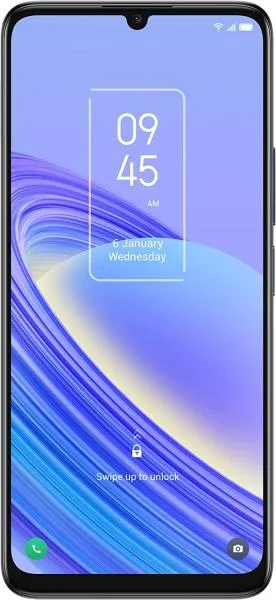
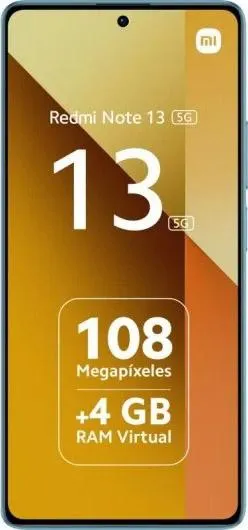
| Feature | TCL 40 SE | Xiaomi Redmi Note 13 | Practical Impact |
|---|---|---|---|
| Design | |||
| Dimensions (mm) | 167.9 x 76.5 x 8.5 | 161.1 x 75 x 7.6 | Redmi Note 13 is slightly smaller and thinner, making it potentially more pocketable. |
| Weight (g) | 190 | 174.5 | Redmi Note 13 is noticeably lighter, improving one-handed use and reducing fatigue. |
| Display | |||
| Display Type | IPS LCD | AMOLED | AMOLED offers deeper blacks, vibrant colors, and better power efficiency in dark mode. |
| Display Size (inches) | 6.75 | 6.67 | Negligible size difference. |
| Resolution | 720 x 1600 | 1080 x 2400 | Redmi Note 13 has a significantly sharper display, resulting in clearer text and images. |
| Refresh Rate (Hz) | 90 | 120 | Redmi Note 13's higher refresh rate provides smoother scrolling and animations. |
| PPI | 260 | 395 | Redmi Note 13's higher pixel density leads to a much sharper and more detailed display. |
| Performance | |||
| Chipset | Mediatek Helio G37 (12 nm) | Mediatek Dimensity 6080 (6 nm) | Redmi Note 13's 6nm chipset offers significant performance and efficiency improvements over the 12nm Helio G37. Expect smoother multitasking and better gaming performance. |
| CPU | Octa-core (4x2.3 GHz Cortex-A53 & 4x1.8 GHz Cortex-A53) | Octa-core (2x2.4 GHz Cortex-A76 & 6x2.0 GHz Cortex-A55) | Redmi Note 13 utilizes more powerful Cortex-A76 cores, resulting in a noticeable performance advantage for demanding tasks. |
| GPU | PowerVR GE8320 | Mali-G57 MC2 | Redmi Note 13 has a more capable GPU, leading to better gaming performance and smoother graphics rendering. |
| RAM | 4GB/6GB | 6GB/8GB/12GB | Redmi Note 13 offers larger RAM options, enhancing multitasking capabilities and overall system responsiveness. |
| Camera | |||
| Main Camera | 50MP | 108MP | Redmi Note 13 boasts a higher resolution main sensor, potentially capturing more detail in photos. However, megapixel count isn't the sole determinant of image quality. |
| Selfie Camera | 8MP | 16MP | Redmi Note 13 has a higher resolution selfie camera, likely producing better quality self-portraits. |
| Video Recording | 1080p@30fps | 1080p@30fps | Both phones offer similar video recording capabilities. |
| Battery | |||
| Capacity (mAh) | 5010 | 5000 | Negligible difference in battery capacity. |
| Fast Charging | 18W | 33W | Redmi Note 13 offers significantly faster charging speeds, reducing downtime. |
2. Key Differences Analysis
Redmi Note 13 Advantages:
- Significantly better performance: The Dimensity 6080 chipset, coupled with more RAM, offers a smoother and faster user experience across all tasks.
- Superior display: The AMOLED display with higher resolution and refresh rate provides a more visually appealing and responsive experience.
- Faster charging: 33W fast charging significantly reduces charging time.
- More premium build: Lighter and slightly smaller.
TCL 40 SE Advantages:
- Potentially lower price: Given the lower specifications, the TCL 40 SE is likely to be more affordable.
3. User Profiles & Recommendations
TCL 40 SE: Budget-conscious users who prioritize basic functionality: calling, texting, web browsing, and light social media usage. Not recommended for demanding tasks like gaming or heavy multitasking.
Redmi Note 13: Users seeking a well-rounded smartphone with good performance, a vibrant display, and fast charging. Suitable for moderate gaming, multitasking, and content consumption.
4. Decision Framework
Key Questions for Buyers:
- What is your budget? The TCL 40 SE is likely cheaper.
- What are your primary smartphone uses? For basic use, the TCL 40 SE may suffice. For more demanding tasks, the Redmi Note 13 is superior.
- How important is display quality and performance? The Redmi Note 13 offers a significant upgrade in both areas.
My Choice: Xiaomi Redmi Note 13
The Redmi Note 13 is the clear winner for me. While the TCL 40 SE might be a suitable option for extremely budget-constrained users who only need basic functionality, the Redmi Note 13 provides a vastly superior user experience in almost every aspect. The performance difference alone would make the Redmi Note 13 a better long-term investment, ensuring smoother operation for years to come. The superior AMOLED display, faster charging, and more modern design further solidify its position as the better choice. Even if the Redmi Note 13 has a higher price, the significant improvements in performance, display, and charging make it a much more valuable device overall.
