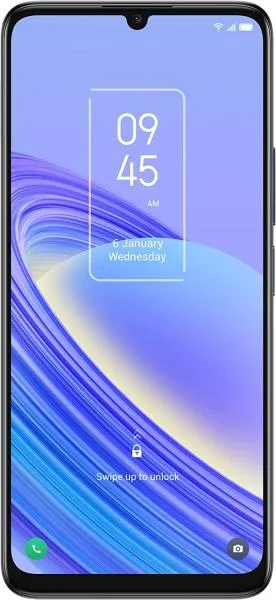
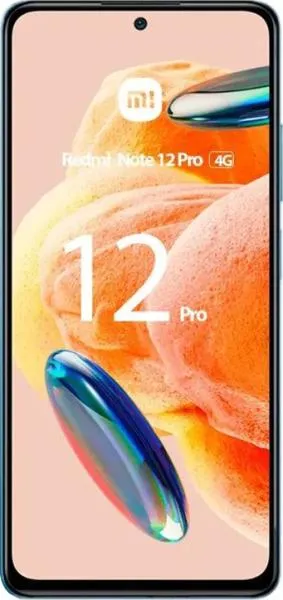
1. Specifications Comparison
| Feature | TCL 40 SE | Xiaomi Redmi Note 12 Pro 4G | Practical Impact |
|---|---|---|---|
| Design | |||
| Dimensions (mm) | 167.9 x 76.5 x 8.5 | 164.2 x 76.1 x 8.1 | Redmi is slightly smaller and thinner. Negligible difference in everyday use. |
| Weight (g) | 190 | 201.8 | Redmi is slightly heavier, but the difference is minimal. |
| Display | |||
| Display Type | IPS LCD | AMOLED | AMOLED offers deeper blacks, vibrant colors, and potentially better power efficiency. LCD can be brighter in direct sunlight. |
| Display Size (inches) | 6.75 | 6.67 | Negligible size difference. |
| Resolution | 720 x 1600 | 1080 x 2400 | Redmi has a significantly sharper and more detailed display. |
| Refresh Rate (Hz) | 90 | 120 | Redmi's 120Hz display provides smoother scrolling and animations. |
| PPI | 260 | 395 | Redmi offers a much sharper image, noticeable in text clarity and image detail. |
| Performance | |||
| Chipset | Mediatek Helio G37 | Qualcomm Snapdragon 732G | Snapdragon 732G offers significantly better CPU and GPU performance, leading to smoother multitasking, faster app loading, and better gaming capabilities. |
| CPU | Octa-core (4x2.3 GHz Cortex-A53 & 4x1.8 GHz Cortex-A53) | Octa-core (2x2.2 GHz Kryo 470 Gold & 6x1.8 GHz Kryo 470 Silver) | Redmi's CPU architecture is more powerful and efficient. |
| GPU | PowerVR GE8320 | Adreno 618 | Redmi's GPU is significantly more powerful, enabling smoother gaming and graphics-intensive tasks. |
| RAM (GB) | 4 | 8 | Redmi offers double the RAM, enabling better multitasking and preventing apps from closing in the background. |
| Camera | |||
| Main Camera (MP) | 50 | 108 | Redmi boasts a higher resolution main sensor, potentially capturing more detail. Image quality depends on sensor size and processing, not just megapixels. |
| Video Recording | 1080p@30fps | 4K@30fps, 1080p@60fps | Redmi allows for higher resolution and frame rate video recording. |
| Battery | |||
| Capacity (mAh) | 5010 | 5020 | Virtually identical battery capacities. |
| Fast Charging (W) | 18 | 67 | Redmi supports significantly faster charging, minimizing downtime. |
2. Key Differences Analysis
TCL 40 SE Advantages:
- Lower Price: Positioned in the "low price" range, offering budget-conscious buyers an affordable option.
Xiaomi Redmi Note 12 Pro 4G Advantages:
- Superior Display: AMOLED with higher resolution, refresh rate, and brightness provides a significantly better visual experience.
- Significantly Better Performance: A more powerful chipset, CPU, GPU and double the RAM enable smoother multitasking, faster app loading, and better gaming.
- Faster Charging: 67W fast charging drastically reduces charging times.
- More Versatile Camera: Offers 4K video recording and a higher resolution main sensor.
Trade-offs:
- The Redmi Note 12 Pro 4G comes at a higher price, reflecting its superior features.
- The TCL 40 SE compromises on performance and display quality to achieve affordability.
3. User Profiles & Recommendations
TCL 40 SE Ideal User:
- Budget-conscious users who prioritize basic functionality (calling, texting, browsing) over high performance or premium features.
- Users who primarily consume content rather than create it.
- Suitable for light users or as a secondary device.
Xiaomi Redmi Note 12 Pro 4G Ideal User:
- Users who demand a smooth and responsive experience with good multitasking capabilities.
- Mobile gamers and users who consume or create multimedia content.
- Users who prioritize a vibrant and sharp display.
- Users who value faster charging speeds.
4. Decision Framework
Key Questions for Buyers:
- What is your budget? The TCL 40 SE is significantly more affordable.
- What are your primary use cases? Basic tasks vs. demanding applications like gaming or multimedia editing.
- How important is display quality and performance? The Redmi Note 12 Pro 4G excels in these areas.
Scenario-Based Recommendations:
- Tight Budget, Basic Use: TCL 40 SE
- Balanced Performance and Price: Xiaomi Redmi Note 12 Pro 4G
- Prioritize Display and Performance: Xiaomi Redmi Note 12 Pro 4G
My Choice: Xiaomi Redmi Note 12 Pro 4G
While the TCL 40 SE offers an enticing price, the Xiaomi Redmi Note 12 Pro 4G provides significantly better value for the extra cost. The superior display, performance, and faster charging greatly enhance the daily user experience. The difference in display quality alone would be a major factor for me, as I consume a lot of media on my phone. Additionally, the improved performance ensures smooth operation even with demanding tasks. The faster charging is a significant convenience in today's fast-paced world. While budget is always a consideration, the noticeable improvements in key areas justify the higher price of the Redmi Note 12 Pro 4G for a more enjoyable and long-lasting smartphone experience.
