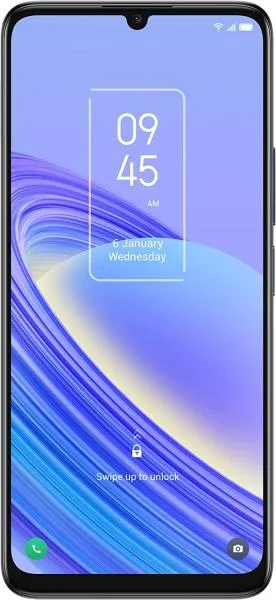
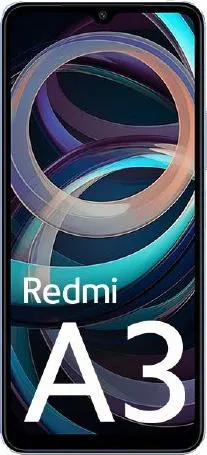
1. Specifications Comparison
| Feature | TCL 40 SE | Xiaomi Redmi A3 | Practical Impact |
|---|---|---|---|
| Design | |||
| Dimensions (mm) | 167.9 x 76.5 x 8.5 | 168.3 x 76.3 x 8.3 | Negligible size difference; both are large phones. |
| Weight (g) | 190 | 193 | Virtually identical weight. |
| Display | |||
| Size (inches) | 6.75 | 6.71 | Negligible size difference. |
| Resolution (px) | 720 x 1600 | 720 x 1650 | Redmi A3 slightly taller; both are low-resolution for their size, impacting sharpness. |
| Refresh Rate (Hz) | 90 | 90 | Both offer smooth scrolling and animations. |
| Display Type | IPS LCD | IPS LCD | Similar color accuracy and viewing angles expected. TCL 40 SE boasts 900 nits peak brightness (from another source) vs 500 nits typical for Redmi A3, meaning significantly better outdoor visibility for the TCL. |
| Performance | |||
| Chipset | Mediatek Helio G37 | Mediatek Helio G36 | Both are entry-level chipsets; G37 slightly faster. Expect minor performance differences in day-to-day tasks, but both will struggle with demanding games or multitasking. |
| CPU | Octa-core (4x2.3 GHz & 4x1.8 GHz Cortex-A53) | Octa-core (4x2.2 GHz & 4x1.6 GHz Cortex-A53) | TCL 40 SE has a slightly faster CPU, offering marginally better performance in demanding tasks. |
| GPU | PowerVR GE8320 | PowerVR GE8320 | Same GPU; similar gaming performance expected. |
| RAM (GB) | 4/6 | 3/4/6 | RAM options vary; more RAM improves multitasking. 6GB option on both provides smoother performance. |
| Camera | |||
| Rear Camera (MP) | 50MP Main, 2MP Depth, 2MP Macro | 8MP Main, 0.3MP (unknown) | TCL 40 SE boasts higher resolution main sensor, potentially capturing more detail. Redmi A3's secondary sensor's purpose is unclear, limiting its practical value. |
| Front Camera (MP) | 8MP | 5MP | TCL 40 SE likely offers better selfie quality. |
| Video Recording | 1080p@30fps | 1080p@30fps | Identical video recording capabilities. |
| Battery | |||
| Capacity (mAh) | 5010 | 5000 | Virtually identical battery capacity; expect similar battery life. |
| Fast Charging | 18W | 10W | TCL 40 SE charges significantly faster. |
2. Key Differences Analysis
TCL 40 SE Advantages:
- Brighter Display: Significantly brighter, improving outdoor visibility.
- Slightly Faster Performance: Marginal advantage in CPU speed.
- Higher Resolution Main Camera: Potentially better image quality.
- Faster Charging: 18W vs 10W.
Xiaomi Redmi A3 Advantages:
- Slightly Newer OS: Android 14 might offer some newer features and longer software support, although this is not guaranteed.
- Lower Price (potentially): Depending on the specific RAM/storage configuration, the Redmi A3 can be cheaper.
- Bluetooth 5.3: Slightly newer Bluetooth version offering improved power efficiency and potentially better audio quality.
Trade-offs:
- Redmi A3's lower resolution front camera and questionable secondary rear camera sacrifice imaging capabilities for a lower price.
- TCL 40 SE's older OS might mean shorter software support lifespan.
3. User Profiles & Recommendations
TCL 40 SE: Users prioritizing a bright display for outdoor use, slightly faster performance, and faster charging. Suitable for casual gaming, social media, and content consumption.
Xiaomi Redmi A3: Budget-conscious users prioritizing the lowest possible price and a newer Android version. Best for basic tasks like calling, texting, and browsing.
4. Decision Framework
Key Questions for Buyers:
- What is your budget? The Redmi A3 generally offers a lower entry price.
- How important is camera quality? The TCL 40 SE has a clear advantage.
- Do you frequently use your phone outdoors? The TCL 40 SE's brighter display is crucial in sunlight.
Scenario-Based Recommendations:
- Tight budget, basic usage: Redmi A3
- Balanced performance and price: TCL 40 SE
- Outdoor use, better camera: TCL 40 SE
My Choice: TCL 40 SE
While the Redmi A3 offers a lower entry price, the TCL 40 SE provides a significantly better user experience due to its brighter display, marginally faster performance, and faster charging. The superior main camera and brighter screen are crucial for everyday usage. The slightly older OS is a minor drawback considering the significant benefits in other areas. The price difference is likely worth the improved user experience the TCL 40 SE offers.
