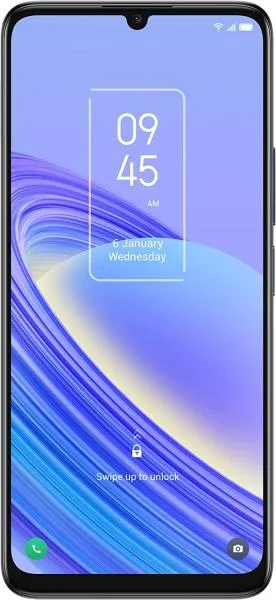
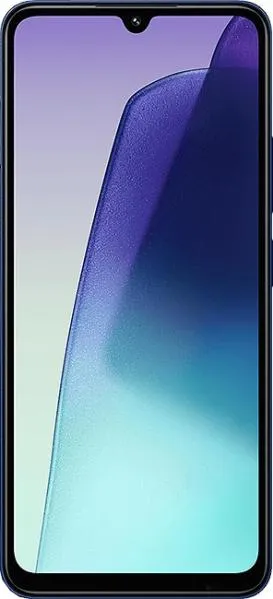
1. Specifications Comparison
| Feature | TCL 40 SE | Xiaomi Redmi 14C | Practical Impact |
|---|---|---|---|
| Design | |||
| Dimensions (mm) | 167.9 x 76.5 x 8.5 | 171.9 x 77.8 x 8.2 | Redmi 14C is slightly larger and heavier. |
| Weight (g) | 190 | 211 | TCL 40 SE is noticeably lighter, improving one-handed use. |
| Display | |||
| Size (inches) | 6.75 | 6.88 | Redmi 14C offers a slightly larger screen. |
| Resolution (px) | 720 x 1600 | 720 x 1640 | Negligible difference in resolution; both are low for the screen size. Expect some pixelation. |
| Refresh Rate (Hz) | 90 | 120 | Redmi 14C's 120Hz display will feel smoother for scrolling and gaming. |
| Display Type | IPS LCD | IPS LCD | Both use IPS LCD technology, offering good color reproduction but limited viewing angles compared to OLED. |
| Performance | |||
| Chipset | Mediatek Helio G37 | Mediatek Helio G81 Ultra | Helio G81 is more powerful, offering better gaming and multitasking performance. |
| CPU | Octa-core (4x2.3 GHz Cortex-A53 & 4x1.8 GHz Cortex-A53) | Octa-core (2x2.0 GHz Cortex-A75 & 6x1.8 GHz Cortex-A55) | Redmi 14C's CPU utilizes more powerful Cortex-A75 cores, resulting in a significant performance advantage. |
| GPU | PowerVR GE8320 | Mali-G52 MC2 | Mali-G52 MC2 offers better graphics performance for gaming. |
| RAM | 4GB | 4GB/6GB/8GB | Redmi 14C offers configurations with more RAM, improving multitasking and app loading speeds. |
| OS | Android 13 | Android 14 | Redmi 14C comes with a newer Android version, offering potential feature and security advantages. |
| Camera | |||
| Rear Camera | 50MP Main, 2MP Depth, 2MP Macro | 50MP Main, 0.8MP (Unspecified) | Both have a 50MP main camera; the secondary lens on the Redmi 14C is unclear in its function, limiting analysis. TCL 40 SE has a dedicated macro lens. |
| Front Camera | 8MP | 13MP | Redmi 14C has a higher resolution selfie camera. |
| Video Recording | 1080p@30fps | 1080p@30fps | Identical video recording capabilities. |
| Battery | |||
| Capacity (mAh) | 5010 | 5160 | Redmi 14C has a slightly larger battery capacity. Expect marginally longer battery life. |
| Fast Charging | 18W | 18W | Both offer the same fast charging speed. |
2. Key Differences Analysis
TCL 40 SE Advantages:
- Lighter and more compact: Noticeably more comfortable for one-handed use.
- Potentially Lower Price: Listed as "low price" suggesting better affordability.
Xiaomi Redmi 14C Advantages:
- Significantly better performance: The Helio G81 and potentially higher RAM options offer a much smoother user experience, especially for gaming and multitasking.
- Higher refresh rate display: Smoother scrolling and animations.
- Newer Android version: Access to newer features and security updates.
- Higher resolution selfie camera: Better quality for video calls and self-portraits.
3. User Profiles & Recommendations
TCL 40 SE: Budget-conscious users who prioritize basic communication, light media consumption, and a lightweight phone. Good for:
- Casual social media browsing
- Making calls and texting
- Light web browsing
Xiaomi Redmi 14C: Users who want better performance for gaming, multitasking, and a smoother overall experience. Good for:
- Mobile gaming
- More demanding apps
- Users who value a smooth and responsive interface
4. Decision Framework
Key Questions for Buyers:
- What is your budget? The TCL 40 SE is expected to be significantly cheaper.
- What are your primary use cases? Gaming and heavy multitasking benefit from the Redmi 14C's superior performance.
- How important is one-handed usability? The TCL 40 SE's lighter weight is a significant advantage for some users.
Scenario-Based Recommendations:
- Tight Budget, Basic Use: TCL 40 SE
- Moderate Budget, Performance Focused: Xiaomi Redmi 14C
- Heavy Gamer: Xiaomi Redmi 14C (higher RAM variant if possible)
My Choice: Xiaomi Redmi 14C
While the TCL 40 SE offers a lighter and potentially cheaper option, the Xiaomi Redmi 14C's significant performance advantage, higher refresh rate display, and newer Android version make it a more compelling choice for the long term. The smoother user experience, better gaming capabilities, and future-proofing offered by the Redmi 14C outweigh the benefits of the TCL 40 SE for me. Even the base 4GB RAM variant of the Redmi 14C provides a better CPU and GPU, which significantly impacts daily usage. I'd prioritize the better overall experience and accept the slightly larger size and weight.
