1. Specifications Comparison
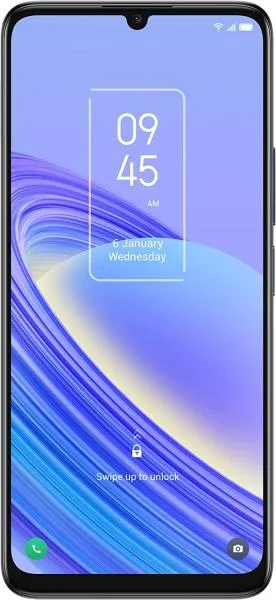
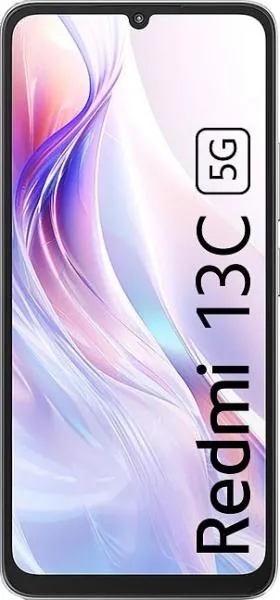
| Feature | TCL 40 SE | Xiaomi Redmi 13C 5G | Practical Impact |
|---|---|---|---|
| Design | |||
| Dimensions (mm) | 167.9 x 76.5 x 8.5 | 168 x 78 x 8.1 | Redmi 13C is slightly wider and thicker. Negligible difference in daily use. |
| Weight (g) | 190 | 192 | Virtually identical weight; no noticeable difference in hand. |
| Display | |||
| Size (inches) | 6.75 | 6.74 | Negligible size difference. |
| Resolution (px) | 720 x 1600 | 720 x 1600 | Identical resolution, resulting in similar sharpness. |
| Refresh Rate (Hz) | 90 | 90 | Both offer smooth scrolling and animations thanks to the 90Hz refresh rate. |
| Display Type | IPS LCD | IPS LCD | Both use IPS LCD technology, expecting similar color accuracy and viewing angles. |
| Performance | |||
| Chipset | Mediatek Helio G37 (12 nm) | Mediatek Dimensity 6100+ (6 nm) | Dimensity 6100+ significantly more powerful and power-efficient due to the smaller 6nm process. Expect smoother multitasking and better gaming performance on the Redmi 13C. |
| CPU | Octa-core (4x2.3 GHz Cortex-A53 & 4x1.8 GHz Cortex-A53) | Octa-core (2x2.2 GHz Cortex-A76 & 6x2.0 GHz Cortex-A55) | Redmi 13C features more powerful Cortex-A76 cores, leading to much better performance in demanding tasks. |
| GPU | PowerVR GE8320 | Mali-G57 MC2 | Mali-G57 MC2 is a significantly more capable GPU, offering better gaming and graphics performance compared to the PowerVR GE8320. |
| RAM (GB) | 4 | 4 (reviewed model) | Both have 4GB in the reviewed variants, but Redmi 13C offers other configurations with potentially higher RAM, which would improve multitasking. |
| Camera | |||
| Rear Camera (MP) | 50 + 2 + 2 | 50 + 0.8 | Similar main camera resolution. Redmi 13C's secondary lens is practically useless at 0.8MP. TCL 40 SE has a dedicated macro lens, potentially offering better close-up shots. |
| Front Camera (MP) | 8 | 5 | TCL 40 SE has a higher resolution front camera, potentially capturing more detailed selfies. |
| Video Recording | 1080p@30fps | 1080p@30fps | Similar video recording capabilities. |
| Battery | |||
| Capacity (mAh) | 5010 | 5000 | Virtually identical battery capacities. Expect similar battery life, but Redmi 13C's more efficient chipset might provide a slight edge. |
| Fast Charging | 18W | 18W | Identical fast charging speeds. |
2. Key Differences Analysis
TCL 40 SE Advantages:
- Slightly Lower Price: Typically falls in a lower price bracket.
- NFC: Offers NFC for contactless payments and other functionalities.
- Higher Resolution Front Camera: Potentially better selfie quality.
Xiaomi Redmi 13C 5G Advantages:
- Significantly Better Performance: The Dimensity 6100+ chipset offers much better CPU and GPU performance, resulting in a smoother overall experience, especially in gaming and multitasking.
- 5G Connectivity: Provides access to faster 5G networks.
- More Efficient Chipset: Leading to potentially longer battery life.
- Reverse Charging: Can charge other devices.
Trade-offs:
- Redmi 13C lacks NFC, a feature present in the TCL 40 SE.
- Redmi 13C has a lower resolution front-facing camera.
3. User Profiles & Recommendations
TCL 40 SE: Budget-conscious users who prioritize basic functionality, long battery life, and NFC for contactless payments. Suitable for light usage like web browsing, social media, and casual photography.
Xiaomi Redmi 13C 5G: Users who prioritize performance and 5G connectivity. Suitable for gaming, multitasking, and demanding applications. Also a good option for future-proofing due to 5G capabilities.
4. Decision Framework
Key Questions for Buyers:
- What is your budget? TCL 40 SE is generally more affordable.
- Is performance a priority? Redmi 13C offers significantly better performance.
- Do you need 5G or NFC? Redmi 13C has 5G, while TCL 40 SE has NFC.
My Choice: Xiaomi Redmi 13C 5G
While the TCL 40 SE offers a lower price and NFC, the significant performance advantage of the Redmi 13C 5G is the deciding factor for me. The Dimensity 6100+ provides a much smoother and more responsive user experience, making it a more future-proof choice. The added benefit of 5G connectivity further strengthens its appeal. While I would miss NFC, I prioritize the overall performance and longevity offered by the Redmi 13C. The slightly higher price is justified by the significant leap in performance and future-proof features.
