1. Specifications Comparison
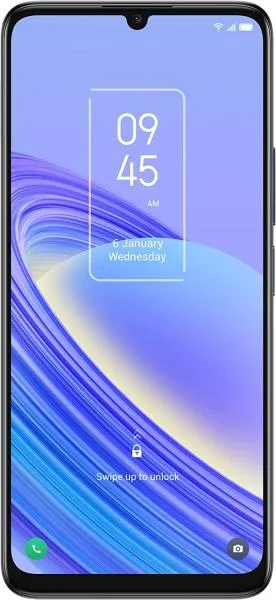
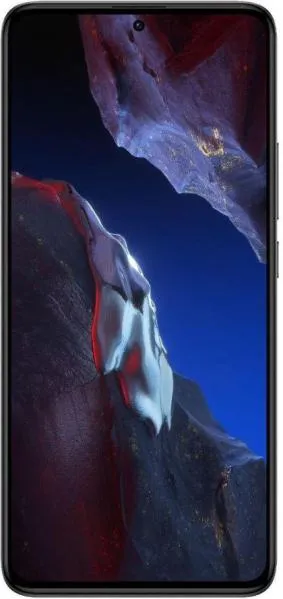
| Feature | TCL 40 SE | Xiaomi Poco F5 Pro | Practical Impact |
|---|---|---|---|
| Design | |||
| Dimensions (mm) | 167.9 x 76.5 x 8.5 | 162.8 x 75.4 x 8.6 | Poco F5 Pro is slightly smaller and more compact. |
| Weight (g) | 190 | 204 | TCL 40 SE is noticeably lighter. |
| Build Material | Not specified | Not specified | Cannot compare build quality and durability. |
| Display | |||
| Display Type | IPS LCD | AMOLED | Poco F5 Pro offers significantly better contrast, deeper blacks, and more vibrant colors. |
| Display Size (inches) | 6.75 | 6.67 | Negligible size difference. |
| Resolution | 720 x 1600 | 1440 x 3200 | Poco F5 Pro has a much sharper and more detailed display. |
| Refresh Rate (Hz) | 90 | 120 | Poco F5 Pro provides smoother scrolling and animations. |
| Peak Brightness (nits) | 450 (typ) | 1400 (peak) | Poco F5 Pro is far more visible in direct sunlight. |
| Performance | |||
| Chipset | Mediatek Helio G37 | Snapdragon 8+ Gen 1 | Poco F5 Pro offers vastly superior processing power for demanding tasks and gaming. |
| CPU | Octa-core (4x2.3 GHz Cortex-A53 & 4x1.8 GHz Cortex-A53) | Octa-core (1x3.0 GHz Cortex-X2 & 3x2.5 GHz Cortex-A710 & 4x1.80 GHz Cortex-A510) | Poco F5 Pro's CPU architecture is significantly more powerful and efficient. |
| RAM (GB) | 4/6 | 8/12 | Poco F5 Pro provides more memory for multitasking and smoother performance. |
| Camera | |||
| Main Camera (MP) | 50 | 64 | Both offer high resolution, but image quality depends on sensor and processing which cannot be fully compared with given data. |
| Video Recording | 1080p@30fps | Up to 8K@24fps | Poco F5 Pro offers significantly higher video resolution and frame rate options. |
| Camera Features | Triple Camera, PDAF | Triple Camera, OIS, 8K video | Poco F5 Pro benefits from Optical Image Stabilization for smoother videos and better low-light photos. |
| Battery | |||
| Capacity (mAh) | 5010 | 5160 | Similar battery capacities. |
| Fast Charging | 18W | 67W | Poco F5 Pro charges significantly faster. |
2. Key Differences Analysis
TCL 40 SE Advantages:
- Lighter Weight: More comfortable for extended use.
- Lower Price: Significantly more budget-friendly.
Xiaomi Poco F5 Pro Advantages:
- Significantly Faster Performance: Handles demanding tasks and games with ease.
- Superior Display: Brighter, sharper, smoother, and more vibrant.
- Faster Charging: Minimizes downtime.
- Higher Quality Camera System: Potentially better image and video quality, especially in low light and video recording thanks to OIS.
Trade-offs:
- Price: The Poco F5 Pro comes at a significantly higher price.
- Weight: The TCL 40 SE offers a lighter, more comfortable handling experience.
3. User Profiles & Recommendations
TCL 40 SE: Ideal for budget-conscious users who prioritize basic smartphone functionality - calling, texting, web browsing, and casual social media use. Not recommended for demanding tasks or mobile gaming.
Xiaomi Poco F5 Pro: Suitable for power users, mobile gamers, and those who demand a premium display and camera experience. Excellent for multitasking, content creation, and consuming media.
4. Decision Framework
Key Questions:
- What is your budget? The price difference is substantial.
- What are your primary smartphone usage patterns? Casual use vs. demanding tasks/gaming.
- How important is display and camera quality? The Poco F5 Pro significantly outperforms the TCL 40 SE in these areas.
Scenario-Based Recommendations:
- Limited Budget, Basic Use: TCL 40 SE
- Moderate Budget, Balanced Needs: Consider other mid-range options, as the TCL 40 SE lacks performance while the Poco F5 Pro commands a premium price.
- High Budget, Demanding Use: Xiaomi Poco F5 Pro
My Choice: Xiaomi Poco F5 Pro
While the TCL 40 SE offers a budget-friendly option, the Xiaomi Poco F5 Pro provides a significantly superior overall experience. The vastly improved performance, stunning display, faster charging, and potentially better camera system justify the higher price for my needs. I prioritize a smooth and responsive user experience, high-quality media consumption, and the ability to handle demanding tasks. The Poco F5 Pro's powerful processor, ample RAM, and bright, high-refresh-rate AMOLED display cater perfectly to these requirements. While the weight difference is noticeable, the performance and feature advantages of the Poco F5 Pro outweigh the slight increase in size and weight for me.
