1. Specifications Comparison
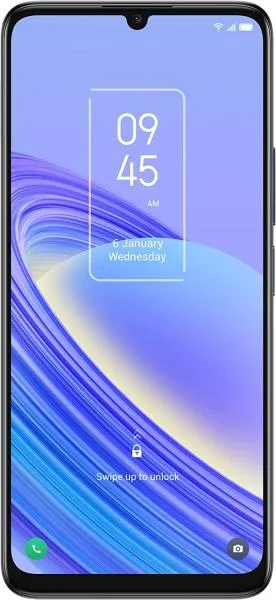
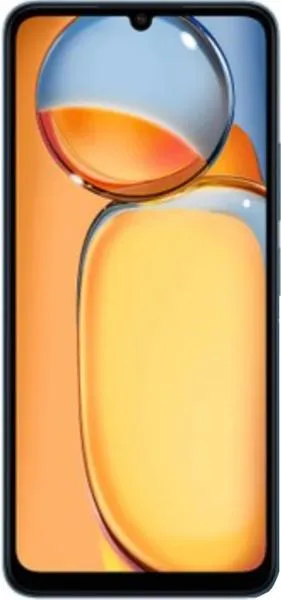
| Feature | TCL 40 SE | Xiaomi Poco C65 | Practical Impact |
|---|---|---|---|
| Design | |||
| Dimensions (mm) | 167.9 x 76.5 x 8.5 | 168 x 78 x 8.1 | Poco C65 is slightly wider and thicker. Negligible difference in daily use. |
| Weight (g) | 190 | 192 | Virtually identical weight; no noticeable difference in hand. |
| Display | |||
| Size (inches) | 6.75 | 6.74 | Negligible size difference. |
| Resolution (pixels) | 720 x 1600 | 720 x 1650 | Poco C65 has a slightly taller display due to a different aspect ratio, resulting in marginally sharper images. |
| Display Type | IPS LCD, 90Hz | IPS LCD, 90Hz | Both offer smooth scrolling with 90Hz refresh rate. Poco C65's LTPS LCD potentially offers better color accuracy and power efficiency but lacks specific brightness data for comparison. TCL states 450 nits typical brightness. |
| PPI | 260 | 267 | Marginally sharper image on the Poco C65, but unlikely to be noticeable in everyday use. |
| Performance | |||
| Chipset | Mediatek Helio G37 | Mediatek Helio G85 | Helio G85 offers significantly better CPU and GPU performance, leading to smoother multitasking, faster app loading, and better gaming capabilities. |
| CPU | Octa-core (4x2.3 GHz Cortex-A53 & 4x1.8 GHz Cortex-A53) | Octa-core (2x2.0 GHz Cortex-A75 & 6x1.8 GHz Cortex-A55) | Poco C65 utilizes more powerful Cortex-A75 cores resulting in a noticeable performance advantage. |
| GPU | PowerVR GE8320 | Mali-G52 MC2 | Mali-G52 MC2 provides significantly better graphics performance for gaming and visually demanding tasks. |
| RAM | 4GB (reviewed model) | 6/8GB (depending on configuration) | Poco C65 offers more RAM in the reviewed configuration, enabling better multitasking and smoother performance with multiple apps open. |
| Camera | |||
| Main Camera | 50MP | 50MP | Both have the same resolution, but Poco C65 specifies a Samsung S5KJN1 sensor with 0.64µm pixel size and pixel binning, potentially offering better low-light performance. TCL provides limited sensor details. |
| Video Recording | 1080p@30fps | 1080p@30fps | Identical resolution and frame rate. Poco C65 boasts 120fps slow-motion capability, absent in TCL 40 SE. |
| Battery | |||
| Capacity (mAh) | 5010 | 5000 | Virtually identical battery capacities, expecting similar battery life. |
| Fast Charging | 18W | 18W | Both offer the same fast charging speed. |
| Other Features | Reverse Charging | Poco C65 can charge other devices, a feature not available on the TCL 40 SE. |
2. Key Differences Analysis
TCL 40 SE Advantages:
- Potentially Lower Price: Generally priced lower than the Poco C65.
Xiaomi Poco C65 Advantages:
- Significantly Better Performance: The Helio G85 chipset and higher RAM options deliver a noticeably smoother and faster user experience.
- Improved Camera Features: While both have 50MP main cameras, the Poco C65's specified sensor and 120fps slow-motion video provide a practical advantage. Better sensor details also suggest improved low light performance.
- Reverse Charging: Offers versatility by allowing you to charge other devices.
- Slightly Sharper Display: Negligible in day to day use.
Trade-offs:
- Price: The Poco C65's superior performance and features come at a higher price.
3. User Profiles & Recommendations
TCL 40 SE: Budget-conscious users who prioritize basic functionality: calling, texting, web browsing, and casual social media use. Not recommended for demanding tasks like gaming or heavy multitasking.
Xiaomi Poco C65: Users who want a more responsive and versatile phone for a reasonable price. Suitable for moderate gaming, multitasking, and photography enthusiasts who utilize slow-motion recording.
4. Decision Framework
Key Questions for Buyers:
- What is your budget? The TCL 40 SE is a more budget-friendly option.
- What is your primary phone usage? For basic tasks, the TCL 40 SE might suffice. For demanding tasks and gaming, the Poco C65 is significantly better.
- Do you value features like reverse charging and slow-motion video? These are only available on the Poco C65.
My Choice: Xiaomi Poco C65
While the TCL 40 SE offers a lower price point, the Xiaomi Poco C65 provides significantly better value due to its superior performance, more versatile camera, and extra features like reverse charging. The performance difference stemming from the Helio G85 chipset and increased RAM would result in a much more enjoyable user experience in the long run. Even for a budget-conscious buyer, the relatively small price increase is worth the substantial jump in capabilities. The lack of detailed sensor specifications for the TCL 40 SE also hinders a complete comparison, making the Poco C65 a safer bet with its well-defined camera features.
