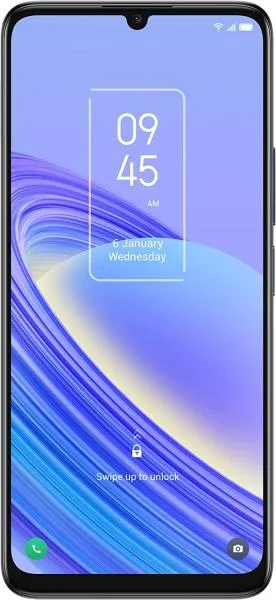
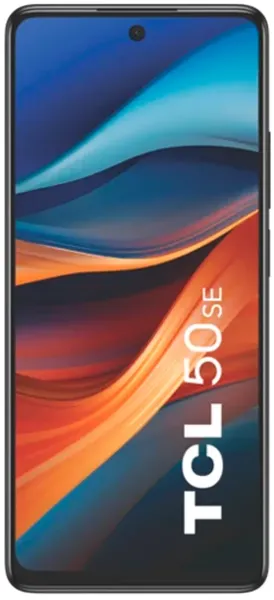
1. Specifications Comparison
| Feature | TCL 40 SE | TCL 50 SE | Practical Impact |
|---|---|---|---|
| Design | |||
| Dimensions (mm) | 167.9 x 76.5 x 8.5 | 168.2 x 75.5 x 8.1 | TCL 50 SE is slightly shorter and thinner. Negligible difference in real-world usage. |
| Weight (g) | 190 | 195 | TCL 50 SE is slightly heavier, but the difference is minimal. |
| Display | |||
| Size (inches) | 6.75 | 6.78 | Negligible difference in screen real estate. |
| Resolution (pixels) | 720 x 1600 | 1080 x 2460 | TCL 50 SE has a significantly sharper display (396 ppi vs 260 ppi), resulting in clearer text and images. |
| Refresh Rate (Hz) | 90 | 90 | Both offer smooth scrolling and animations. |
| Display Type | IPS LCD | IPS LCD | Both use IPS LCD technology, offering good color reproduction and viewing angles. However, data is missing regarding color depth and HDR capabilities for both phones, limiting a full comparison. |
| Performance | |||
| Chipset | Mediatek Helio G37 | Mediatek Helio G88 | TCL 50 SE has a more powerful processor, leading to better performance in demanding tasks and multitasking. |
| CPU | Octa-core (4x2.3 GHz Cortex-A53 & 4x1.8 GHz Cortex-A53) | Octa-core (2x2.0 GHz Cortex-A75 & 6x1.8 GHz Cortex-A55) | The Cortex-A75 cores in the TCL 50 SE offer significant performance improvements over the Cortex-A53 cores in the TCL 40 SE. |
| GPU | PowerVR GE8320 | Mali-G52 MC2 | TCL 50 SE boasts a superior GPU, resulting in smoother gaming and faster graphics rendering. |
| RAM (GB) | 4 | 4 | Both have the same RAM, which might be limiting for multitasking on both devices. Information regarding available RAM configurations for both models is incomplete, hindering a thorough comparison. |
| Camera | |||
| Rear Camera | 50MP + 2MP + 2MP | 50MP + 2MP | TCL 40 SE has a triple camera setup with a dedicated depth sensor, while the TCL 50 SE has a dual camera. Practical difference in image quality, especially portrait mode, is unclear without sample images. |
| Front Camera | 8MP | 8MP | Similar front camera resolution; however, sensor details and image quality comparisons are not possible without further data. |
| Video Recording | 1080p@30fps | 1080p@30fps | Both offer basic video recording capabilities. |
| Battery | |||
| Capacity (mAh) | 5010 | 5010 | Both have large batteries, likely providing all-day battery life. |
| Fast Charging | 18W | 33W | TCL 50 SE supports significantly faster charging, reducing downtime. |
2. Key Differences Analysis
TCL 40 SE Advantages:
- Potentially Better Portrait Photos: The dedicated depth sensor might provide better background blur in portrait mode. This is speculative without image samples.
- Lower Price: Positioned in a lower price range, offering budget-conscious buyers an affordable option.
TCL 50 SE Advantages:
- Significantly Better Performance: The Helio G88 chipset and superior GPU provide a noticeably smoother and faster user experience.
- Sharper Display: The higher resolution display offers a much clearer and more detailed viewing experience.
- Faster Charging: 33W fast charging significantly reduces charging time compared to the 18W charging of the 40 SE.
3. User Profiles & Recommendations
TCL 40 SE: Ideal for budget-conscious users who prioritize basic communication, social media, and light web browsing. Not recommended for demanding tasks or gaming.
TCL 50 SE: Suitable for users who want a good balance of performance, display quality, and battery life. Good for moderate gaming, multitasking, and media consumption.
4. Decision Framework
Key Questions for Buyers:
- What is your budget? The TCL 40 SE is significantly cheaper.
- What are your primary phone usage patterns? For basic usage, the 40 SE might suffice. For demanding tasks and media consumption, the 50 SE is better.
- How important is display quality and performance? The 50 SE offers a significant upgrade in both areas.
Scenario-Based Recommendations:
- Tight budget and basic usage: TCL 40 SE
- Moderate budget and need for good performance and display: TCL 50 SE
My Choice: TCL 50 SE
While the TCL 40 SE offers a budget-friendly option, the TCL 50 SE provides a significantly better overall user experience due to its superior performance, sharper display, and faster charging. The price difference is justifiable considering these substantial improvements. The sharper display alone makes a huge difference in daily usage, and the improved performance ensures smoother operation for various tasks. The faster charging is a welcome addition for minimizing downtime. While the camera comparison is inconclusive due to missing information, the core advantages of the 50 SE make it a clear winner for me.
