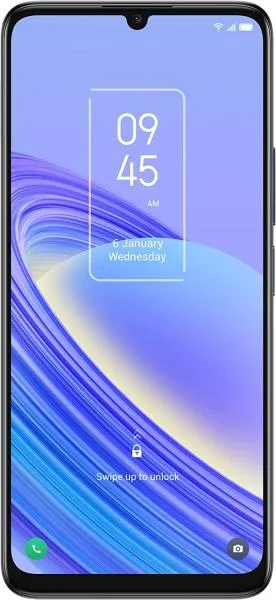
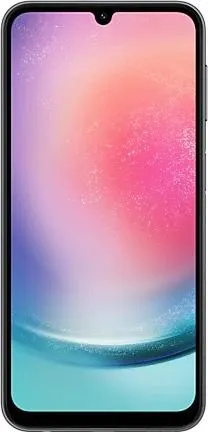
1. Specifications Comparison
| Feature | TCL 40 SE | Samsung Galaxy A24 4G | Practical Impact |
|---|---|---|---|
| Design | |||
| Dimensions (mm) | 167.9 x 76.5 x 8.5 | 162.1 x 77.6 x 8.3 | A24 slightly shorter and narrower, negligible difference in thickness. |
| Weight (g) | 190 | 195 | Negligible weight difference. |
| Display | |||
| Display Type | IPS LCD | Super AMOLED | AMOLED offers richer colors, deeper blacks, and better power efficiency. |
| Size (inches) | 6.75 | 6.5 | TCL 40 SE has a larger screen, better for media consumption. |
| Resolution | 720 x 1600 | 1080 x 2340 | A24 significantly sharper and more detailed display. |
| Refresh Rate | 90Hz | 90Hz | Both offer smooth scrolling and animations. |
| Peak Brightness (nits) | 450 (typ), 900 (peak) | 1000 | A24 significantly brighter, improving outdoor visibility. |
| Performance | |||
| Chipset | Mediatek Helio G37 (12nm) | Mediatek Helio G99 (6nm) | G99 significantly more powerful and efficient due to smaller node size. Impacts gaming, multitasking, and battery life. |
| CPU | Octa-core (4x2.3 GHz Cortex-A53 & 4x1.8 GHz Cortex-A53) | Octa-core (2x2.2 GHz Cortex-A76 & 6x2.0 GHz Cortex-A55) | A24 utilizes faster and more modern CPU cores, resulting in noticeably better performance. |
| GPU | PowerVR GE8320 | Mali-G57 MC2 | A24 has a more capable GPU, beneficial for gaming and graphics-intensive tasks. |
| RAM | 4/6GB | 4/6/8GB | More RAM options available for A24, allowing for better multitasking. |
| Camera | |||
| Main Camera | 50MP | 50MP | Similar megapixel count, but image quality likely differs due to sensor and processing differences (not provided). |
| Ultrawide | No | 5MP | A24 offers ultrawide photography, expanding creative possibilities. |
| Selfie Camera | 8MP | 13MP | A24 has a higher resolution selfie camera. |
| Video Recording | 1080p@30fps | 1080p@30fps with EIS | A24 features Electronic Image Stabilization (EIS) for smoother video footage. |
| Battery | |||
| Capacity | 5010mAh | 5000mAh | Negligible difference in battery capacity. |
| Fast Charging | 18W | 25W | A24 charges faster. |
2. Key Differences Analysis
Samsung Galaxy A24 4G Advantages:
- Significantly better performance: The Helio G99 chipset, faster CPU cores, and more powerful GPU provide a smoother and more responsive user experience.
- Sharper and brighter display: The AMOLED display with Full HD+ resolution and higher peak brightness delivers superior visuals.
- More versatile camera system: Inclusion of an ultrawide lens and EIS for video recording.
- Faster charging: 25W fast charging reduces downtime.
TCL 40 SE Advantages:
- Larger display: Better for media consumption, but at the cost of lower resolution.
- Potentially Lower Price: Belongs to a lower price range, offering budget-conscious buyers an option.
3. User Profiles & Recommendations
TCL 40 SE: Budget-conscious users prioritizing a large display for basic tasks like browsing, social media, and video streaming. Not recommended for demanding tasks or gaming.
Samsung Galaxy A24 4G: Users who value a balanced experience with good performance, a vibrant display, a versatile camera, and decent battery life. Suitable for moderate gaming, multitasking, and content creation. Good for users who prioritize image quality and brighter displays.
4. Decision Framework
Key Questions for Buyers:
- What is your budget? The TCL 40 SE is significantly cheaper.
- What are your primary use cases? Gaming and multitasking favor the A24; basic tasks and media consumption might suffice with the TCL 40 SE (on a larger, but less sharp display).
- How important is display quality and performance? The A24 excels in both areas.
My Choice: Samsung Galaxy A24 4G
While the TCL 40 SE offers a larger display and lower price, the Samsung Galaxy A24 4G provides a significantly better overall experience. The superior performance, sharper and brighter AMOLED display, more versatile camera system, and faster charging outweigh the TCL 40 SE's advantages for me. The price difference is justified by the noticeable improvements in crucial areas like performance and display, which significantly impact daily usage. A smoother, faster phone with a better screen is worth the extra cost in the long run.
