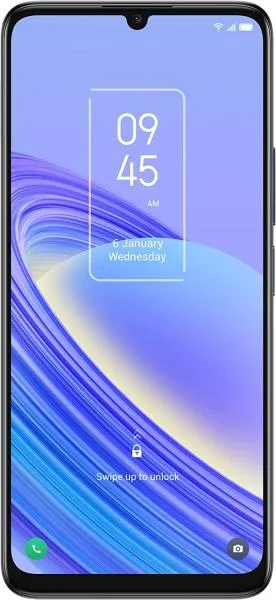
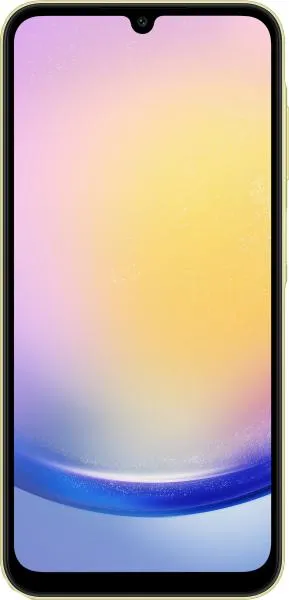
1. Specifications Comparison
| Feature | TCL 40 SE | Samsung Galaxy A15 | Practical Impact |
|---|---|---|---|
| Design | |||
| Dimensions (mm) | 167.9 x 76.5 x 8.5 | 160.1 x 76.8 x 8.4 | Galaxy A15 is slightly smaller and may be easier to handle. |
| Weight (g) | 190 | 200 | Negligible weight difference in real-world usage. |
| Display | |||
| Size (inches) | 6.75 | 6.5 | TCL 40 SE offers a larger screen for media consumption. |
| Resolution (px) | 720 x 1600 | 1080 x 2340 | Galaxy A15 has a significantly sharper and more detailed display. |
| Display Type | IPS LCD, 90Hz | Super AMOLED, 90Hz | Galaxy A15's AMOLED provides better contrast, deeper blacks, and potentially better power efficiency. 90Hz ensures smooth scrolling on both. |
| PPI | 260 | 396 | Noticeably higher pixel density on the Galaxy A15 results in sharper text and images. |
| Performance | |||
| Chipset | Mediatek Helio G37 (12 nm) | Mediatek Helio G99 (6 nm) | Galaxy A15's 6nm chipset offers significantly better performance and power efficiency. |
| CPU | Octa-core (4x2.3 GHz A53 & 4x1.8 GHz A53) | Octa-core (2x2.2 GHz A76 & 6x2.0 GHz A55) | A15's CPU architecture is more modern and powerful, resulting in smoother multitasking and faster app loading. |
| GPU | PowerVR GE8320 | Mali-G57 MC2 | Galaxy A15's GPU provides better gaming performance. |
| RAM | 4GB | 4GB/6GB/8GB | More RAM options available for the Galaxy A15, enabling better multitasking. |
| OS | Android 13 | Android 14 with updates to 17 | A15 has a newer OS with longer software support, ensuring security updates and new features for a longer period. |
| Camera | |||
| Rear Camera | 50MP + 2MP + 2MP | 50MP + 5MP + 2MP | Both have similar primary cameras but A15 offers a wider angle secondary lens versus a depth sensor on the TCL, offering more versatility |
| Selfie Camera | 8MP | 13MP | A15 has a higher resolution selfie camera. |
| Video | 1080p@30fps | 1080p@30fps | Similar video recording capabilities. Some specs missing for slow-motion capabilities |
| Battery | |||
| Capacity (mAh) | 5010 | 5000 | Negligible difference in battery capacity. |
| Fast Charging | 18W | 25W | A15 offers faster charging. |
2. Key Differences Analysis
TCL 40 SE Advantages:
- Larger Display: Better for media consumption.
- Lower Price: Significant cost savings.
Samsung Galaxy A15 Advantages:
- Significantly Better Performance: Smoother multitasking, faster app loading, better gaming.
- Sharper Display: More detailed and vibrant visuals.
- Longer Software Support: More future-proof with security and feature updates.
- Faster Charging: Less downtime.
- More RAM Options: Better for demanding users.
- 5G Connectivity: Faster data speeds in areas with 5G coverage. Major advantage
Trade-offs:
- TCL 40 SE: Sacrifices performance, display quality, and software support for a lower price.
- Samsung Galaxy A15: Higher price for better overall experience.
3. User Profiles & Recommendations
TCL 40 SE: Budget-conscious users who prioritize a large screen for basic tasks like browsing, social media, and video streaming. Not recommended for gamers or power users.
Samsung Galaxy A15: Users who want a well-rounded phone with good performance, a sharp display, long software updates, and don't mind paying a bit more. Suitable for most users, including light gamers and those who multitask frequently.
4. Decision Framework
Key Questions for Buyers:
- What is your budget? The TCL 40 SE is significantly cheaper.
- What are your primary phone usage patterns? Basic tasks vs. demanding applications and gaming.
- How important is long-term software support? The A15 will receive updates for much longer.
Scenario-Based Recommendations:
- Tight Budget, Basic Usage: TCL 40 SE
- Balanced Performance and Price: Samsung Galaxy A15
- Performance and Longevity are Key: Samsung Galaxy A15
My Choice: Samsung Galaxy A15
While the TCL 40 SE offers a larger display at a lower price, the Samsung Galaxy A15 provides a significantly better overall user experience. The performance difference is substantial due to the more advanced processor and the availability of higher RAM configurations. The sharper AMOLED display, longer software support, faster charging, and 5G connectivity are also compelling advantages. For the long-term value and day-to-day usability, the Galaxy A15 is the clear winner, justifying the higher price. The superior performance, future-proof software, and sharper AMOLED display are worth the investment for a smoother and more enjoyable user experience in the long run.
