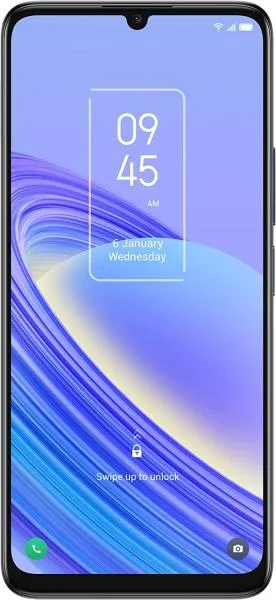
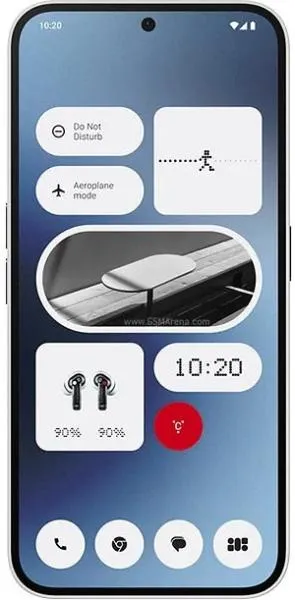
1. Specifications Comparison
| Feature | TCL 40 SE | Nothing Phone (2a) | Practical Impact |
|---|---|---|---|
| Design | |||
| Dimensions (mm) | 167.9 x 76.5 x 8.5 | 161.7 x 76.3 x 8.6 | Nothing Phone (2a) is slightly shorter and narrower. Negligible difference in thickness. |
| Weight (g) | 190 | 190 | Same weight. |
| Display | |||
| Display Type | IPS LCD | AMOLED | AMOLED offers significantly better contrast, deeper blacks, and potentially brighter colors. |
| Display Size (inches) | 6.75 | 6.7 | Negligible difference in size. |
| Resolution | 720 x 1600 | 1080 x 2412 | Much sharper and more detailed visuals on the Nothing Phone (2a). |
| Refresh Rate (Hz) | 90 | 120 | Smoother animations and scrolling on the Nothing Phone (2a). |
| PPI | 260 | 394 | Noticeably higher pixel density on the Nothing Phone (2a), resulting in sharper text and images. |
| Performance | |||
| Chipset | Mediatek Helio G37 (12 nm) | Mediatek Dimensity 7200 Pro (4 nm) | Significantly faster and more power-efficient performance on the Nothing Phone (2a) due to a more advanced chipset built on a smaller process node. |
| CPU | Octa-core (4x2.3 GHz Cortex-A53 & 4x1.8 GHz Cortex-A53) | Octa-core (2x2.8 GHz Cortex-A715 & 6x 2.0 Cortex-A510) | Nothing Phone (2a) has a more powerful CPU architecture, enabling faster processing and multitasking. |
| GPU | PowerVR GE8320 | Mali-G610 MC4 | Much more capable GPU in the Nothing Phone (2a), leading to smoother gaming and graphics performance. |
| RAM | 4GB | 8GB/12GB | More RAM in the Nothing Phone (2a) allows for better multitasking and app switching without performance slowdowns. |
| Camera | |||
| Rear Camera | 50MP Main, 2MP Depth, 2MP Macro | 50MP Main (Samsung GN9), 50MP Wide Angle + Macro | Both have a 50MP main sensor, but the Nothing Phone (2a) utilizes a higher quality sensor (Samsung GN9) and offers a more versatile ultra-wide lens instead of dedicated depth and macro sensors. |
| Front Camera | 8MP | 32MP | Significantly better selfie camera resolution on the Nothing Phone (2a). |
| Video Recording | 1080p@30fps | 4K@30fps with EIS, 1080p@120fps with EIS | Nothing Phone (2a) offers higher resolution video recording and Electronic Image Stabilization (EIS) for smoother footage. |
| Battery | |||
| Capacity (mAh) | 5010 | 5000 | Negligible difference in battery capacity. |
| Fast Charging | 18W | 45W | Significantly faster charging on the Nothing Phone (2a). |
2. Key Differences Analysis
TCL 40 SE Advantages:
- Lower Price: Significantly more affordable.
Nothing Phone (2a) Advantages:
- Superior Performance: Faster processor, more RAM, better GPU translate to a smoother and more responsive user experience.
- Higher Quality Display: AMOLED screen provides richer colors, deeper blacks, and a higher refresh rate.
- Better Camera System: Higher quality sensors, wider range of shooting modes (including 4K video), and optical image stabilization.
- Faster Charging: 45W fast charging significantly reduces downtime.
Trade-offs:
- Price: The Nothing Phone (2a) comes at a significantly higher price.
3. User Profiles & Recommendations
TCL 40 SE: Ideal for budget-conscious users who prioritize basic functionality: calling, texting, web browsing, and light social media usage. Not recommended for demanding tasks like gaming or photography.
Nothing Phone (2a): Suitable for users who demand a premium experience with smooth performance, a vibrant display, a capable camera system, and fast charging. Ideal for power users, gamers, and photography enthusiasts.
4. Decision Framework
Key Questions for Buyers:
- What is your budget?
- What are your primary smartphone usage patterns?
- How important are features like display quality, camera performance, and processing power?
Scenario-Based Recommendations:
- Limited Budget, Basic Usage: TCL 40 SE
- Moderate Budget, Balanced Usage: Consider other mid-range options that offer a better balance of price and performance.
- Demanding User, Premium Experience: Nothing Phone (2a)
My Choice: Nothing Phone (2a)
While the TCL 40 SE offers a very affordable entry point into the smartphone market, the Nothing Phone (2a) presents a significantly superior overall package. The vastly improved performance, higher quality display, more versatile camera system, and faster charging make it a much more compelling device. Even though the price is higher, the long-term benefits of a smoother, more capable phone outweigh the initial cost difference for me. I prioritize a fluid user experience, a good display for media consumption, and a capable camera, making the Nothing Phone (2a) the clear winner.
