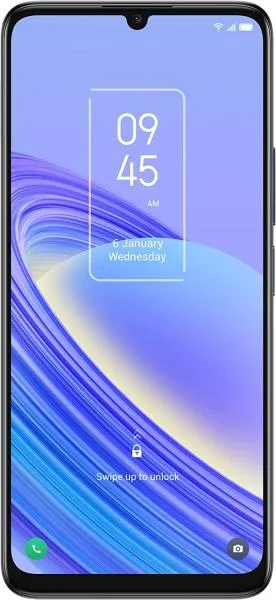
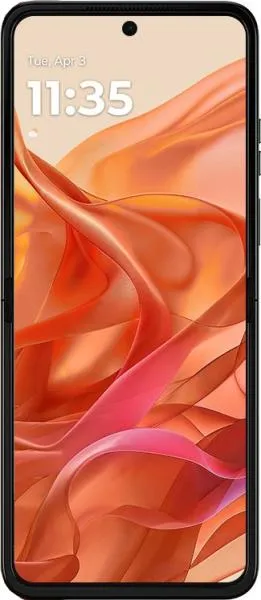
1. Specifications Comparison
| Feature | TCL 40 SE | Motorola Razr 50 | Practical Impact |
|---|---|---|---|
| Design | |||
| Dimensions (mm) | 167.9 x 76.5 x 8.5 | 171.3 x 74 x 7.3 | Razr 50 is slightly taller and narrower when unfolded, significantly more compact when folded due to its foldable design. |
| Weight (g) | 190 | 188.4 | Negligible weight difference. |
| Foldable | No | Yes | Razr 50 offers portability and a unique form factor. |
| Display | |||
| Size (inches) | 6.75 | 6.9 | Razr 50 has a slightly larger screen. |
| Resolution (px) | 720 x 1600 | 1080 x 2640 | Razr 50 offers significantly sharper visuals due to higher resolution. |
| Type | IPS LCD, 90Hz | Foldable LTPO AMOLED, 120Hz | Razr 50's AMOLED provides superior contrast, deeper blacks, and brighter colors. 120Hz refresh rate results in smoother animations. |
| PPI | 260 | 413 | Razr 50's display is much sharper and more detailed. |
| Performance | |||
| Chipset | Mediatek Helio G37 | Mediatek Dimensity 7300X | Razr 50 boasts a significantly more powerful processor, leading to much faster performance in demanding tasks and games. |
| CPU | Octa-core (4x2.3 GHz Cortex-A53 & 4x1.8 GHz Cortex-A53) | Octa-core (4x2.5 GHz Cortex-A78 & 4x2.0 GHz Cortex-A55) | Razr 50 has newer and faster CPU cores, resulting in a significant performance advantage. |
| GPU | PowerVR GE8320 | Mali-G615 MC2 | Razr 50 has a more capable GPU, offering better gaming performance. |
| RAM | 4GB | 8/12GB | Razr 50 offers more RAM, enabling better multitasking and smoother performance. |
| Camera | |||
| Main Camera | 50MP | 50MP | Comparable resolution, but image quality likely differs due to sensor and processing differences (not fully specified). |
| Selfie Camera | 8MP | 32MP | Razr 50 has a significantly higher resolution selfie camera. |
| Video | 1080p@30fps | 4K@30fps | Razr 50 offers higher resolution video recording. |
| Battery | |||
| Capacity (mAh) | 5010 | 4200 | TCL 40 SE has a larger battery capacity, potentially offering longer battery life. |
| Fast Charging | 18W | 30W | Razr 50 supports faster charging. |
2. Key Differences Analysis
TCL 40 SE Advantages:
- Larger Battery: Potentially longer battery life.
- Lower Price: Significantly more affordable.
Motorola Razr 50 Advantages:
- Significantly More Powerful: Much faster performance for demanding tasks and gaming.
- Higher Quality Display: Sharper, brighter, and more vibrant visuals with a smoother refresh rate.
- Foldable Design: Increased portability and unique form factor.
- Better Cameras: Higher resolution selfie camera and 4K video recording.
- Faster Charging: Less downtime.
Trade-offs:
- Razr 50: Smaller battery capacity despite higher power consumption due to the more powerful processor and high refresh rate display. Higher price.
- TCL 40 SE: Lower performance, less impressive display, and lower resolution cameras.
3. User Profiles & Recommendations
TCL 40 SE: Budget-conscious users who prioritize basic functionality, long battery life, and affordability over high performance and premium features. Ideal for:
- Casual users primarily focused on calling, texting, and social media.
- Users seeking a large screen for media consumption on a budget.
Motorola Razr 50: Users who value cutting-edge technology, high performance, a premium display, and portability. Ideal for:
- Power users who demand fast performance for multitasking and gaming.
- Users who prioritize a compact and stylish device.
- Content creators who need a high-quality camera and video recording capabilities.
4. Decision Framework
Key Questions:
- What is your budget? The Razr 50 is significantly more expensive.
- What are your primary smartphone usage patterns? Basic tasks vs. demanding applications and gaming.
- Do you prioritize portability and a unique design? The Razr 50's foldable design is a key differentiator.
Scenario-Based Recommendations:
- Limited Budget, Basic Usage: TCL 40 SE
- Demanding User, High Budget: Motorola Razr 50
- Portability Focused, Moderate Budget: Consider the Razr 50 if the foldable design is a high priority.
My Choice: Motorola Razr 50
While the TCL 40 SE offers excellent value for its price, the Motorola Razr 50 is the superior device overall. Its significantly faster performance, stunning display, and unique foldable design make it a more compelling choice for my needs. I prioritize a smooth and responsive user experience, and the Razr 50 delivers in this regard. While the battery life might be a concern, the faster charging speeds mitigate this somewhat. The higher price is justified by the significant upgrade in features and performance. The foldable design, while potentially fragile, adds a unique element of portability and style that appeals to me.
