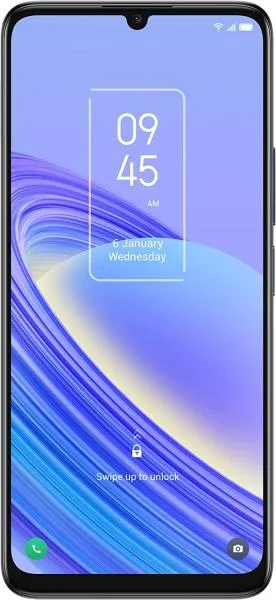
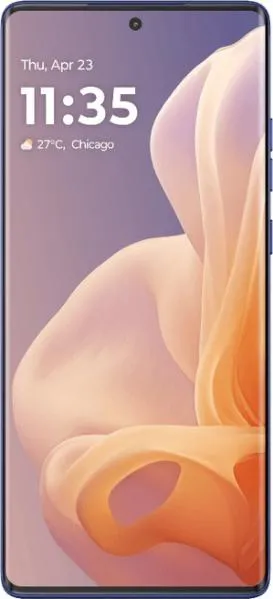
1. Specifications Comparison
| Feature | TCL 40 SE | Motorola Moto G85 | Practical Impact |
|---|---|---|---|
| Design | |||
| Dimensions (mm) | 167.9 x 76.5 x 8.5 | 161.9 x 73.1 x 7.6 | Moto G85 is slightly smaller and thinner, making it potentially more pocketable. |
| Weight (g) | 190 | 171 | Moto G85 is noticeably lighter, improving one-handed use and reducing fatigue. |
| Display | |||
| Display Type | IPS LCD | P-OLED | Moto G85's OLED offers deeper blacks, higher contrast, and potentially better power efficiency. TCL 40 SE's IPS LCD might offer better color accuracy in bright sunlight. |
| Display Size (inches) | 6.75 | 6.67 | Negligible size difference. |
| Resolution | 720 x 1600 | 1080 x 2400 | Moto G85 has a significantly sharper display, resulting in clearer text and images. |
| Refresh Rate (Hz) | 90 | 120 | Moto G85's higher refresh rate provides smoother scrolling and animations. |
| Peak Brightness (nits) | 450 (typ), 900 (peak) | 1600 | Moto G85's display is significantly brighter, ensuring better visibility outdoors. |
| Performance | |||
| Chipset | Mediatek Helio G37 (12 nm) | Qualcomm Snapdragon 6s Gen 3 (6 nm) | Moto G85's more modern and efficient chipset will deliver significantly better performance and battery life. |
| CPU | Octa-core (4x2.3 GHz Cortex-A53 & 4x1.8 GHz Cortex-A53) | Octa-core (2x2.3 GHz Cortex-A78 & 6x2.0 GHz Cortex-A55) | Moto G85 utilizes more powerful Cortex-A78 cores, offering a substantial performance advantage in demanding tasks. |
| GPU | PowerVR GE8320 | Adreno 619 | Moto G85 has a more powerful GPU, resulting in smoother gaming and faster graphics rendering. |
| RAM | 4/6 GB | 8/12 GB | Moto G85 offers more RAM, enabling better multitasking and smoother performance with multiple apps. |
| Camera | |||
| Main Camera (MP) | 50 | 50 | Resolution is similar, but sensor quality and processing will likely differ. Moto G85 has OIS for steadier shots. |
| Other Cameras | 2MP Depth, 2MP Macro, 8MP Selfie | 8MP Ultrawide, 32MP Selfie | Moto G85 offers a more versatile camera setup with an ultrawide lens and a higher resolution selfie camera. |
| Video Recording | 1080p@30fps | 1080p@30/60fps | Moto G85 can record at 60fps, resulting in smoother video. |
| Battery | |||
| Capacity (mAh) | 5010 | 5000 | Negligible difference in battery capacity. |
| Fast Charging | 18W | 30W | Moto G85 charges significantly faster. |
2. Key Differences Analysis
Motorola Moto G85 Advantages:
- Significantly better performance: The Snapdragon 6s Gen 3, coupled with more RAM, provides a smoother and more responsive experience for demanding tasks and gaming.
- Superior display: The OLED panel offers vibrant colors, deep blacks, and a higher refresh rate for a more enjoyable viewing experience. Higher brightness ensures outdoor visibility.
- Faster charging: 30W fast charging significantly reduces downtime.
- More versatile camera system: The inclusion of an ultrawide lens and a higher-resolution selfie camera expands creative possibilities. OIS allows for sharper images and videos.
TCL 40 SE Advantages:
- Lower price: Positioned in the low price range, it offers a budget-friendly option.
3. User Profiles & Recommendations
TCL 40 SE: Budget-conscious users who prioritize basic communication and light media consumption. Suitable for:
- Casual social media browsing
- Making calls and texting
- Light web browsing
Motorola Moto G85: Users who value performance, a high-quality display, and a versatile camera. Suitable for:
- Mobile gaming
- Media consumption (videos, photos)
- Demanding multitasking
- Photography enthusiasts
4. Decision Framework
Key Questions for Buyers:
- What is your budget? The TCL 40 SE is significantly cheaper.
- What are your primary smartphone uses? For basic tasks, the TCL 40 SE might suffice. For demanding tasks and media consumption, the Moto G85 is superior.
- How important is display quality and performance? The Moto G85 offers a vastly improved visual and performance experience.
My Choice: Motorola Moto G85
While the TCL 40 SE offers an attractive price point, the Motorola Moto G85 is the clear winner for me. The significantly improved performance, superior display (OLED with 120Hz refresh rate), faster charging, and more versatile camera system justify the higher price. The Moto G85 provides a much more enjoyable and future-proof smartphone experience. The performance difference between the Helio G37 and the Snapdragon 6s Gen 3 is substantial, impacting daily usability. The superior display and camera of the G85 enhance media consumption and content creation. While budget is a constraint for many, the overall user experience offered by the Moto G85 makes it a worthwhile investment for most users.
