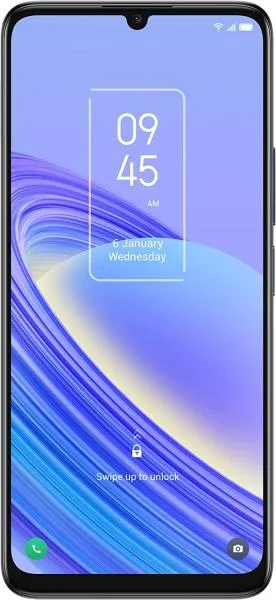
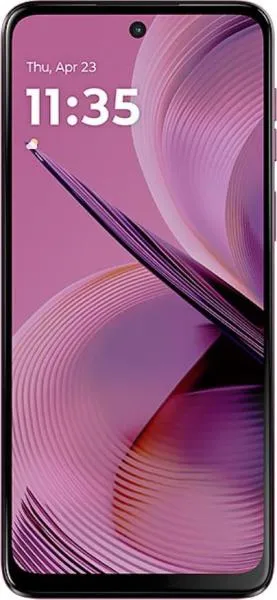
1. Specifications Comparison
| Feature | TCL 40 SE | Motorola Moto G55 | Practical Impact |
|---|---|---|---|
| Design | |||
| Dimensions (mm) | 167.9 x 76.5 x 8.5 | 161.6 x 73.8 x 8.1 | Moto G55 is slightly smaller and more compact, potentially easier to handle. |
| Weight (g) | 190 | 179 | Moto G55 is noticeably lighter, improving one-handed use. |
| Display | |||
| Size (inches) | 6.75 | 6.49 | TCL 40 SE offers a larger screen for media consumption. |
| Resolution (pixels) | 720 x 1600 | 1080 x 2400 | Moto G55 has significantly sharper visuals due to higher resolution and pixel density. |
| Refresh Rate (Hz) | 90 | 120 | Moto G55 provides smoother scrolling and animations with its higher refresh rate. |
| Display Type | IPS LCD | IPS LCD | Both use IPS LCD technology, offering good color reproduction but potentially lacking deep blacks compared to OLED. |
| Performance | |||
| Chipset | Mediatek Helio G37 (12 nm) | Mediatek Dimensity 7025 (6 nm) | Moto G55 boasts a more powerful and efficient processor, leading to better performance and battery life. |
| CPU | Octa-core (4x2.3 GHz Cortex-A53 & 4x1.8 GHz Cortex-A53) | Octa-core (2x2.5 GHz Cortex-A78 & 6x2.0 GHz Cortex-A55) | Moto G55 utilizes more powerful Cortex-A78 cores, resulting in significantly faster processing speeds for demanding tasks. |
| GPU | PowerVR GE8320 | IMG BXM-8-256 | Moto G55 has a more capable GPU, enabling smoother gaming and faster graphics rendering. |
| RAM (GB) | 4 | 8 | Moto G55 offers double the RAM, allowing for better multitasking and smoother performance with multiple apps open. |
| Camera | |||
| Main Camera (MP) | 50 | 50 | Comparable main camera resolution. |
| Additional Cameras | 2MP Depth, 2MP Macro | 8MP Wide Angle | Moto G55 offers a more versatile camera setup with a wider field of view. TCL 40 SE includes a dedicated macro lens, but its usefulness is limited by the low resolution. |
| Video Recording | 1080p@30fps | 1080p@30/60fps | Moto G55 can record at 60fps, resulting in smoother video footage. |
| Battery | |||
| Capacity (mAh) | 5010 | 5000 | Nearly identical battery capacities. |
| Fast Charging | 18W | 30W | Moto G55 supports significantly faster charging. |
2. Key Differences Analysis
Motorola Moto G55 Advantages:
- Significantly better performance: The Dimensity 7025 chipset, more powerful CPU & GPU, and larger RAM provide a much smoother and faster user experience, especially for demanding tasks and gaming.
- Sharper Display: Higher resolution and pixel density result in clearer and more detailed visuals.
- Smoother Display: 120Hz refresh rate provides a noticeable improvement in scrolling and animations.
- Faster Charging: 30W fast charging significantly reduces downtime.
- More Versatile Camera: Wider angle lens enables capturing broader scenes.
TCL 40 SE Advantages:
- Larger Display: Offers more screen real estate for media consumption.
- Slightly Larger Battery: Negligible difference in real-world usage.
Trade-offs:
- TCL 40 SE: Sacrifices performance, display quality, and charging speed for a larger display and lower price.
- Moto G55: Higher price for significantly improved performance, display, and camera versatility.
3. User Profiles & Recommendations
TCL 40 SE: Budget-conscious users who prioritize a large screen for media consumption and basic smartphone functionality. Suitable for casual web browsing, social media, and light gaming.
Moto G55: Users who value a smooth and responsive experience, play demanding games, or require a versatile camera. Ideal for multitasking, photography enthusiasts, and mobile gamers.
4. Decision Framework
Key Questions:
- What is your budget? The Moto G55 is positioned in a higher price bracket.
- What are your primary smartphone uses? Casual use vs. demanding tasks/gaming.
- Which features are most important to you? Display size vs. resolution/refresh rate, performance, camera versatility, charging speed.
Scenario-Based Recommendations:
- Tight Budget, Basic Use: TCL 40 SE
- Balanced Budget, Versatile Use: Moto G55
- Gamer/Power User: Moto G55
My Choice: Motorola Moto G55
While the TCL 40 SE offers a larger display at a lower price, the Moto G55's superior performance, smoother and sharper display, faster charging, and more versatile camera make it the clear winner for me. The difference in chipset, RAM, and refresh rate would result in a significantly better day-to-day user experience. I prioritize a smooth and responsive phone over a slightly larger screen, and the performance improvements offered by the Moto G55 are substantial enough to justify the higher price. The faster charging and more versatile camera system are additional benefits that solidify my choice.
