1. Specifications Comparison
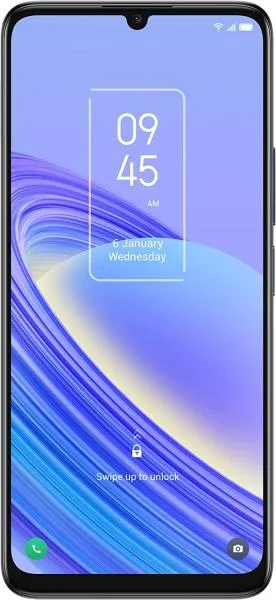
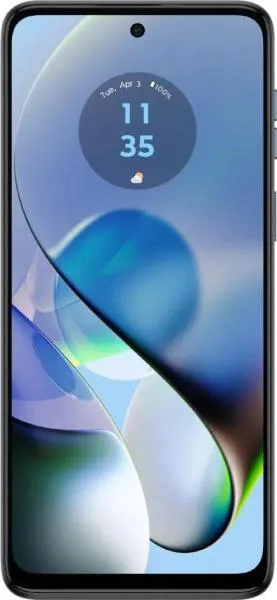
| Feature | TCL 40 SE | Motorola Moto G54 | Practical Impact |
|---|---|---|---|
| Design | |||
| Dimensions (mm) | 167.9 x 76.5 x 8.5 | 161.6 x 73.8 x 8.0 | Moto G54 is slightly smaller and more compact, potentially easier to handle. |
| Weight (g) | 190 | 177 | Moto G54 is noticeably lighter, reducing hand fatigue during extended use. |
| Display | |||
| Size (inches) | 6.75 | 6.5 | TCL 40 SE offers a larger screen for media consumption, but may be less pocketable. |
| Resolution | 720 x 1600 | 1080 x 2400 | Moto G54 has significantly sharper visuals due to higher resolution (HD+ vs FHD+). Text and images will appear clearer and more detailed. |
| Refresh Rate (Hz) | 90 | 120 | Moto G54's higher refresh rate provides smoother animations and scrolling, leading to a more responsive user experience. |
| Panel Type | IPS LCD | IPS LCD | Both use IPS LCD technology. Expect good color reproduction and viewing angles but lower contrast ratios compared to AMOLED. |
| Performance | |||
| Chipset | Mediatek Helio G37 (12nm) | Mediatek Dimensity 7020 (6nm) | Moto G54's Dimensity 7020 is built on a smaller node (6nm vs 12nm), resulting in better power efficiency and performance. |
| CPU | Octa-core (4x2.3 GHz Cortex-A53 & 4x1.8 GHz Cortex-A53) | Octa-core (2x2.2 GHz Cortex-A78 & 6x2.0 GHz Cortex-A55) | Moto G54 uses a more modern CPU architecture with faster performance cores (Cortex-A78), enabling smoother multitasking and demanding applications. |
| GPU | PowerVR GE8320 | IMG BXM-8-256 | Moto G54 likely offers significantly better graphics performance, crucial for gaming and graphically intensive tasks. Specific benchmarks are needed for a definitive comparison. |
| RAM (GB) | 4/6 | 8/12 | Moto G54 offers more RAM, improving multitasking performance and preventing apps from closing in the background. |
| Camera | |||
| Main Camera (MP) | 50 | 50 | Megapixel count is similar, but image quality depends on sensor size, aperture, and processing. More data is needed to compare image quality. |
| Video Recording | 1080p@30fps | 1080p@30/60fps | Moto G54 allows for smoother video recording at 60fps. |
| Optical Image Stabilization | No | Yes | Moto G54's OIS significantly improves video stability and low-light photography. |
| Battery | |||
| Capacity (mAh) | 5010 | 5000 | Battery capacities are nearly identical, expecting similar battery life depending on usage patterns. |
| Fast Charging | 18W | 15W | TCL 40 SE charges slightly faster. |
2. Key Differences Analysis
Motorola Moto G54 Advantages:
- Significantly better performance: The Dimensity 7020 chipset, faster CPU cores, more RAM, and a superior GPU result in a smoother, more responsive user experience for demanding tasks and gaming.
- Sharper Display: Higher resolution and refresh rate contribute to crisper visuals and smoother interactions.
- Superior Camera Features: Optical Image Stabilization (OIS) dramatically improves video stability and low-light photography. Faster video recording capabilities.
TCL 40 SE Advantages:
- Larger Display: Provides more screen real estate for media consumption.
- Slightly Faster Charging: Offers marginally faster charging speeds.
- Lower Price: Positioned in a lower price bracket.
Trade-offs:
- TCL 40 SE: Sacrifices performance, display quality, and camera features for a lower price.
- Moto G54: Costs more but delivers a significant upgrade in performance, display, and camera capabilities.
3. User Profiles & Recommendations
TCL 40 SE: Ideal for budget-conscious users prioritizing basic communication, social media, and light web browsing. Suitable for users who primarily consume media on their phones and prefer a larger screen.
Moto G54: Suitable for users who demand smoother performance for gaming, multitasking, and demanding applications. Better suited for users who value a sharper display, smoother scrolling, and superior camera capabilities.
4. Decision Framework
Key Questions for Buyers:
- What is your budget? The TCL 40 SE is significantly cheaper.
- What are your primary smartphone uses? For basic tasks, the TCL 40 SE suffices. For demanding tasks and gaming, the Moto G54 is necessary.
- How important are display quality and camera features? The Moto G54 significantly outperforms the TCL 40 SE in these areas.
My Choice: Motorola Moto G54
While the TCL 40 SE offers a larger display and lower price, the Moto G54's superior performance, sharper display, and significantly better camera features make it the clear winner for me. The performance difference between the Helio G37 and Dimensity 7020 is substantial, impacting daily usability. The higher resolution and refresh rate of the Moto G54's display provide a much more enjoyable viewing experience. The addition of OIS is a game-changer for video stability and low-light photography. While I acknowledge the price difference, the Moto G54 offers a significantly better overall user experience that justifies the higher cost for most users beyond those on the strictest budgets.
