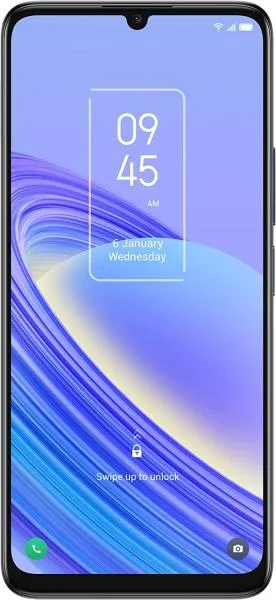
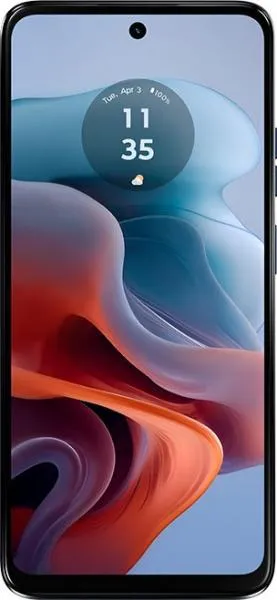
1. Specifications Comparison
| Feature | TCL 40 SE | Motorola Moto G34 | Practical Impact |
|---|---|---|---|
| Design | |||
| Dimensions (mm) | 167.9 x 76.5 x 8.5 | 162.7 x 74.6 x 8.0 | Moto G34 is slightly smaller and lighter, potentially more comfortable for one-handed use. |
| Weight (g) | 190 | 179 | Moto G34 is noticeably lighter, reducing hand fatigue during extended use. |
| Display | |||
| Size (inches) | 6.75 | 6.5 | TCL 40 SE offers a larger screen for more immersive media consumption. |
| Resolution (px) | 720 x 1600 | 720 x 1600 | Same resolution, but Moto G34 has slightly higher pixel density due to smaller screen size. Negligible difference in sharpness. |
| Refresh Rate (Hz) | 90 | 120 | Moto G34's 120Hz refresh rate provides smoother scrolling and animations, leading to a more fluid user experience. |
| Display Type | IPS LCD | IPS LCD | Both use IPS LCD technology, expecting similar color accuracy and viewing angles. |
| Performance | |||
| Chipset | Mediatek Helio G37 (12 nm) | Qualcomm Snapdragon 695 5G (6 nm) | Snapdragon 695 is significantly more powerful and efficient due to smaller node size. Moto G34 will offer better performance and battery life. |
| CPU | Octa-core (4x2.3 GHz Cortex-A53 & 4x1.8 GHz Cortex-A53) | Octa-core (2x2.2 GHz Kryo 660 Gold & 6x1.7 GHz Kryo 660 Silver) | Moto G34's CPU architecture offers superior performance, especially in demanding tasks. |
| GPU | PowerVR GE8320 | Adreno 619 | Adreno 619 is a more capable GPU, resulting in better gaming performance and graphics rendering on the Moto G34. |
| RAM (GB) | 4/6 | 4/8 | Both offer sufficient RAM for basic tasks, but the 8GB option on Moto G34 allows for better multitasking. |
| Camera | |||
| Main Camera (MP) | 50 | 50 | Similar megapixel count, but sensor details are incomplete, making detailed comparison impossible. |
| Selfie Camera (MP) | 8 | 16 | Moto G34 has a significantly higher resolution selfie camera, likely producing better quality self-portraits. |
| Video Recording | 1080p@30fps | 1080p@30fps | Identical video recording capabilities. |
| Battery | |||
| Capacity (mAh) | 5010 | 5000 | Negligible difference in battery capacity. Real-world battery life will depend more on chipset efficiency and software optimization. |
| Fast Charging | 18W | 20W | Moto G34 offers slightly faster charging. |
2. Key Differences Analysis
Motorola Moto G34 Advantages:
- Significantly better performance: The Snapdragon 695 chipset and Adreno 619 GPU provide a substantial performance advantage for demanding tasks and gaming.
- Smoother Display: The 120Hz refresh rate delivers a more fluid and responsive user experience.
- 5G Connectivity: Offers faster data speeds and improved network reliability in areas with 5G coverage.
- Better Selfie Camera: The 16MP selfie camera is likely to produce higher quality self-portraits.
TCL 40 SE Advantages:
- Larger Display: Provides a more immersive experience for media consumption.
- Potentially Lower Price: Positioned in a lower price range, offering better value for budget-conscious buyers.
3. User Profiles & Recommendations
TCL 40 SE: Ideal for budget-conscious users prioritizing a large display for media consumption and basic tasks like browsing and social media. Suitable for casual users who don't require high performance or advanced features.
Motorola Moto G34: Suitable for users who value performance, smooth display, and 5G connectivity. Ideal for gaming, multitasking, and demanding applications. Also a good choice for users who prioritize camera quality, particularly for selfies.
4. Decision Framework
Key Questions for Buyers:
- What is your budget? The TCL 40 SE is a budget-friendly option, while the Moto G34 falls in the mid-range category.
- What are your primary use cases? Media consumption, basic tasks, or demanding applications and gaming?
- How important is 5G connectivity? The Moto G34 offers future-proofing with 5G support.
Scenario-Based Recommendations:
- Limited Budget, Basic Use: TCL 40 SE
- Balanced Performance and Price: Motorola Moto G34
- Gaming and Multitasking Focus: Motorola Moto G34
My Choice: Motorola Moto G34
While the TCL 40 SE offers a larger display at a lower price, the Motorola Moto G34 provides a significantly better overall package. The superior performance of the Snapdragon 695, the smoother 120Hz display, 5G connectivity, and better selfie camera make it a more compelling choice for a wider range of users. The slightly higher price is justified by the substantial improvements in performance, user experience, and future-proofing with 5G. Although specific camera sensor details are missing, the available information suggests the Moto G34 offers a more versatile camera system as well. For me, performance and a smooth user experience are priorities, making the Moto G34 the clear winner.
