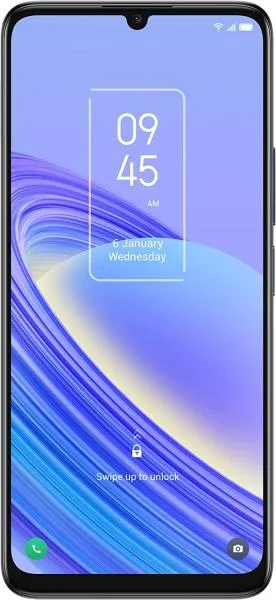
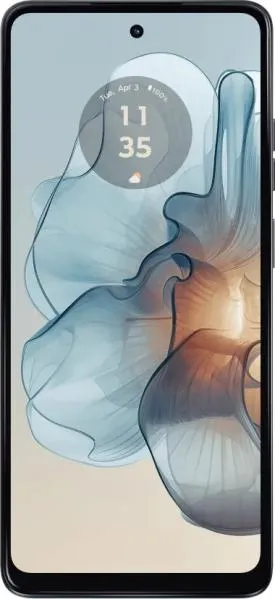
1. Specifications Comparison
| Feature | TCL 40 SE | Motorola Moto G24 Power | Practical Impact |
|---|---|---|---|
| Design | |||
| Dimensions (mm) | 167.9 x 76.5 x 8.5 | 163.5 x 74.5 x 9 | Moto G24 Power is slightly shorter and narrower, potentially improving one-handed usability. |
| Weight (g) | 190 | 197 | Negligible weight difference; both are relatively lightweight. |
| Display | |||
| Size (inches) | 6.75 | 6.56 | TCL 40 SE offers a slightly larger screen for more immersive media consumption. |
| Resolution (pixels) | 720 x 1600 | 720 x 1612 | Virtually identical resolution; both are HD+ but not as sharp as FHD+ displays. |
| Refresh Rate (Hz) | 90 | 90 | Both offer smooth scrolling and animations thanks to the 90Hz refresh rate. |
| Display Type | IPS LCD | IPS LCD | Both use IPS LCD technology, expecting similar color accuracy and viewing angles. TCL 40 SE advertises a typical brightness of 450 nits while the Moto G24 Power advertises a peak brightness of 537 nits. This may indicate better visibility in sunlight for the Moto G24 Power, though typical brightness for the Moto G24 Power is not provided for a complete comparison. |
| Performance | |||
| Chipset | Mediatek Helio G37 | Mediatek Helio G85 | Helio G85 is generally more powerful, resulting in smoother multitasking and potentially better gaming performance. |
| CPU | Octa-core (4x2.3 GHz Cortex-A53 & 4x1.8 GHz Cortex-A53) | Octa-core (2x2.0 GHz Cortex-A75 & 6x1.7 GHz Cortex-A55) | G24 Power's CPU architecture offers a performance advantage with its faster Cortex-A75 cores. |
| GPU | PowerVR GE8320 | Mali-G52 MC2 | Mali-G52 MC2 should provide better graphics performance for gaming. |
| RAM | 4GB (listed in Hardware Details) / 6GB (listed in phonePrices) | 8GB | G24 Power's 8GB RAM enables significantly better multitasking and app switching compared to the 4/6GB in the TCL 40 SE |
| Camera | |||
| Main Camera (MP) | 50 | 50 | Megapixel count is identical, but image quality depends on sensor size, aperture, and processing, which are not fully detailed. Moto G24 lists a slightly wider aperture (f/1.8 vs f/1.85), potentially capturing more light in low-light conditions. |
| Video Recording | 1080p@30fps | 1080p@30fps | Identical video resolution and frame rate. Moto G24 Power boasts 120fps slow-motion, a significant advantage for capturing action shots. |
| Battery | |||
| Capacity (mAh) | 5010 | 6000 | Moto G24 Power's substantially larger battery will likely provide significantly longer usage time. |
2. Key Differences Analysis
Motorola Moto G24 Power Advantages:
- Significantly better performance: The Helio G85 chipset, coupled with 8GB of RAM, provides a noticeable performance advantage for demanding tasks and gaming.
- Longer battery life: The 6000mAh battery significantly outlasts the TCL's 5010mAh battery.
- Potentially Brighter Display: While more information is needed for a comprehensive comparison, the advertised peak brightness of the Moto G24 Power suggests better outdoor visibility.
- Slow-Motion Video: 120fps slow-motion recording is a valuable feature absent in the TCL 40 SE.
TCL 40 SE Advantages:
- Slightly Larger Display: The 6.75-inch screen provides a marginally larger viewing area.
- Lower Price: The TCL 40 SE is generally more affordable.
3. User Profiles & Recommendations
TCL 40 SE: Budget-conscious users prioritizing a large display for media consumption and basic tasks like browsing and social media. Suitable for users who aren't demanding in terms of performance or advanced features.
Motorola Moto G24 Power: Users seeking a balance of performance, long battery life, and essential features. Ideal for moderate gaming, multitasking, and users who heavily rely on their phone throughout the day without frequent charging.
4. Decision Framework
Key Questions for Buyers:
- What is your budget? The TCL 40 SE is significantly cheaper.
- How important is performance and multitasking? The Moto G24 Power significantly outperforms the TCL 40 SE.
- How crucial is battery life? The Moto G24 Power offers much longer battery life.
My Choice: Motorola Moto G24 Power
While the TCL 40 SE is more affordable, the Motorola Moto G24 Power offers a significantly better overall package. The superior performance, substantially longer battery life, and slow-motion video capabilities outweigh the slightly smaller display and higher price. The 8GB of RAM in the Moto G24 Power is a major advantage for future-proofing the device and ensuring smooth performance for longer. For a modest price increase, the Moto G24 Power offers a more enjoyable and frustration-free user experience in the long run.
