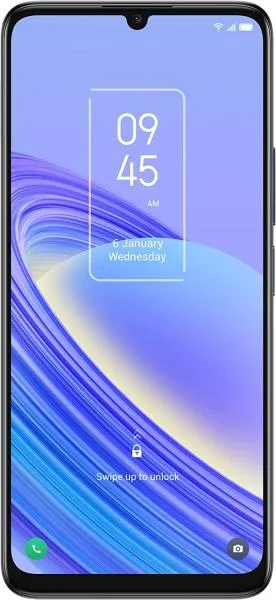
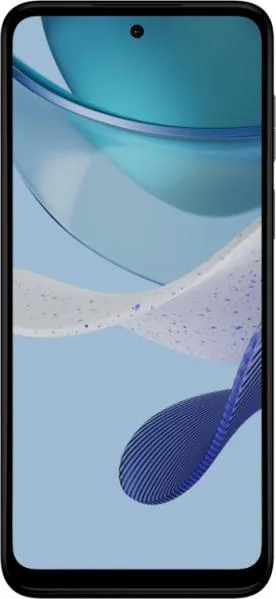
1. Specifications Comparison
| Feature | TCL 40 SE | Motorola Moto G (2023) | Practical Impact |
|---|---|---|---|
| Design | |||
| Dimensions (mm) | 167.9 x 76.5 x 8.5 | 164 x 75 x 8.4 | Moto G is slightly smaller and may feel more comfortable in hand. |
| Weight (g) | 190 | 189 | Negligible weight difference. |
| Build Materials | Not specified | Not specified | Cannot compare build quality. |
| Display | |||
| Size (inches) | 6.75 | 6.5 | TCL 40 SE offers a larger screen for more immersive media consumption. |
| Resolution (pixels) | 720 x 1600 | 720 x 1600 | Same resolution, but Moto G has slightly higher pixel density due to smaller size. |
| Refresh Rate (Hz) | 90 | 120 | Moto G's 120Hz display will feel smoother for scrolling and gaming. |
| Display Type | IPS LCD | IPS LCD | Both use IPS LCD technology, expecting similar color accuracy and viewing angles. |
| Performance | |||
| Chipset | Mediatek Helio G37 (12 nm) | Snapdragon 480+ 5G (8 nm) | Snapdragon 480+ 5G is more powerful and efficient due to smaller node size and better architecture. |
| CPU | Octa-core (4x2.3 GHz Cortex-A53 & 4x1.8 GHz Cortex-A53) | Octa-core (2x2.2 GHz Kryo 460 & 6x1.8 GHz Kryo 460) | Moto G's CPU offers better performance with faster cores based on Kryo 460 architecture. |
| GPU | PowerVR GE8320 | Adreno 619 | Adreno 619 provides significantly better gaming and graphics performance. |
| RAM (GB) | 4 (information from another section) | 4 | Same RAM capacity, but performance may differ due to chipset and software optimization. |
| Camera | |||
| Rear Camera (MP) | 50 + 2 + 2 | 48 + 2 | TCL 40 SE boasts a triple camera setup, but megapixels don't always equate to better image quality; sensor and software processing play a crucial role. Practical image quality comparison is impossible without real-world testing. |
| Front Camera (MP) | 8 | 8 | Same resolution; practical quality depends on sensor and software processing. |
| Video Recording | 1080p@30fps | 1080p@30fps | Both offer similar video recording capabilities. |
| Battery | |||
| Capacity (mAh) | 5010 | 5000 | Virtually identical battery capacities; actual battery life depends on usage and optimization. |
| Other | |||
| NFC | Yes | No | TCL 40 SE supports contactless payments and data transfer via NFC. |
| 5G | No | Yes | Moto G offers faster cellular data speeds and improved network connectivity in 5G areas. |
| Price Range | Low | Medium | Moto G is expected to be more expensive. |
2. Key Differences Analysis
TCL 40 SE Advantages:
- Larger Display: Provides a more immersive experience for media consumption.
- NFC: Enables contactless payments and other NFC functionalities.
- Lower Price: Offers a more budget-friendly option.
Motorola Moto G (2023) Advantages:
- Significantly Better Performance: Snapdragon 480+ 5G and Adreno 619 GPU deliver superior processing and graphics capabilities, resulting in smoother multitasking, faster app loading, and enhanced gaming performance.
- Higher Refresh Rate Display: Smoother scrolling and animations with 120Hz.
- 5G Connectivity: Faster data speeds and improved network reliability in 5G coverage areas.
Trade-offs:
- The Moto G (2023) offers superior performance and 5G, but at a higher price and without NFC.
- The TCL 40 SE provides a larger display and NFC at a lower price, but compromises on performance.
3. User Profiles & Recommendations
TCL 40 SE: Budget-conscious users prioritizing a large display for media consumption and requiring NFC functionality. Suitable for casual users primarily focused on basic tasks like browsing, social media, and light gaming.
Motorola Moto G (2023): Users who value performance and speed for demanding tasks like gaming, multitasking, and media consumption. Benefits users in areas with 5G coverage.
4. Decision Framework
Key Questions for Buyers:
- What is your budget?
- Is 5G connectivity crucial for you?
- Do you need NFC for contactless payments?
Scenario-Based Recommendations:
- Tight budget and need NFC: TCL 40 SE.
- Prioritize performance and future-proofing with 5G: Motorola Moto G (2023).
- Balanced needs and moderate budget: Consider other options or wait for sales to make the Moto G more affordable.
My Choice: Motorola Moto G (2023)
While the TCL 40 SE offers a tempting price and a larger display, the Motorola Moto G (2023)'s superior performance due to the Snapdragon 480+ 5G chipset and 120Hz refresh rate are significant advantages for long-term usability. The smoother user experience, faster app loading, and better gaming capabilities outweigh the benefits of a slightly larger screen and NFC for my personal needs. 5G future-proofs the device for better connectivity in the coming years. While I would miss NFC, I find the performance gains more crucial. I am willing to pay the slightly higher price for a device that will remain smooth and efficient for a longer period.
