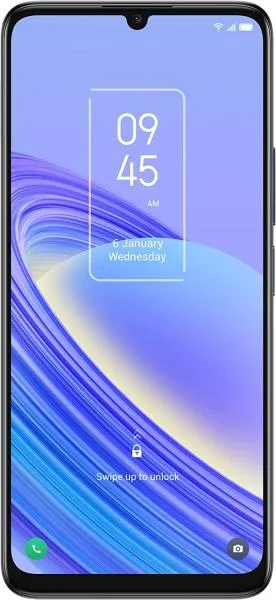
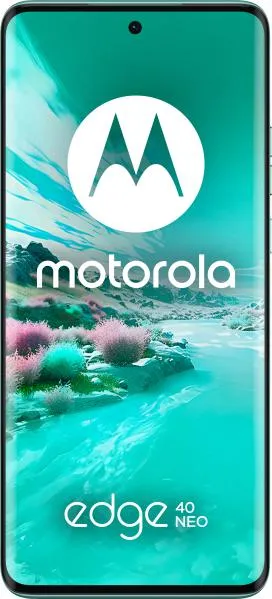
1. Specifications Comparison
| Feature | TCL 40 SE | Motorola Edge 40 Neo | Practical Impact |
|---|---|---|---|
| Design | |||
| Dimensions (mm) | 167.9 x 76.5 x 8.5 | 159.6 x 72 x 7.9 | Edge 40 Neo is noticeably smaller and more pocketable. |
| Weight (g) | 190 | 170 | Edge 40 Neo is lighter and more comfortable for extended use. |
| Build | Unspecified | Unspecified | Build materials impact durability and premium feel; information lacking for both. |
| Display | |||
| Display Type | IPS LCD | P-OLED | P-OLED offers deeper blacks, vibrant colors, and better power efficiency. |
| Size (inches) | 6.75 | 6.55 | TCL 40 SE offers slightly larger screen real estate. |
| Resolution | 720 x 1600 | 1080 x 2400 | Edge 40 Neo has significantly sharper and more detailed visuals. |
| Refresh Rate (Hz) | 90 | 144 | Edge 40 Neo offers smoother scrolling and animations, especially noticeable in gaming and fast-paced content. |
| Peak Brightness (nits) | 450 (typ), 900 (peak) | 1300 | Edge 40 Neo is much brighter, improving outdoor visibility. |
| Performance | |||
| Chipset | Mediatek Helio G37 (12nm) | Mediatek Dimensity 7030 (6nm) | Edge 40 Neo's more modern and efficient chipset provides significantly better performance and power management. |
| CPU | Octa-core (4x2.3 GHz Cortex-A53 & 4x1.8 GHz Cortex-A53) | Octa-core (2x2.5 GHz Cortex-A78 & 6x2.0 GHz Cortex-A55) | Edge 40 Neo has a more powerful CPU architecture, resulting in faster app loading, multitasking, and overall responsiveness. |
| GPU | PowerVR GE8320 | Mali-G610 MC3 | Edge 40 Neo offers considerably better graphics performance for gaming and demanding applications. |
| RAM (GB) | 4/6 | 8/12 | More RAM in Edge 40 Neo allows for smoother multitasking and handling more demanding apps without slowdown. |
| Camera | |||
| Main Camera (MP) | 50 | 50 | Resolution is similar, but sensor and processing differences likely impact image quality. OmniVision sensor details suggest better low-light performance for the Edge 40 Neo. |
| Front Camera (MP) | 8 | 32 | Edge 40 Neo boasts a much higher resolution front camera, leading to significantly better selfie quality. |
| Video Recording | 1080p@30fps | 4K@30fps, 1080p@240fps | Edge 40 Neo provides higher resolution video recording and significantly improved slow-motion capabilities. |
| Battery | |||
| Capacity (mAh) | 5010 | 5000 | Similar battery capacities, but the Edge 40 Neo's more efficient chipset likely translates to better battery life. |
2. Key Differences Analysis
Motorola Edge 40 Neo Advantages:
- Significantly better performance: Dimensity 7030 chipset, more powerful CPU and GPU, and more RAM provide a much smoother and faster user experience.
- Superior display: P-OLED with higher resolution, refresh rate, and brightness delivers a more vibrant and immersive visual experience.
- Enhanced camera capabilities: Higher resolution front camera, 4K video recording, and slow-motion capabilities offer more versatile photography and videography options.
- More compact and lightweight design: Easier to handle and carry.
TCL 40 SE Advantages:
- Slightly larger display: Offers marginally more screen real estate for content consumption.
- Potentially lower price: Positioned in the "low price" range, likely more budget-friendly.
3. User Profiles & Recommendations
TCL 40 SE: Budget-conscious users prioritizing basic communication, web browsing, and media consumption who are not concerned with high performance or advanced camera features.
Motorola Edge 40 Neo: Users seeking a well-rounded smartphone with a strong emphasis on performance, display quality, and camera capabilities. Ideal for gaming, multimedia consumption, and content creation.
4. Decision Framework
Key Questions for Buyers:
- What is your budget? The TCL 40 SE is significantly more affordable.
- What are your primary use cases? For demanding tasks, the Edge 40 Neo is far superior.
- How important are display quality and camera features? The Edge 40 Neo significantly outperforms the TCL 40 SE in these areas.
My Choice: Motorola Edge 40 Neo
While the TCL 40 SE offers a budget-friendly option, the Motorola Edge 40 Neo provides a significantly better overall user experience. The superior performance, display, and camera capabilities make it a much more versatile and future-proof device. The price difference is justifiable considering the substantial improvements across the board. Even if budget is a concern, I would prioritize saving for the Edge 40 Neo for the long-term benefits of a better device. The smoother performance, vibrant display, and better camera would enhance daily usage significantly.
