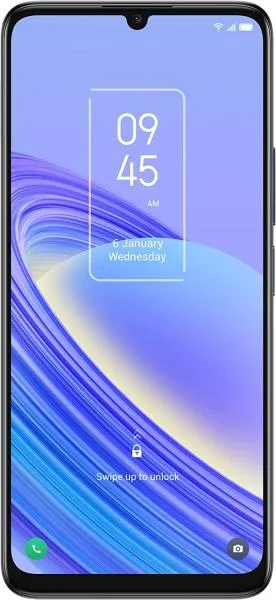
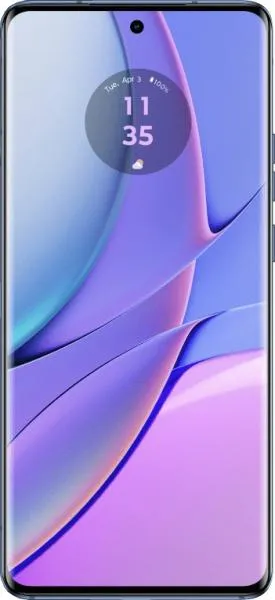
1. Specifications Comparison
| Feature | TCL 40 SE | Motorola Edge 40 | Practical Impact |
|---|---|---|---|
| Design | |||
| Dimensions (mm) | 167.9 x 76.5 x 8.5 | 158.4 x 72 x 7.6 | Motorola Edge 40 is significantly more compact and thinner, making it easier to hold and pocket. |
| Weight (g) | 190 | 167 | Motorola Edge 40 is noticeably lighter, improving one-handed use. |
| Build | Unspecified | Unspecified | Build materials impact durability and premium feel; lacking information limits comparison. |
| Display | |||
| Size (inches) | 6.75 | 6.55 | TCL 40 SE offers a slightly larger screen for media consumption. |
| Resolution | 720 x 1600 | 1080 x 2400 | Motorola Edge 40 has a much sharper display with significantly higher pixel density, resulting in clearer text and images. |
| Panel Type | IPS LCD | P-OLED | Motorola Edge 40's P-OLED offers deeper blacks, more vibrant colors, and better power efficiency. |
| Refresh Rate (Hz) | 90 | 144 | Motorola Edge 40 provides a smoother scrolling and gaming experience with its higher refresh rate. |
| Peak Brightness (nits) | 450 (typ), 900 (peak) | 1200 | Motorola Edge 40's display is much brighter, improving outdoor visibility. |
| Performance | |||
| Chipset | Mediatek Helio G37 (12 nm) | Mediatek Dimensity 8020 (6 nm) | Motorola Edge 40's Dimensity 8020 is significantly more powerful, enabling smoother multitasking, faster app loading, and better gaming performance. The 6nm process also implies better battery efficiency. |
| CPU | Octa-core (4x2.3 GHz Cortex-A53 & 4x1.8 GHz Cortex-A53) | Octa-core (4x2.6 GHz Cortex-A78 & 4x2.0 GHz Cortex-A55) | Motorola Edge 40 has a more modern and powerful CPU architecture. |
| RAM (GB) | 4/6 | 8 | More RAM in the Motorola Edge 40 allows for better multitasking and smoother performance with demanding applications. |
| Camera | |||
| Main Camera (MP) | 50 | 50 | Megapixel count is similar, but sensor quality and other factors impact image quality; detailed comparison is limited by missing sensor specifications for TCL. |
| Aperture (Main) | f/1.85 | f/1.4 | Motorola Edge 40's wider aperture allows for better low-light performance and shallower depth of field. |
| Video Recording | 1080p@30fps | Up to 4K@30fps | Motorola Edge 40 offers higher resolution video recording and more advanced features like HDR and EIS. |
| Battery | |||
| Capacity (mAh) | 5010 | 4400 | TCL 40 SE has a larger battery capacity, potentially offering longer battery life, but the Edge 40's more efficient processor may offset this. |
| Charging Speed | Unspecified | Unspecified | Charging speed significantly impacts usability; lacking this information limits comparison. |
2. Key Differences Analysis
Motorola Edge 40 Advantages:
- Significantly more powerful: The Dimensity 8020 chipset and more RAM deliver a vastly superior performance for demanding tasks and gaming.
- Higher quality display: The P-OLED with 144Hz refresh rate and HDR10+ support offers a smoother, more vibrant, and brighter viewing experience.
- More compact and premium design: Thinner, lighter, and likely using higher quality materials (although unspecified).
- Superior camera features: Wider aperture for better low-light photography, higher resolution video recording with OIS and EIS.
TCL 40 SE Advantages:
- Larger battery: Potentially longer battery life, but this depends on usage and optimization.
- Lower price: Significantly more affordable.
Trade-offs:
- The TCL 40 SE sacrifices performance, display quality, and camera features for a lower price and potentially longer battery life.
- The Motorola Edge 40 prioritizes performance, display, and camera, potentially compromising on battery life compared to the TCL 40 SE, although this is uncertain due to missing charging and efficiency data. It also comes at a significantly higher price.
3. User Profiles & Recommendations
TCL 40 SE: Budget-conscious users who prioritize basic functionality: calling, texting, web browsing, and light media consumption. Ideal for users who are not concerned with high performance or advanced features.
Motorola Edge 40: Users who value a premium experience: smooth performance, vibrant display, good camera quality, and a sleek design. Ideal for gamers, content creators, and those who demand a responsive and visually appealing smartphone.
4. Decision Framework
Key Questions:
- What is your budget? The price difference is significant.
- What are your primary smartphone uses? Basic communication vs. demanding tasks and gaming.
- How important are display quality and camera performance?
Scenario-Based Recommendations:
- Limited budget, basic usage: TCL 40 SE
- Moderate budget, balanced needs: Consider other mid-range options, as the TCL lacks key features and the Motorola is a significant price jump.
- Higher budget, demanding user: Motorola Edge 40
My Choice: Motorola Edge 40
While the TCL 40 SE offers a larger battery and a lower price, the Motorola Edge 40 provides a significantly better overall experience. The superior performance, stunning display, and more advanced camera make it a much more compelling device for my needs. I prioritize a smooth and responsive user experience, and the Edge 40's Dimensity 8020, coupled with the 144Hz P-OLED display, delivers exactly that. The higher price is justified by the substantial upgrade in quality and features. While battery life is a concern, I would rather have a faster, more enjoyable phone that I might need to charge more often than a slower device with slightly longer battery life. The compact form factor is also a significant plus.
