1. Specifications Comparison
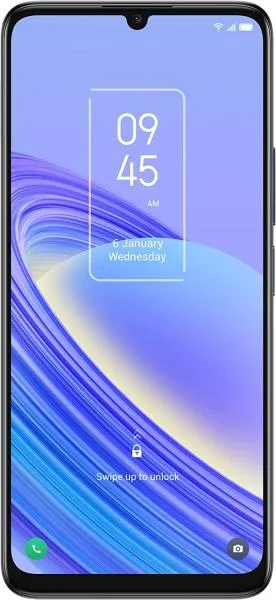
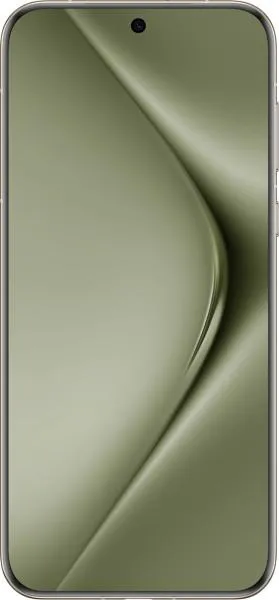
| Feature | TCL 40 SE | Huawei Pura 70 Ultra | Practical Impact |
|---|---|---|---|
| Design | |||
| Dimensions (mm) | 167.9 x 76.5 x 8.5 | 162.6 x 75.1 x 8.4 | Huawei is slightly smaller and potentially easier to handle despite being heavier. |
| Weight (g) | 190 | 226 | TCL is significantly lighter, reducing hand fatigue during extended use. |
| Build Material | Not specified | Not specified | Unable to compare build quality and durability. |
| Display | |||
| Size (inches) | 6.75 | 6.8 | Negligible size difference. |
| Resolution | 720 x 1600 | 1260 x 2844 | Huawei offers a much sharper and more detailed display, enhancing media consumption and overall visual experience. |
| Type | IPS LCD | LTPO OLED | Huawei's OLED provides superior contrast, deeper blacks, and more vibrant colors. LTPO allows for dynamic refresh rate adjustment, saving battery. |
| Refresh Rate | 90Hz | 120Hz | Huawei's higher refresh rate delivers smoother animations and scrolling. |
| Peak Brightness | 450 nits (typ), 900 nits peak | 2500 nits (peak) | Huawei's significantly higher peak brightness ensures excellent outdoor visibility. |
| Performance | |||
| Chipset | Mediatek Helio G37 (12 nm) | Kirin 9010 (7 nm) | Huawei's Kirin 9010 is significantly more powerful, enabling smoother multitasking, faster app loading, and better gaming performance. |
| CPU | Octa-core (4x2.3 GHz Cortex-A53 & 4x1.8 GHz Cortex-A53) | Octa-core (1x2.3 GHz Taishan Big & 3x2.18 GHz Taishan Mid & 4x1.55 GHz Cortex-A510) | Huawei's CPU architecture is more modern and powerful. |
| RAM | 4GB/6GB | 16GB | Huawei offers substantially more RAM, enabling significantly better multitasking and preventing apps from closing in the background. |
| Storage | 128GB/256GB | 512GB/1TB | Huawei provides much larger storage options for users with extensive media libraries or demanding applications. |
| Camera | |||
| Rear Camera | 50MP Main + 2MP Depth + 2MP Macro | 50MP Main (1" sensor) + 40MP Wide + 50MP Telephoto | Huawei boasts a superior camera system with a larger main sensor, a dedicated telephoto lens for optical zoom, and advanced features like variable aperture. |
| Front Camera | 8MP | 13MP | Huawei offers a higher resolution front camera. |
| Battery | |||
| Capacity | 5010 mAh | 5200 mAh | Huawei has a slightly larger battery, but the real-world difference will depend on software optimization and display power consumption. |
| Charging Speed | Not specified | Not specified | Unable to compare charging speeds. |
2. Key Differences Analysis
TCL 40 SE Advantages:
- Lighter Weight: More comfortable for extended use.
- Lower Price: Significantly more affordable.
Huawei Pura 70 Ultra Advantages:
- Superior Performance: Much faster processor, more RAM, resulting in a smoother and more responsive user experience.
- High-Quality Display: Sharper, brighter, and more vibrant OLED display with a 120Hz refresh rate.
- Advanced Camera System: Larger sensor, telephoto lens, and more features for superior photography.
- Larger Storage Options: Accommodates more apps, photos, and videos.
3. User Profiles & Recommendations
TCL 40 SE: Budget-conscious users who prioritize basic communication, web browsing, and light media consumption. Ideal for users who value affordability and portability over top-tier performance and features.
Huawei Pura 70 Ultra: Power users, photographers, videographers, and mobile gamers who demand top-tier performance, a stunning display, and advanced camera capabilities. Suitable for users who prioritize a premium mobile experience and are willing to pay a premium price.
4. Decision Framework
Key Questions for Buyers:
- What is your budget? The TCL 40 SE is a budget-friendly option, while the Huawei Pura 70 Ultra is a premium flagship device.
- What are your primary smartphone usage patterns? For basic tasks, the TCL 40 SE suffices. For demanding tasks like gaming or photography, the Huawei excels.
- How important are display quality and performance? The Huawei significantly outperforms the TCL in these areas.
My Choice:
I would choose the Huawei Pura 70 Ultra. While the price is significantly higher, the substantial improvements in performance, display, camera, and storage justify the premium. The Kirin 9010, coupled with 16GB of RAM, ensures a future-proof device capable of handling demanding tasks with ease. The superior OLED display and advanced camera system greatly enhance the user experience for media consumption and content creation. The TCL 40 SE is a decent budget option, but the compromises in performance and features are too significant for my personal preferences. I prioritize a smooth and responsive user experience, a high-quality display, and a capable camera, making the Huawei Pura 70 Ultra the clear winner for me.
