1. Specifications Comparison
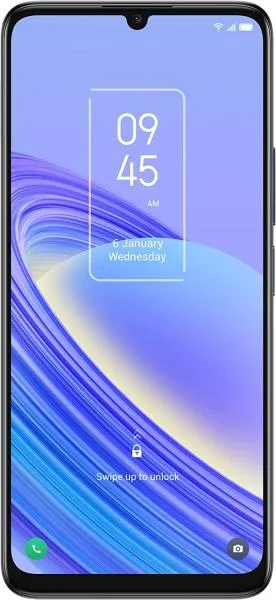
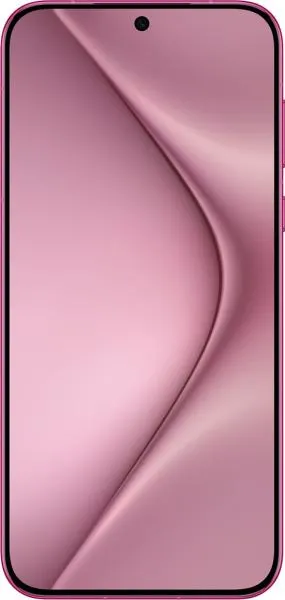
| Feature | TCL 40 SE | Huawei Pura 70 | Practical Impact |
|---|---|---|---|
| Design | |||
| Dimensions (mm) | 167.9 x 76.5 x 8.5 | 157.6 x 74.3 x 8 | Huawei Pura 70 is noticeably smaller and potentially more pocketable. |
| Weight (g) | 190 | 207 | TCL 40 SE is lighter, reducing hand fatigue during extended use. |
| Build Material | Not specified | Not specified | Material affects durability and premium feel; information is lacking for both. |
| Display | |||
| Display Type | IPS LCD, 90Hz | LTPO OLED, 120Hz | Huawei's OLED offers deeper blacks, higher contrast, and potentially better power efficiency due to LTPO. The higher refresh rate provides smoother animations. |
| Size (inches) | 6.75 | 6.6 | Negligible size difference in real-world usage. |
| Resolution | 720 x 1600 | 1256 x 2760 | Huawei boasts significantly sharper visuals due to much higher resolution. |
| PPI | 260 | 460 | Huawei's display is considerably sharper, resulting in clearer text and images. |
| Peak Brightness | 450 nits (typ), 900 nits peak | 2500 nits (peak) | Huawei's display will be far more visible in direct sunlight. |
| Performance | |||
| Chipset | Mediatek Helio G37 (12 nm) | Kirin 9000S1 | Kirin 9000S1 is significantly more powerful, enabling smoother multitasking, faster app loading, and better gaming performance. |
| CPU | Octa-core (4x2.3 GHz Cortex-A53 & 4x1.8 GHz Cortex-A53) | Octa-core | Specific core configuration missing for Huawei, but likely more powerful given the chipset. |
| GPU | PowerVR GE8320 | Maleoon 910(8 core) | Huawei's GPU is significantly more powerful, delivering superior gaming and graphics performance. |
| RAM | 4/6 GB | 12 GB | Huawei offers substantially more RAM, allowing for more apps to run in the background without performance slowdown. |
| Storage | 128/256 GB | 256GB/512GB/1TB | Huawei offers more storage options for users with large media libraries. |
| Camera | |||
| Main Camera | 50 MP | 50 MP | Both have the same resolution but other factors impact image quality. Huawei has a wider aperture (f/1.4 vs f/1.85) allowing for better low light performance and background blur |
| Other Cameras | 2 MP Depth, 2 MP Macro, 8 MP Selfie | 13 MP Wide Angle, 12 MP Telephoto, 13 MP Selfie | Huawei's versatile camera system offers wider perspectives with the ultra-wide lens and optical zoom capabilities with the telephoto lens. |
| Video Recording | 1080p@30fps | Unspecified | Cannot compare video capabilities without Huawei's video specifications. |
| Battery | |||
| Capacity | 5010 mAh | 4900 mAh | TCL has a slightly larger battery, potentially offering longer battery life; however, real-world usage depends on other factors. |
2. Key Differences Analysis
TCL 40 SE Advantages:
- Lower Price: Significantly more affordable.
- Slightly Larger Battery: Potentially longer battery life, but real-world usage may vary.
- Lighter Weight: More comfortable for extended use.
Huawei Pura 70 Advantages:
- Significantly More Powerful: Superior performance for demanding tasks and gaming.
- Higher Quality Display: Sharper, brighter, and more vibrant OLED display with a higher refresh rate.
- More Versatile Camera System: Ultra-wide and telephoto lenses offer greater creative flexibility.
- Faster Charging & Data Transfer: USB 3.1 offers significantly faster speeds than USB 2.0.
- More RAM and Storage: Enables smoother multitasking and accommodates larger data storage needs.
3. User Profiles & Recommendations
TCL 40 SE: Budget-conscious users who prioritize basic communication, social media, and light web browsing. Not suitable for demanding tasks or gaming.
Huawei Pura 70: Users who demand high performance, a premium display, and a versatile camera system. Ideal for power users, gamers, and content creators.
4. Decision Framework
Key Questions:
- What is your budget? TCL 40 SE is a budget option, while Huawei Pura 70 is a premium device.
- What are your primary smartphone usage patterns? Basic tasks vs. demanding applications and gaming.
- How important is display quality and camera versatility? Huawei Pura 70 excels in these areas.
My Choice:
I would choose the Huawei Pura 70. While significantly more expensive, the performance, display, and camera upgrades offer a vastly superior user experience. The Kirin 9000S1 chipset, coupled with 12GB of RAM, ensures smooth performance for any task. The LTPO OLED display with a 120Hz refresh rate provides stunning visuals and a more responsive experience. The versatile camera system, including ultrawide and telephoto lenses, opens up creative possibilities for photography enthusiasts. While the TCL 40 SE offers good value for its price, the compromises in performance and features are too significant for my personal preferences. I prioritize a fluid, responsive, and visually engaging smartphone experience, making the Huawei Pura 70 the clear winner for me.
